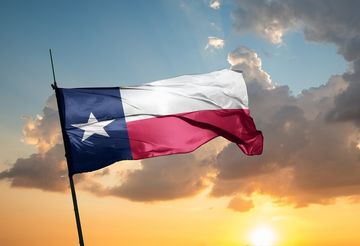
Texas Democrats’ Sweep Puts Utah’s Political Shift in Focus
Texas Democrats captured statewide offices in the November midterms, with James Talarico defeating Ken Paxton for the U.S. Senate and Gina Hinojosa winning the governorship. Democrats also gained 20 state House seats and won every seat up for election on the Texas Supreme Court and Court of Criminal Appeals. Republicans retained control of the state Senate.
The victories followed changes in how Texas Democrats organized. The state party moved its headquarters from Austin to Dallas, opened offices in several other cities and joined allied groups in a $30 million coordinated campaign. The effort brought together the party, Texas Majority PAC and Powered by People, which focused on mobilizing young voters. The groups also shared voter data, campaign resources and volunteer support.
Utah remained firmly Republican in government, but its 2026 House vote totals showed a notable shift. Democratic candidates received 47 percent of the statewide vote, compared with 33 percent in 2024; the Republican share fell from 62 percent to 47 percent. An analysis of surveys found that lower participation among Republicans and Republican-leaning voters accounted for much of the change, alongside more Democratic voting among independents and other less committed voters.
Republicans still won three of Utah’s four U.S. House seats. The analysis also found that Democratic support among active Latter-day Saints rose from 13 percent in 2024 to 28 percent in 2026. Researchers pointed to population growth and migration as factors with possible long-term effects, while cautioning that Utah Democrats have not yet shown they can consistently win statewide races.
Democratic Gains Show Organizing Can Reshape Red States
Texas voters delivered Democrats a sweeping set of victories in the November midterms. James Talarico defeated Ken Paxton for the U.S. Senate, Gina Hinojosa won the governorship, and Democrats flipped 20 state House seats while winning every Texas Supreme Court and Court of Criminal Appeals seat up for election. Republicans held the state Senate.
The results followed a substantial reworking of the state party’s approach. Texas Democrats moved their headquarters from Austin to Dallas, opened offices elsewhere and joined Texas Majority PAC and Powered by People in a $30 million coordinated campaign. The groups shared voter data, resources and volunteers, while Powered by People concentrated on engaging voters aged 18 to 29.
Utah offers another sign of movement, even though Republicans remain firmly in charge there. Democrats won 47 percent of the state’s House vote in 2026, up from 33 percent in 2024. Republicans’ share dropped from 62 percent to 47 percent. The analysis attributed much of the change to lower turnout among Republican-leaning voters, as well as more Democratic voting among independents and less committed voters.
Republicans still won three of Utah’s four House seats, and Democrats have yet to establish a record of consistent statewide wins there. But rising Democratic support, including among active Latter-day Saints, and changes in population and migration show why treating reliably red states as politically fixed misses the stakes of organizing and turnout.
Texas’s Democratic Sweep Doesn’t Make Utah a Battleground
Texas Democrats’ victories were sweeping, but they do not erase the limits of the party’s reach. James Talarico defeated Ken Paxton for the U.S. Senate, Gina Hinojosa won the governorship, and Democrats gained 20 state House seats and every Texas Supreme Court and Court of Criminal Appeals seat up for election. Republicans nevertheless retained the Texas Senate.
The results came after the state party and its allies built a $30 million coordinated campaign, shared voter resources and organized volunteers. The party also moved its headquarters from Austin to Dallas and opened offices in other cities. These were significant organizational changes, but one election does not establish that the same outcome will hold elsewhere.
Utah makes that distinction clear. Democratic candidates won 47 percent of the statewide House vote in 2026, compared with 33 percent in 2024, while the Republican share fell from 62 percent to 47 percent. The analysis found that turnout changes explained most of the Democratic gain; Republicans still won three of the state’s four House seats.
Some independents and less committed voters leaned more Democratic, and Democratic support among active Latter-day Saints increased. But Utah Republicans continue to dominate state government, and Democrats have not shown they can consistently win statewide races. A changed vote share is worth watching, not proof that Utah has become a battleground.
Reported by The Guardian, Newsweek.