Carlson Targets Rubio as 2028 GOP Speculation Grows
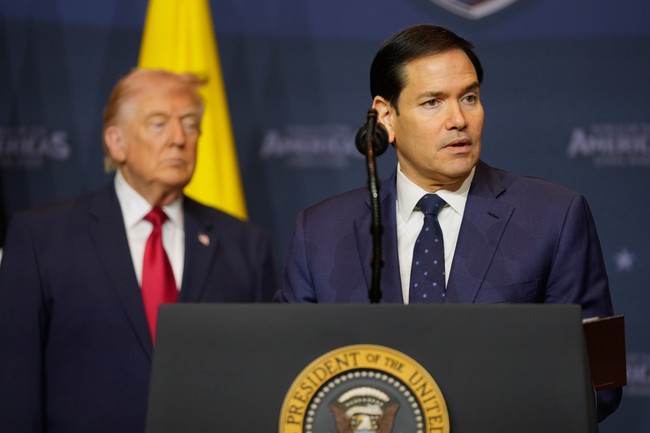
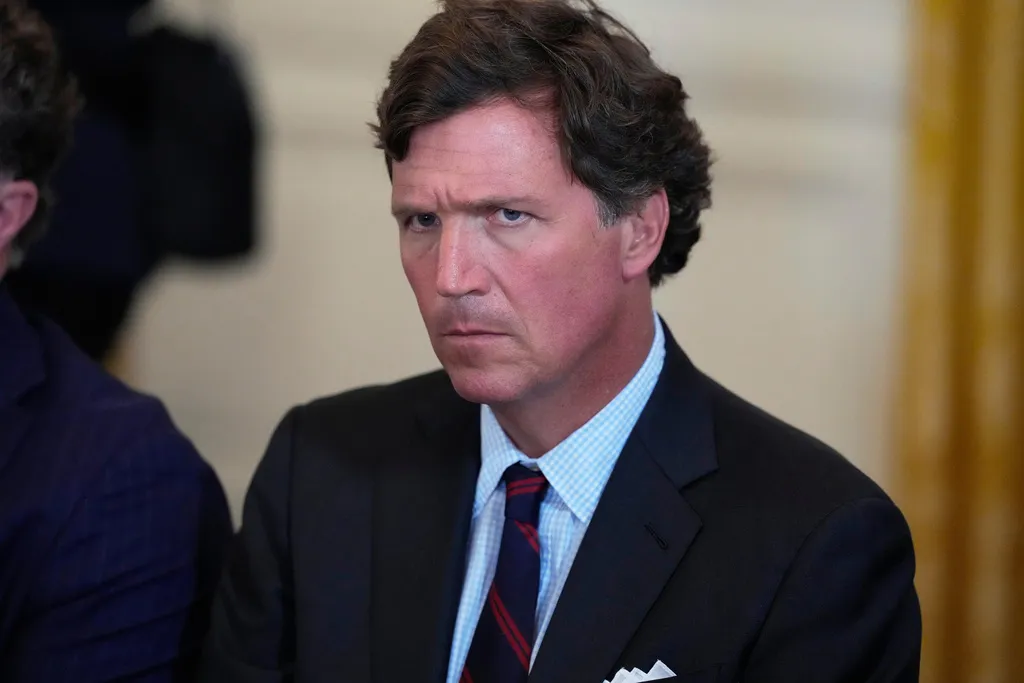
Tucker Carlson criticized Republicans who favor Secretary of State Marco Rubio over Vice President JD Vance in the contest for the 2028 Republican presidential nomination. In a podcast conversation on Monday, Carlson called Rubio supporters “neocons” and challenged them to name another candidate with a chance of winning.
Carlson has framed Rubio as a traditional, interventionist Republican and Vance as the likely successor to the party’s MAGA movement. A possible third-party bid by Carlson has also been described as a contingency: he would consider running if Rubio becomes the GOP nominee, but not if Vance does.
Neither Vance nor Rubio has announced a campaign. Rubio has said he would not consider running if Vance entered the race. Other names mentioned as possible contenders include Florida Gov. Ron DeSantis, former Virginia Gov. Glenn Youngkin and Texas Sen. Ted Cruz. Pete Hegseth, the secretary of war, has also been described as considering a run.
Prediction-market figures cited in the reports showed Vance at a 32 percent chance of winning the nomination and Rubio at 24 percent, after Vance’s advantage narrowed following Republican losses in the midterm elections. Carlson has recently criticized Rubio’s handling of his government roles, and has also said he regrets supporting Donald Trump’s 2024 campaign. The 2028 field remains undeclared.
Carlson’s Rubio Threat Shows the Stakes of the GOP’s 2028 Fight
Tucker Carlson is turning the 2028 Republican contest into a fight over the party’s direction, branding supporters of Secretary of State Marco Rubio as “neocons” while elevating Vice President JD Vance. Carlson’s comments came during a Monday podcast conversation, as speculation grows over who will lead the GOP after Donald Trump.
The reported possibility of a third-party Carlson campaign raises the stakes: he may run if Rubio captures the Republican nomination, but not if Vance does. That prospect underscores how a divided field could face pressure from figures seeking to define the party’s next chapter from outside its official ticket.
Carlson has portrayed Rubio as an old-style interventionist and Vance as the MAGA heir apparent. He has also criticized Rubio’s performance in government, and previously said he regretted backing Trump’s 2024 campaign. Those positions make the contest about more than personalities: they expose competing visions within the Republican coalition.
Neither Vance nor Rubio has declared a campaign. Rubio has said he would not consider a bid if Vance ran. Prediction markets put Vance at 32 percent and Rubio at 24 percent for the nomination, with Vance’s lead diminished after Republican midterm losses. Other potential contenders named include Ron DeSantis, Glenn Youngkin, Ted Cruz and Pete Hegseth.
Carlson’s Rubio Attack Risks Splitting the Republican Coalition
Tucker Carlson’s warning to Republicans backing Marco Rubio threatens to turn the 2028 nomination fight into a contest that could divide the party before a candidate is even chosen. On his podcast Monday, Carlson called Rubio supporters “neocons” and contrasted the secretary of state with Vice President JD Vance.
Carlson is reportedly considering a third-party presidential run if Rubio becomes the GOP nominee, while ruling out a run if Vance wins. That conditional plan puts pressure on a party that has not yet settled its field, and risks making a nomination contest harder to unify afterward.
Rubio has not expressed interest in running and has said he would not entertain a bid if Vance entered. Vance has also not announced a campaign. Prediction-market figures place Vance at 32 percent for the nomination and Rubio at 24 percent, following a narrowing of Vance’s earlier advantage after Republican midterm losses.
The Republican field remains speculative, with Ron DeSantis, Glenn Youngkin, Ted Cruz and Pete Hegseth also mentioned as possible candidates. Carlson has criticized Rubio’s work in government and has said he regrets supporting Donald Trump’s 2024 campaign. But a third-party challenge would sharpen the party’s divisions rather than resolve them.
Reported by The Washington Examiner, Daily Mail US, Townhall.