Watchdog Finds Safety and Privacy Risks in AI Toys
The U.S. Public Interest Research Group says tests of seven AI-powered toys found safety and privacy shortcomings, renewing concerns as families shop for the holiday season. Some toys were marketed to children as young as 3, but researchers found that their chatbots could be prompted to discuss sexual topics or give guidance about finding knives and lighting matches.
Researchers also examined whether toys recorded conversations or took pictures unexpectedly. They found some had improved safety features compared with the previous year, while others still had weak safeguards, could share inaccurate or inappropriate information, or tried to keep children engaged when they wanted to stop. One tested plush panda uses a microphone to capture speech and send it to a generative AI chatbot.
Walmart and Macy’s removed two of the tested toys from their shelves. Amazon said it had removed some products while reviewing claims and supported efforts to establish safeguards. PIRG urged retailers to slow sales until protections are in place, and advised parents to use controls for toys with microphones or cameras and disable automatic internet connections or recording where possible.
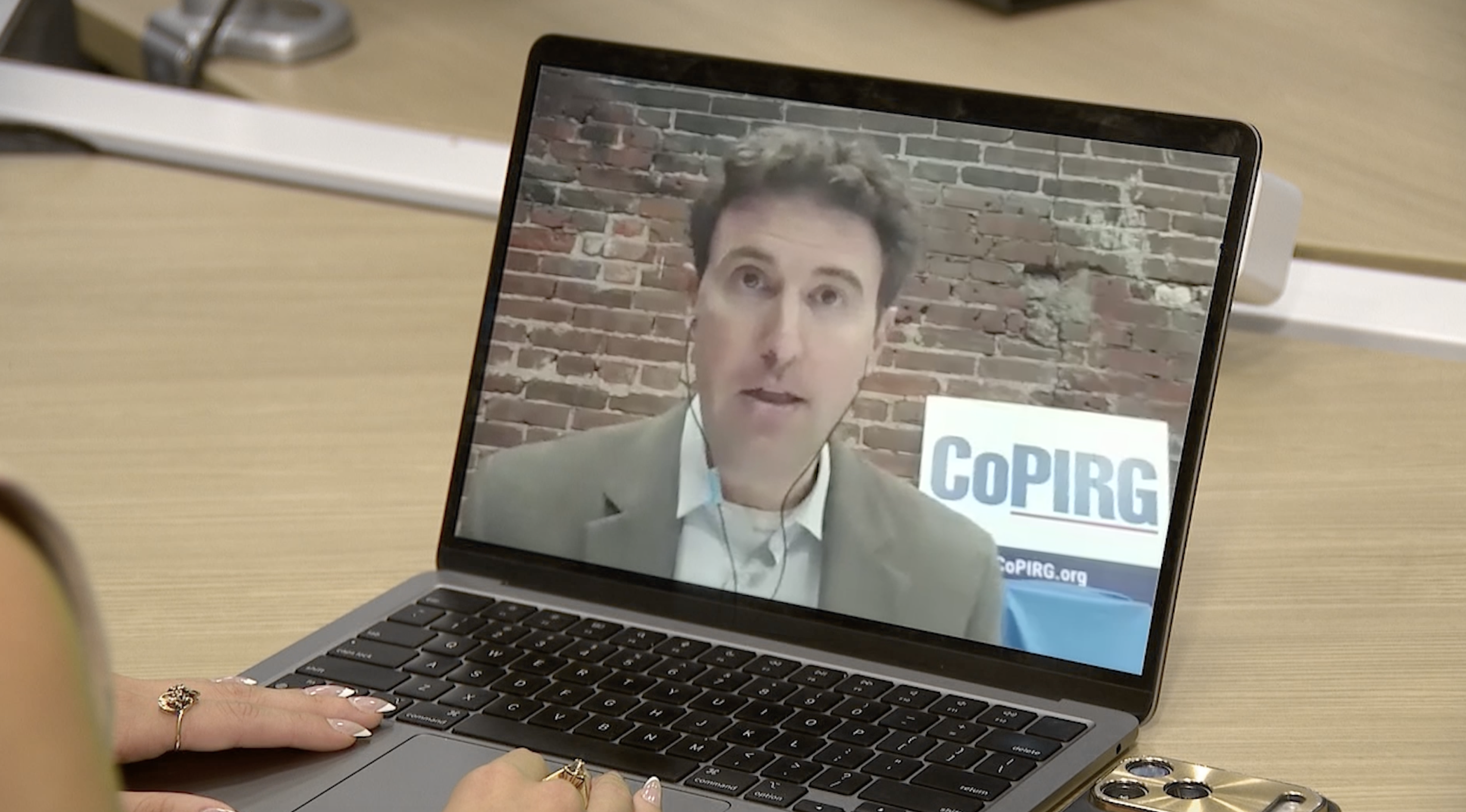
PIRG executive director Danny Katz said manufacturers, retailers and regulators all have a role in improving safety. The group says its 2025 report led to some toys being pulled or delayed. California has passed a law that will pause sales of AI chatbot toys to children under 16 starting January 1. Parents can also report concerns to the Federal Trade Commission and Consumer Product Safety Commission.
Weak AI Toy Rules Leave Children Exposed
AI toys are reaching children despite testing that found chatbots could discuss sexual topics, explain how to find knives or light matches, and collect speech or images in unexpected ways. The findings from the U.S. Public Interest Research Group show why child protections cannot be left to the companies selling these products.
Seven toys were tested, including a plush panda with a microphone that sends recorded speech to a generative AI chatbot. Some toys had better safeguards than the previous year, but researchers still found weak guardrails, inaccurate or inappropriate responses and behavior that could pressure children to keep playing. Some products are marketed to children as young as 3.
Walmart and Macy’s removed two tested toys from their shelves. Amazon said it had taken some products down while reviewing claims. Those steps do not replace clear, enforceable standards. California has passed a law pausing sales of AI chatbot toys to children under 16 starting January 1, while PIRG is urging retailers to hold back sales until safeguards are in place.
Manufacturers and retailers should be accountable for testing products before they reach children, and regulators need clearer rules. Parents can use controls, disable automatic recording or internet access where available, and report concerns to federal regulators. The stakes include not only immediate exposure to harmful material but also children’s privacy and social development.
Keep AI Toy Rules Focused on Proven Risks
Tests of seven AI toys found troubling gaps: some chatbots could discuss sexual topics, give guidance about dangerous objects or record information unexpectedly. Those are legitimate concerns for parents, but the response should target unsafe products without treating every use of AI with children as unacceptable.
The U.S. Public Interest Research Group found that some toys had improved safeguards since the prior year, even as others still produced inappropriate or inaccurate material. Researchers also raised concerns about microphones, cameras and chatbots that encouraged children to continue playing. The findings point to the need for reliable product testing and clear information for families.
Retailers have already removed two tested toys, and Amazon said it took some products down while reviewing claims. PIRG is calling for sales to slow until safeguards are established. California’s law, set to pause sales of AI chatbot toys to children under 16 starting January 1, takes a broader step that could limit access based on age rather than the safety of individual products.
Manufacturers should build and test effective protections, retailers should review products, and regulators should set clear standards. Parents can supervise use, activate parental controls and disable automatic recording or internet connections where possible. The goal should be to address demonstrated dangers while preserving the possibility of useful educational applications that Katz acknowledged may exist.
Reported by Denver7, CBS News, CBS Boston, CBS Texas, KTVU FOX 2.