CAA Chief Presses Congress to Pass AI Deepfake Bill
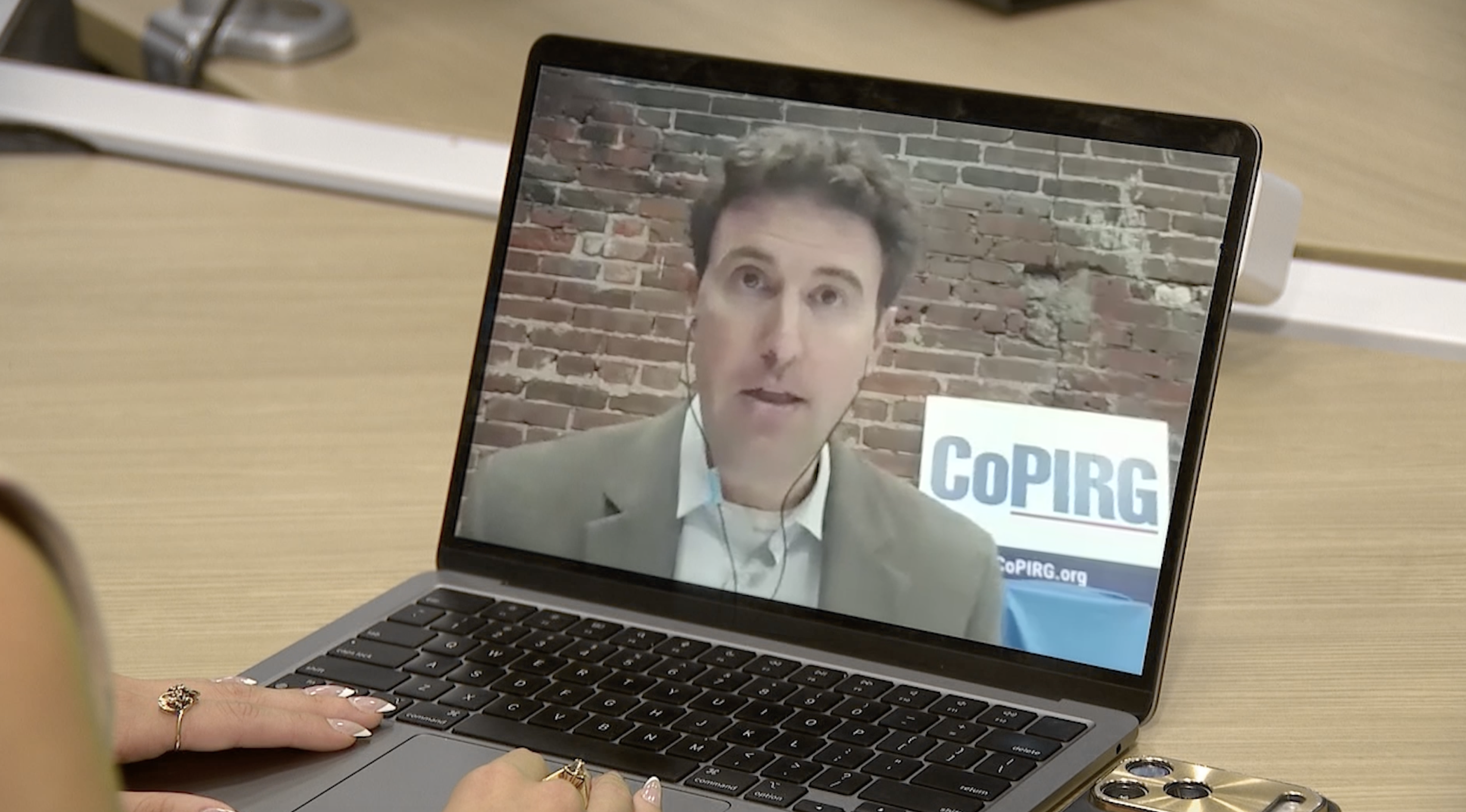
Bryan Lourd, chief executive of Creative Artists Agency, called on Congress to approve the NO FAKES Act, saying people should be able to control whether artificial intelligence uses their faces and voices. He wants lawmakers to send the bill to President Donald Trump for his signature before the end of the year.
The measure, introduced by Sen. Chris Coons of Maine, cleared the Senate Judiciary Committee unanimously in June but has not yet received a vote in the full Senate. It has bipartisan co-sponsors. Lourd described it as a way to establish a consistent federal standard for consent, control and compensation, replacing state rules he considers outdated for AI-generated replicas.
Lourd said the issue extends beyond entertainment. He pointed to an AI-made advertisement featuring Tom Hanks and another example involving a content creator whose likeness was used in a YouTube ad for erectile dysfunction supplements. He argued that people should have a say before their identities are used commercially.
Lourd said performers are not rejecting AI itself: some are making agreements to license their digital likenesses. The bill’s supporters include entertainment unions and trade groups, as well as technology companies such as IBM, Google and OpenAI. CAA has also worked with the Human Consent Foundation on permissions for likenesses used in AI systems.
Congress Should Protect Everyone From AI Likeness Theft
People should not have to watch their faces and voices become tools for someone else’s profit without permission. CAA chief Bryan Lourd is pressing Congress to pass the NO FAKES Act, arguing that the right to consent must apply to ordinary Americans as well as stars.
The bill would bar nonconsensual digital replicas and create a nationwide framework for control, consent and compensation. It passed the Senate Judiciary Committee unanimously in June, with bipartisan support, but the full Senate has yet to act. Lourd is urging Congress to move before the year ends and send it to President Donald Trump.
The examples make the stakes plain: an AI version of Tom Hanks appeared in a dental advertisement, while a content creator discovered that an AI likeness of her was used in an ad for erectile dysfunction supplements. These are not objections to artists choosing to work with AI; performers are already licensing likenesses on agreed terms. The distinction is permission.
Entertainment unions, industry groups and companies including IBM, Google and OpenAI support the measure. A federal standard would give people clearer protections than a patchwork of state rules. Congress should not leave Americans’ identities exposed while AI-generated advertising expands.
A Clear Federal Rule Can Protect Identity in the AI Era
The NO FAKES Act offers Congress a practical way to address AI replicas: set a clear national rule for permission and payment, rather than leave people and businesses navigating inconsistent state laws. CAA chief Bryan Lourd wants lawmakers to pass it and send it to President Donald Trump before the year ends.
The bill would prohibit nonconsensual digital replicas of anyone’s voice or likeness. It passed the Senate Judiciary Committee unanimously in June and has bipartisan backing, but the chamber has yet to consider it. Lourd says the measure applies familiar principles of consent and compensation to new technology.
The need for clarity reaches beyond Hollywood. AI likenesses have appeared in advertisements without the depicted person’s agreement, including an ad featuring Tom Hanks and a YouTube promotion for erectile dysfunction supplements that used a creator’s digital replica. At the same time, some artists are choosing to license AI versions of themselves, showing how consent can allow commercial uses to proceed.
Supporters include performers’ organizations, entertainment trade groups and technology firms such as IBM, Google and OpenAI. A uniform federal standard could make the rules easier to understand while recognizing both the value of creative work and the ability to make authorized AI deals. Congress should resolve the uncertainty with a focused law.
Reported by Variety, Deadline.