What Trump’s latest move means for Howard Lutnick

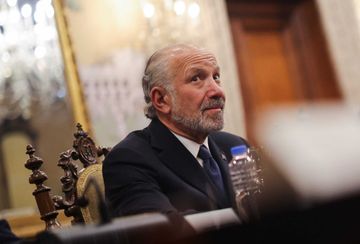
Howard Lutnick survival has drawn attention after a near-dismissal, public criticism from fellow Republicans and a widening dispute over chip-export controls. His continued hold on the Commerce Department reflects President Donald Trump’s personal loyalty and confidence. But it has also left unresolved questions about judgment, policy and conflicts of interest. A detailed account of Lutnick’s standing describes how the secretary’s position shifted after scrutiny of his past association with Jeffrey Epstein and a $25 million contribution to Trump’s future presidential library.
The Epstein connection became a political problem after Lutnick said he ended his relationship with Epstein in 2005. A later release of Justice Department documents showed Lutnick visited Epstein’s Caribbean island in 2012. Lutnick acknowledged the visit. According to people familiar with the matter cited in the report, Trump came close to firing him earlier this year. Then Trump stopped discussing replacing him after the library donation. The donation’s existence had been reported previously; the account links its timing to the president’s change of course. That sequence may invite questions, but the reports do not establish that Lutnick made the contribution in exchange for keeping his job.
The secretary’s access to Trump has apparently remained unusually direct. Officials told the report that Lutnick sometimes meets the president privately at the White House after other staff have left. They also said Trump has given him instructions in those sessions without other senior advisers present. Trump has also publicly defended him, saying he is doing a “very good job.” The White House says the president has complete confidence in Lutnick, though aides reportedly cautioned that Trump could change his mind.
Lutnick’s fortunes may also have improved with the departure of chief of staff Susie Wiles and the arrival of Stephen Miller earlier this month. According to people familiar with the arrangement, Wiles wanted advance notice of Lutnick’s public comments. After her exit, Lutnick reportedly told associates, “I’m not going anywhere.” He has a warmer relationship with Miller, who stayed at Lutnick’s Palm Beach home during the transition. A separate report on Lutnick’s position likewise describes him as more secure after Wiles left. Still, survival in Trump’s circle has never meant immunity from a change of presidential mood.
The most immediate policy dispute concerns export controls on advanced computer chips. Treasury Secretary Scott Bessent said his department, the departments of War and State, and the U.S. Trade Representative had supported placing a company called Megaspeed on an export-restriction list for months. Commerce controlled the decision. Bessent’s remarks followed reports involving Nvidia and its former chief executive, Jensen Huang. The reports say Lutnick’s department faced accusations of delaying restrictions. They do not establish why the department delayed the decision. Republican senators have also raised concerns about China and suspected shipments of advanced chips. Senator Tom Cotton’s criticism focused on warnings he says Lutnick failed to answer. Trump’s public defense of Lutnick underscores the contrast between the president’s confidence and lawmakers’ doubts.
Lutnick’s former firm, Cantor Fitzgerald, raises a separate question. He handed the firm to his adult sons when he entered government. Some administration and White House officials reportedly suspected that Lutnick held up chip controls for personal gain. Their concern is that Cantor did business with AI companies in Southeast Asia that could benefit from looser export restrictions. Cantor has denied conflicts of interest and retained outside legal advisers in anticipation of congressional investigations. Those are allegations and responses, not a finding that Lutnick acted improperly. Congress’s expected scrutiny will test whether Lutnick managed the relationships adequately and whether Commerce’s decisions served the public interest.
Republican criticism has made this more than an internal White House quarrel. Senator Thom Tillis said Lutnick should be replaced by someone who could serve the president better. Tillis attributed Lutnick’s survival to Trump’s loyalty toward old friends. Senator John Kennedy questioned whether Commerce was incompetent or knew about the alleged chip shipments and allowed them. The claims are sharply worded. But an investigation can examine the underlying issues: whether export controls were delayed, what warnings reached the department and how officials made the decision. Lutnick has also faced scrutiny over a $5 million donation to a group supporting House Republicans. He made it weeks before he was due to answer lawmakers’ questions about his Epstein ties.
Congressional inquiries, the chip-control dispute and Trump’s own assessment will likely shape the next chapter for his secretary. For my part, the important distinction is between a political friendship and a defensible public record. The reports leave several questions open. Documents and testimony should provide the answers, not loyalty or suspicion alone.
Reported by Daily Mail US, Raw Story, The Daily Beast.