Brooklyn Collapse Vigil Demands Answers and Safer Worksites
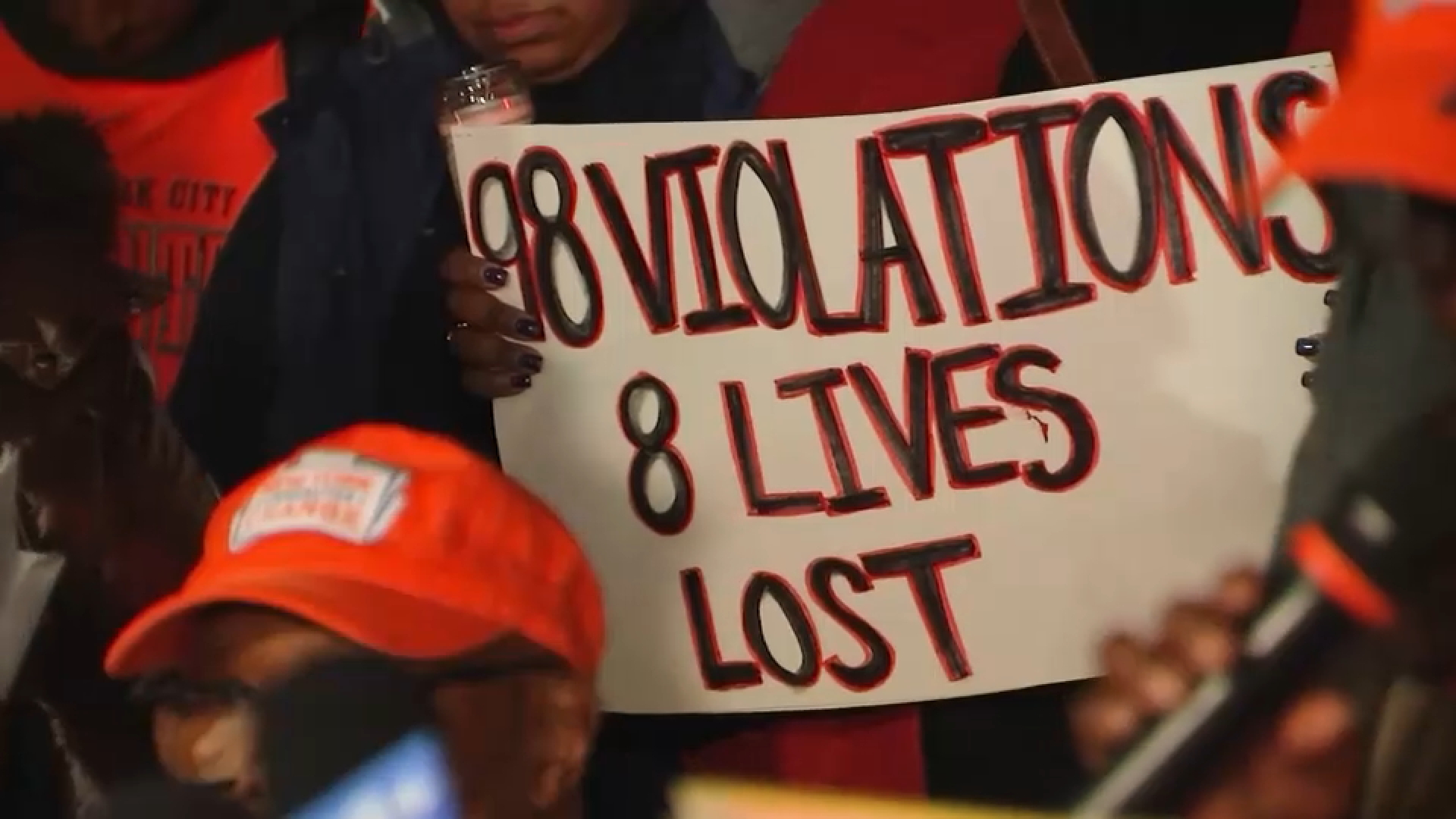
People affected by the November 11 collapse of a three-story Brooklyn building gathered at the site on November 21 to mourn, seek answers and call for safer conditions for construction workers. Eight people died, including two children. About 20 survivors and family members attended the vigil, alongside advocates and loved ones of the victims.
Brenda Vásquez, whose husband Edgar Sapón, 26, was among the workers killed, said city agencies had failed to supervise the construction properly. She called for authorities to act, while acknowledging that justice would not bring her husband back. Their four-year-old son was with her.
Walter Silchez, director of Alianza Ecuatoriana Internacional, said families had received no outreach from city agencies and argued that the Department of Buildings could not be left to investigate if it bore responsibility. City inspectors had visited the building over more than a decade while cracks in its facade remained, according to an account of the property’s inspection history.
Leidy Álvarez, who was injured in the collapse, attended with her son Pablo, 9, who suffered a serious head injury. She said he wakes at night recalling the building coming down. Her younger son was unharmed. Álvarez had moved into the apartment roughly eleven days before the collapse.
Families of victims also attended, including relatives of construction worker Gabriel Siguencia, 22. Luis Siguencia said money could not restore those they lost and that justice was still necessary. Earlier on November 21, a soccer tournament raised money for the widow of José Luis Caguana, whose son was born that week.
Brooklyn Collapse Survivors Demand City Accountability
The Brooklyn building collapse has left survivors and grieving families demanding answers from the city agencies charged with protecting residents and workers. At a November 21 vigil at the Flatbush Avenue site, attendees called for justice and better construction conditions after eight people, including two children, died in the November 11 collapse.
Brenda Vásquez, widow of construction worker Edgar Sapón, said the work had not been properly supervised and urged authorities to act. Their four-year-old son was beside her. Her loss, and the deaths of other workers who left children behind, gave the gathering a stark focus on the human cost of weak oversight.
The building’s facade had cracks during city inspections over more than a decade. Walter Silchez of Alianza Ecuatoriana Internacional said families had received no outreach from city agencies and questioned how the Department of Buildings could investigate when attendees believed it shared responsibility. The demand is for accountability, not silence from the institutions meant to keep buildings safe.
Survivor Leidy Álvarez described the continuing trauma for her son Pablo, 9, who was badly injured and now wakes at night remembering the collapse. Álvarez also suffered several injuries; her younger son escaped unharmed. She had moved into the apartment less than two weeks before the disaster.
Relatives of the dead, including the family of worker Gabriel Siguencia, attended. Luis Siguencia said nothing could replace their loved ones but justice was essential. A soccer tournament on November 21 raised money for the widow of José Luis Caguana, whose son was born that week.
Brooklyn Families Demand Answers After Deadly Building Collapse
The basic duty of city government is to protect people from preventable danger. At a November 21 vigil in Brooklyn, survivors and bereaved families demanded answers after a three-story building collapsed on November 11, killing eight people, including two children.
Brenda Vásquez, whose husband Edgar Sapón was among the construction workers killed, said the construction had not been properly supervised. She called on authorities to take action. The building’s facade had cracks during city inspections over more than a decade, raising serious questions about whether the agencies responsible for oversight did their jobs.
Walter Silchez of Alianza Ecuatoriana Internacional said families had not received outreach from city agencies and challenged the Department of Buildings’ role in investigating a disaster attendees believed involved agency failures. Residents deserve a clear accounting of what happened and a response focused on competence and public safety.
The consequences continue for survivors. Leidy Álvarez, injured in the collapse, said her nine-year-old son Pablo wakes at night reliving the event. He suffered a severe head injury; Álvarez sustained back and chest injuries and a broken collarbone. Her three-year-old son was unharmed. The family had moved into the apartment roughly eleven days earlier.
Relatives of the victims also attended the vigil. Luis Siguencia, whose 22-year-old son Gabriel was killed, said justice was needed despite nothing being able to bring the dead back. A soccer tournament on November 21 raised money for the widow of José Luis Caguana, whose son was born that week.
Reported by CBS New York, New York Post.