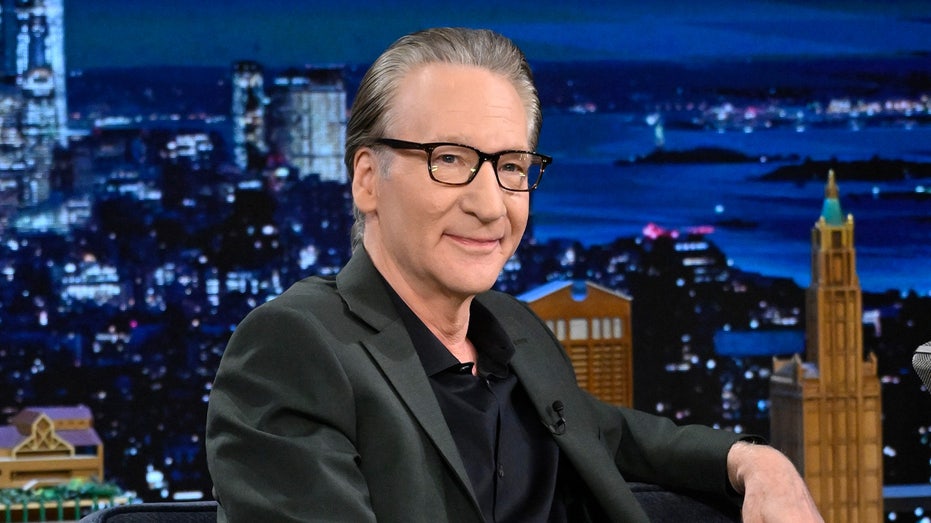
Maher Mocks Celebrities Who Left After Trump’s Win

The Maher celebrity exodus story turned into a rebuke of political panic—and a reminder that elections can change the country’s direction. In his season finale on Friday, November 20, 2026, Bill Maher mocked people who moved abroad after Donald Trump’s 2024 win and were now considering a return after Democrats’ strong midterm showing. The monologue also drew pushback. A Democratic strategist argued Maher had stripped Rosie O’Donnell’s decision of important context.
Maher’s point was not limited to celebrities on the left. He began by teasing conservatives who had moved from blue states to red states, only to find those states had since turned blue. Then he pivoted to people who, in his view, had treated an election loss as proof that America was beyond repair. He described the country as having corrected course through the midterms. He also praised voters for using elections rather than simply complaining about the nation’s direction. His finale remarks framed voting as a power people already had, not a last resort to discover after leaving.
The reports named O’Donnell and Ellen DeGeneres as examples. O’Donnell moved to Ireland after Trump’s 2024 victory, taking her 12-year-old daughter with her. She said she would consider returning when she believed equal rights were safe in America. After the Democratic midterm victories, she was reportedly weighing a move back. Her remarks and plans formed the immediate backdrop to Maher’s joke about people who leave and then return when the political weather shifts. Another account of Maher’s comments describes his criticism of liberals who moved abroad after Trump’s election victories in 2016 and 2024. That report also includes the reactions of O’Donnell’s critics and defenders.
DeGeneres and her wife, Portia de Rossi, relocated to the United Kingdom after Trump’s election. DeGeneres later recounted arriving just before the election and deciding to stay after learning Trump had won. The reports also mention musician Art Garfunkel. Earlier in the year, he said he was unhappy with the administration’s positions on climate change and international affairs and was considering leaving. The accounts do not establish that DeGeneres or Garfunkel are now preparing to return. Maher’s return-home riff was chiefly tied to O’Donnell and the broader celebrity reaction.
Maher also revisited predictions that wealthy donors, gerrymandering, or barriers to voting could distort the midterms. He argued those fears did not define the outcome. He held up the election as evidence that democratic politics could still deliver change. A related account of his remarks on election concerns is collected in this report. His argument, then, had two targets: people who gave up on the country after an election, and a political class that treats democratic outcomes as fragile or futile before voters have had their say. A further report covers Maher’s remarks and the celebrities discussed in connection with Trump’s presidency.
The criticism was not one-sided. Democratic strategist Kaivan Shroff said Maher’s swipe at Ireland targeted O’Donnell and, in his view, ignored years of conflict between her and Trump. Shroff cited Trump’s longstanding public attacks on O’Donnell and his threat to revoke her citizenship after she left. He argued that her move could not fairly be reduced to a celebrity’s tantrum over losing an election. That is Shroff’s account of the relevant context, not a finding about O’Donnell’s motives. The reports say representatives for O’Donnell and DeGeneres received requests for comment. They include no response from either.
Another commentator defended Maher’s willingness to criticize people aligned with his own political camp. He argued that people returning should not expect others to forget their earlier statements. That defense and Shroff’s objection sharpen the real dispute: Was leaving an overblown reaction to an election, or a personal response shaped by more than the ballot result? Maher made the first case with a punchline. Shroff made the second by pointing to the specific history he says the joke left out. Neither account resolves what any individual will do next.
For my part, Maher’s broad point about voting is stronger than the celebrity punchline. But the details matter when the joke lands on a particular person. The next question is whether O’Donnell’s reported interest in returning becomes an actual move. It is also whether the people who left will treat the midterms as a lasting change or a temporary turn in the political cycle. Their choices may differ, just as their reasons for leaving did.
Reported by The Daily Wire, Fox News, New York Post.