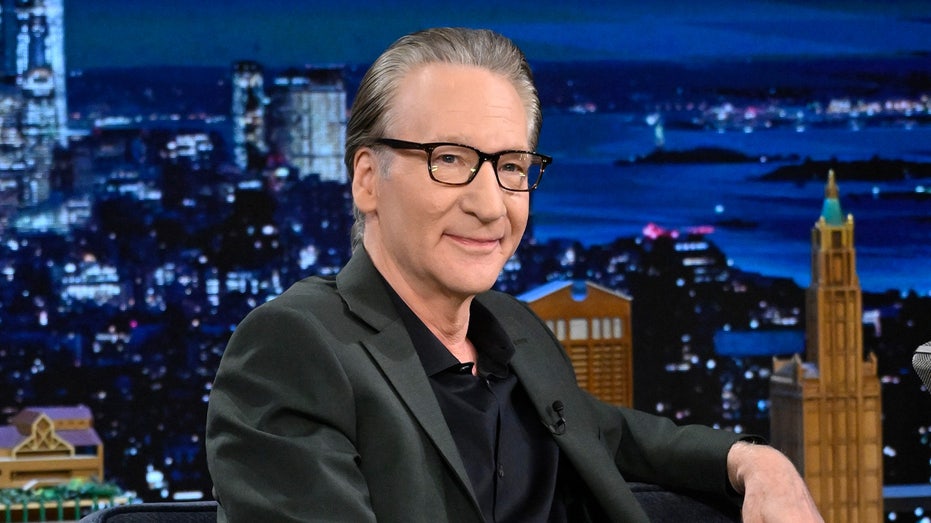
What Bill Maher said about GTA 6 and workplace absences

Bill Maher turned Grand Theft Auto VI’s blockbuster launch into a joke about young men skipping work, then pivoted from the punchline to a more serious complaint about the game’s appeal. The two beats landed in the same monologue: first, a comparison between absences blamed on the game and those associated with ICE; later, unease about players choosing criminal conduct in a fictional world. The result was a familiar mix of provocation and cultural commentary, with the game serving both as a commercial phenomenon and a target for moral hand-wringing.
The remarks came in the Season 24 finale of Real Time, which aired Friday, November 20. Maher said roughly one fifth of young men in the United States had stayed home from work to play GTA VI, and quipped that its launch had caused more workplace absences than ICE. That figure and comparison were presented as Maher’s claim, not as verified employment data. The reports describe Thursday, November 19, as the game’s release, and say the title made $3.79 billion in its first 48 hours. One report characterized the opening as a record and noted the scale of public attention around the release.The launch and Maher’s punchline became the monologue’s sharpest collision of gaming hype and political shorthand.
The game’s impact was also the setup for Maher’s separate observation that its opening revenue eclipsed movie openings. He called it a giant cultural phenomenon, while acknowledging his own interest in it. That admiration did not prevent him from questioning what players wanted from the experience. Maher described the game as involving criminal activity, while allowing that not every action in it was criminal or without motivation. He then seized on the reported option to play a good or bad boyfriend, and joked about a character attacking a sex worker with a car antenna. His concern was less a review of mechanics than a reaction to the fantasy he believed those mechanics invite.
That distinction matters. A game about crime does not, by itself, establish what its audience endorses outside the screen; the reports give no evidence that players’ choices translate into real-world conduct. But Maher’s complaint was not simply that GTA VI depicts wrongdoing. He framed the appeal of performing it as troubling, especially when discussing the game’s treatment of women. The tension is one games know well: players may be drawn to a world precisely because it grants permission to do things real life forbids, while critics can reasonably ask what a work finds funny, thrilling, or disposable. The debate is more interesting than the easy leap from fictional crime to a diagnosis of its audience.
The joke about people missing work was part of a broader monologue about technology and institutional fragility. Maher mentioned outages affecting Microsoft and airlines the previous week, followed by Apple, four major banks, and the National Security Agency. He connected the disruptions to artificial intelligence identifying vulnerabilities and compared fixing systems by breaking them to the Department of Government Efficiency. He then questioned why the top cybersecurity official had been fired if the incidents were not cyberattacks, using an infidelity joke to suggest that an official explanation might not settle the matter. The reports do not establish the cause of the outages or explain the firing, so those comments remain Maher’s questions and insinuations, not a confirmed account of events.The tech-outage remarks show how the finale moved between spectacle, suspicion, and punchline.
GTA VI was not the only entertainment story in the episode. Maher also praised Robert Pattinson’s casting as James Bond in a project associated with director Denis Villeneuve, dismissing criticism that Pattinson was too young or otherwise ill-suited. He argued Bond should be a grown man and said he would have accepted a Black actor in the role. He rejected a woman or lesbian Bond, reasoning that heterosexual masculinity was essential to the character. The reports describe those remarks but offer no further details about the production or its casting process. That makes the contrast with his GTA discussion notable: Maher treated one fictional identity as flexible, while drawing a firm boundary around another.
The finale arrives after Real Time received a two-season renewal in January, extending its run through 2028. That gives the show room to keep staging these collisions between entertainment, politics, and cultural grievance. Elsewhere, GTA’s imagined radio satire has also prompted discussion of how the series borrows from real scandals, including a reported parody of NFL misconduct stories.The game’s satirical radio material offers another angle on the franchise’s habit of turning public life into fictional background noise.
For my part, the workplace-absence line is a neat gag, but its supposed statistic needs more than a punchline before it can carry an argument. The more worthwhile question is what GTA VI is doing with its fantasies, not whether a game’s audience can be reduced to one stereotype.
Reported by Variety, Deadline.