UN Talks Extend Debate on Autonomous Weapons Without Binding Rules
The agreement followed a weeklong conference on weapons and gives countries two more years to develop a possible accord on lethal autonomous weapons systems. It does not launch negotiations on binding restrictions, despite calls from the UN secretary-general, many governments and advocacy groups for stronger action.
A proposal from Brazil and six other countries—Panama, New Zealand, Mexico, Ireland, Belgium and Austria—to begin negotiations on rules limiting machines’ ability to kill without human control or accountability did not succeed. The talks took place under the Convention on Certain Conventional Weapons, whose 128 parties make decisions by consensus, allowing any one country to block an agreement.
UN disarmament chief Izumi Nakamitsu described the outcome as significant while acknowledging it fell short of the secretary-general’s goal of reaching a legally binding deal this year. She urged countries to begin work promptly on an instrument to prohibit or regulate the weapons.
Advocacy groups criticized the weaker outcome and accused Russia and the United States of resisting stronger language. Brazil’s ambassador, Frederico Meyer, said technology was advancing faster than diplomacy. The International Committee of the Red Cross has warned that autonomous weapons can behave unpredictably and urged states to keep human beings in control of the use of force.
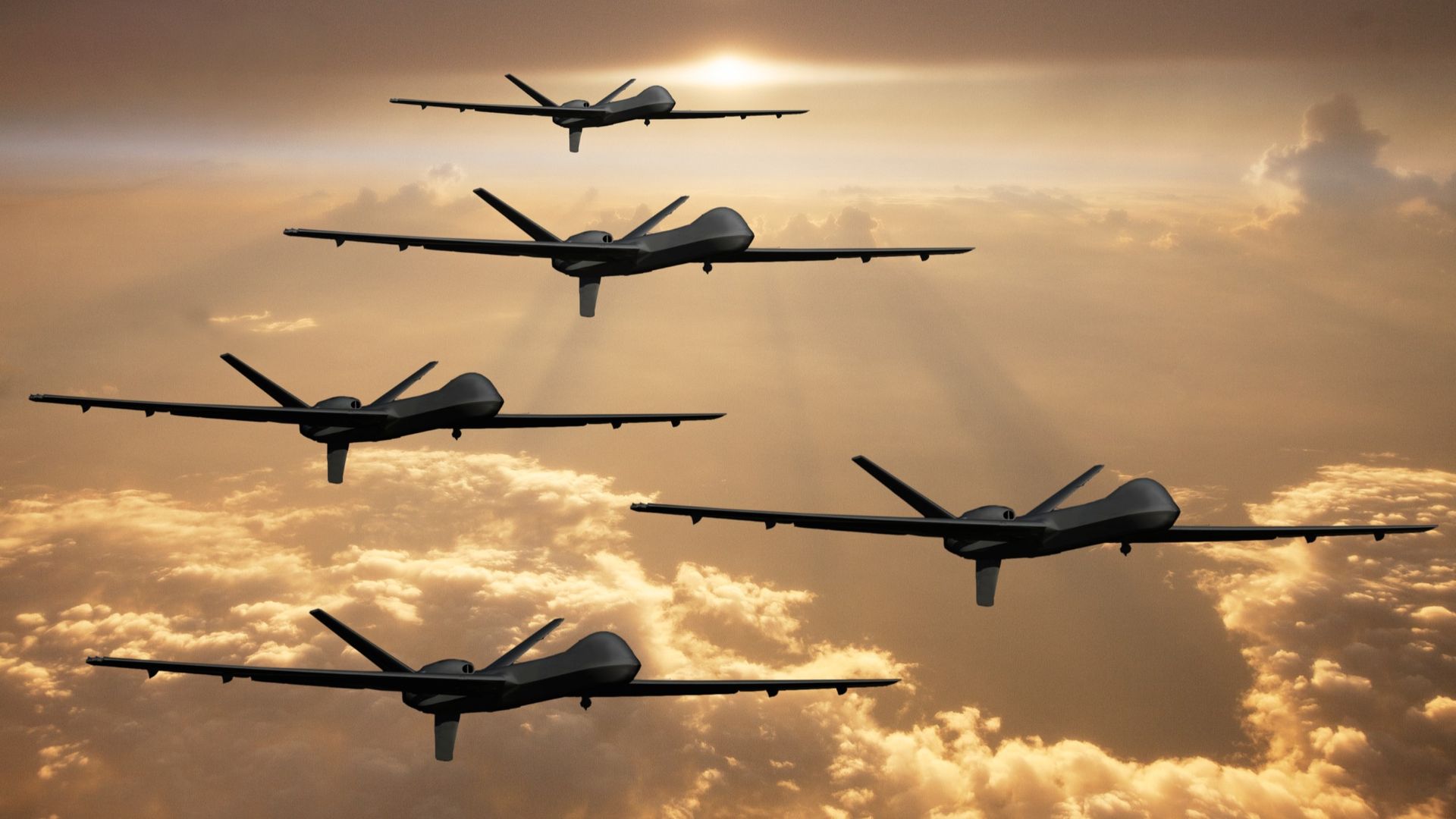
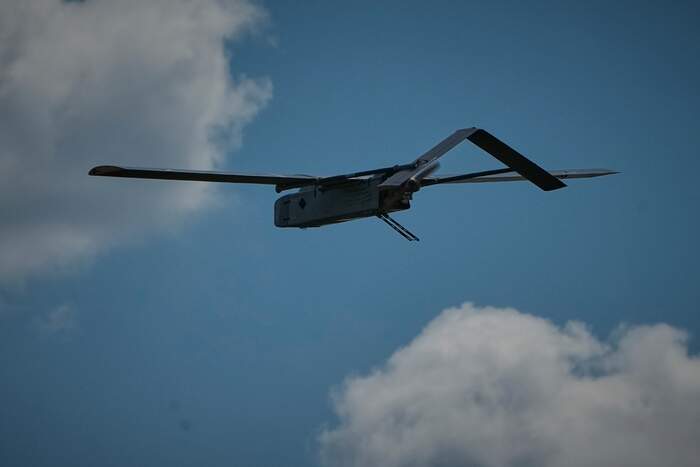
The secretary-general set 2026 as the deadline to start negotiations. Activists say autonomous strike drones have been used in some conflict-zone instances, though widespread deployment has not occurred. Countries now have until 2028 to elaborate a possible accord.
Countries Delay Rules as Autonomous Weapons Advance
Countries have again put off firm limits on weapons that can make lethal decisions without human control. The Geneva agreement extends talks for two years, even though the UN secretary-general had called for negotiations toward a legally binding deal to begin in 2026.
Seven countries, including Brazil, Austria and Mexico, sought to open negotiations on rules that could prevent or limit machines from killing without human control or accountability. That proposal failed. Instead, delegates agreed only to elaborate a possible accord by 2028.
The consensus-based process under the Convention on Certain Conventional Weapons gives every participating country the ability to block an agreement. Advocacy groups say Russia and the United States used their influence to resist stronger language, while most countries supported moving toward a treaty. The result leaves advocates for limits facing another two years of discussion rather than negotiations on rules.
UN disarmament chief Izumi Nakamitsu urged governments to start work promptly on an instrument to prohibit or regulate lethal autonomous weapons. The Red Cross has stressed that people must retain control over the use of force, warning that autonomous weapons can be unpredictable.
Activists say armed drones capable of independently striking targets have appeared in some conflict-zone instances, although broad deployment has not taken place. The delay raises the stakes of the next phase: whether governments can turn continued discussion into meaningful protections before these systems become more common.
Consensus Talks Preserve Space for Weapons Development
The Geneva talks ended without a binding weapons pact, leaving countries room to keep developing military technology while discussions continue. Delegates agreed to elaborate a possible accord by 2028, but did not accept a proposal to begin negotiations on rules limiting machines’ ability to kill without human control.
That outcome reflects the reality of a consensus process under the Convention on Certain Conventional Weapons, which has 128 parties: any one country can prevent agreement. A deal imposed without broad support would not resolve the competing views among governments on how to handle autonomous weapons.
Brazil, joined by Panama, New Zealand, Mexico, Ireland, Belgium and Austria, had proposed launching negotiations. Advocates criticized the failure to take that step and accused Russia and the United States of opposing a stronger formulation. But the talks produced an extension rather than a prohibition, allowing countries to continue considering the issue while military powers jockey for technological advantage.
UN disarmament chief Izumi Nakamitsu called the result significant but urged governments to work quickly toward an instrument that could prohibit or regulate the weapons. The Red Cross argues that humans must remain in control of force and warns that autonomous systems can be unpredictable.
The secretary-general’s 2026 deadline to launch negotiations was not met. Countries are now tasked with developing a possible accord by 2028, as activists point to limited instances of autonomous strike drones in conflict zones while saying widespread deployment has not occurred.
Reported by KPRC 2 Click2Houston, The Philadelphia Inquirer, The Verge, New York Post, Mother Jones.