House Version of College Sports Bill Adds Conference Flexibility
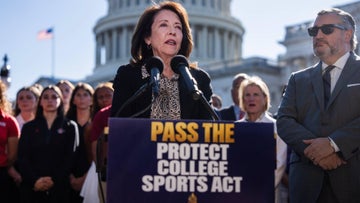
President Donald Trump renewed his call on November 20 for Congress to pass the Protect College Sports Act, warning that college athletics and universities face financial risks without federal rules. The bill would set national standards for athlete compensation, eligibility, transfers and revenue sharing, while providing limited antitrust protection to the NCAA and conferences.
A revised House version made public on November 20 would let conferences have as many as 22 teams, up from the Senate version’s 20. It also removes a three-year probationary period for schools that become independent while changing conferences. The revisions respond to requests from Florida State, Miami, Clemson and North Carolina, which argued that the earlier restrictions would constrain realignment options.
The House proposal would also bar schools with at least $50 million in income from media deals from using student fees to support athletics. The Senate approved its version 77-22 in September, but the measure has remained in the House amid disagreements about athlete pay, employment status and conference realignment.
The NCAA urged member schools to contact lawmakers, saying the short timetable made quick action important. House Republican leaders also backed the bill, arguing that stronger antitrust protections are needed to address the unsettled rules in college sports. Democrats have raised concerns that the proposed exemption could limit athletes’ ability to sue, including over eligibility.
The House is set to return from its Thanksgiving break on November 30, and Republican leaders are aiming for a vote in the first week of December. The bill must pass Congress and be enacted by December 31 to become law.
College Sports Bill Faces Questions Over Athlete Rights
Congress is being pressed to pass a bill that would shape athlete pay, eligibility, transfers and revenue sharing, but the House proposal’s antitrust exemption raises a basic concern: whether athletes will retain meaningful recourse when rules are imposed on them.
The Senate passed its version 77-22 in September. The revised House measure would protect the NCAA and conferences from some lawsuits, as legal challenges over eligibility continue through courts. Democrats have questioned the effect of those protections on athletes’ rights.
The House changes also widen the conference membership cap from 20 to 22 and remove a three-year independence period for schools moving between leagues. Those revisions address requests from Florida State, Miami, Clemson and North Carolina, while the proposal would bar schools with at least $50 million in revenue from media deals from using student fees to help pay for sports.
Trump and House Republican leaders have argued that federal intervention is needed to stabilize college athletics. But a rushed vote before year’s end should not obscure the stakes for athletes: the bill would set nationwide rules while limiting some avenues to challenge them. The House returns November 30, with Republicans aiming for a vote in the first week of December.
Congress Must Set Rules for College Sports Before Year’s End
College sports cannot keep operating under a patchwork of rules and mounting financial pressure. President Donald Trump renewed his push on November 20 for the Protect College Sports Act, warning that universities could face serious financial consequences without action.
The bill would establish national standards for athlete compensation, eligibility, transfers and revenue sharing, and offer the NCAA and conferences some protection from antitrust lawsuits. House Republican leaders say stronger protections are needed to end the unsettled environment surrounding college athletics. The Senate passed its version 77-22 in September.
The revised House measure allows conferences to expand to 22 teams, compared with 20 under the Senate bill, and removes a three-year independence period for schools changing leagues. Those changes respond to requests from Florida State, Miami, Clemson and North Carolina. The House version would also prevent schools with at least $50 million in revenue from media deals from using student fees to help pay for sports.
Democrats have objected that the antitrust exemption could restrict athletes’ lawsuits, including challenges over eligibility. That concern deserves consideration, but leaving the system without national standards also carries consequences for schools and sports. The House returns November 30, and Republican leaders are targeting a vote in the first week of December. The bill must clear Congress and receive a signature by year’s end to become law.
Reported by The Daily Wire, The Philadelphia Inquirer.