College Sports Bill Faces a Narrow House Window
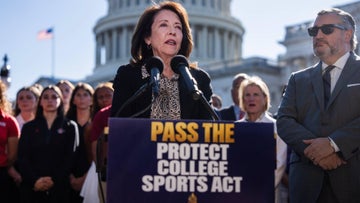
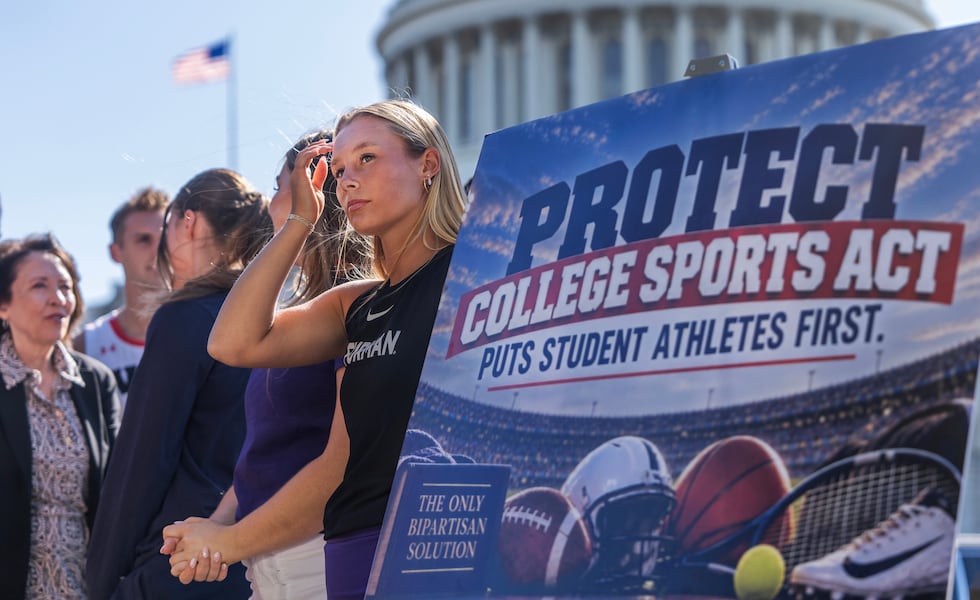
The Protect College Sports Act cleared the Senate 77-22 in September, but its path through the House has grown more uncertain after Democrats won control in the November midterms. House Majority Leader Steve Scalise and two other Republican leaders said they plan to bring the measure to the floor early next month, with Scalise indicating that only narrow changes are expected.
Cruz has been reaching out to Democratic lawmakers in the House, among them members of the Congressional Black Caucus, to seek a compromise. One potential addition under discussion would offer a route to student loan forgiveness for people who attended historically Black colleges and universities. The bill already authorizes $1 billion for HBCU technology and broadband improvements and includes protections and representation for HBCU athletes.
Democratic critics have questioned whether the measure adequately protects athletes’ interests. NAACP President Derrick Johnson has argued that players should have had a place in shaping the bill and raised concerns about their ability to bargain collectively. Some House Republicans have also objected to provisions.
Sen. Eric Schmitt has urged House leaders not to alter the Senate version and to allow a direct vote. Senate Majority Leader John Thune said a two-thirds vote under the House suspension process could be an option if Republican opposition proves difficult. Scalise has said the House expects to make limited revisions.
The legislation would set federal rules for college sports, including restrictions on transfers and barring professional athletes from competing in college. Supporters say the current Congress offers the best chance to pass it; if it fails before the new Congress takes over in January, the bill would need to begin the process again.
College Sports Bill Must Put Athletes at the Table
The Protect College Sports Act has a limited window to pass before Democrats take control of the House in January. Its 77-22 Senate vote did not settle the central question: whether a federal framework for college sports will protect athletes or chiefly serve the institutions and conferences that govern them.
Cruz is courting Democratic lawmakers in the House, including representatives from the Congressional Black Caucus, and considering additional support for historically Black colleges and universities. The bill already authorizes $1 billion for HBCU campus technology and broadband and provides athlete protections and representation. Yet those provisions have not resolved Democratic concerns, and a possible student-loan-forgiveness pathway is still being discussed.
NAACP President Derrick Johnson has argued that athletes should have participated in writing the legislation and warned that their ability to bargain collectively is at stake. Those concerns deserve more than a last-minute legislative fix. House Republicans have also raised objections to parts of the bill, while Majority Leader Steve Scalise says he expects only narrow revisions.
Sen. Eric Schmitt is pressing for the House to vote on the Senate version without changes. But speed is not a substitute for meaningful athlete input. If lawmakers want a durable framework, they must address the people whose labor and rights are at its center—not merely push a bill through before the next Congress arrives.
Congress Has One Chance to Set Rules for College Sports
College sports need clear federal rules, and supporters of the Protect College Sports Act say Congress has little time to provide them. The Senate passed the bill 77-22 in September, but Democrats’ coming House majority makes the lame-duck session the best opportunity to move it forward.
The measure would establish a national framework for a landscape reshaped by athlete compensation agreements tied to their names, images and likenesses, as well as shared revenues. It would also restrict transfers and bar professional athletes from playing college sports. Senate Majority Leader John Thune has warned that without legislation, the issues could keep landing in court for years.
Cruz is seeking Democratic votes, including from members of the Congressional Black Caucus, and considering additional aid for HBCUs. The bill already authorizes $1 billion for HBCU technology and broadband improvements and includes protections and governance representation for their athletes. House Majority Leader Steve Scalise says Republicans intend to make only narrow changes and bring the bill forward in December.
Some Democrats argue the measure does not sufficiently protect athletes’ ability to bargain collectively, while Sen. Eric Schmitt warns that altering the Senate-passed bill could jeopardize it. Their objections underscore the stakes, but delay could leave college sports without a federal framework. If the bill misses this Congress, it must start the legislative process over.
Reported by Deseret News, Semafor.