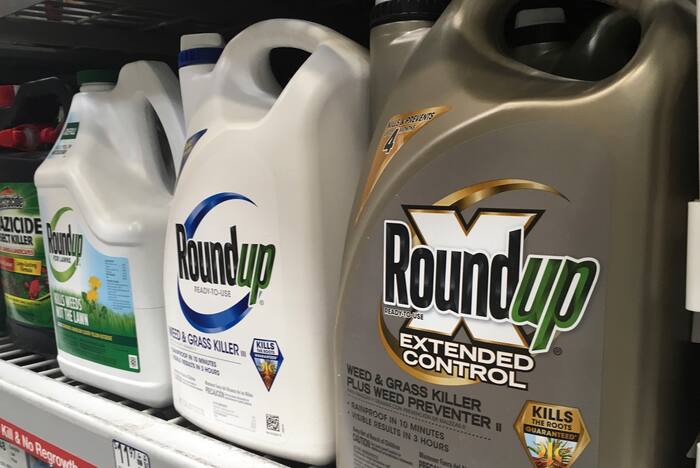
Bayer Wins Approval for $7.25 Billion Roundup Settlement
The agreement covers people who already have non-Hodgkin lymphoma after using Roundup, as well as those diagnosed in future years who were exposed before the settlement was proposed in February. Individual payments will vary, with estimated averages ranging from $10,000 to $165,000 based on factors including age at diagnosis, illness severity and how the product was used. Bayer will make yearly payments into a fund for as long as 21 years.
Bayer denies that Roundup causes cancer. The company has faced about 200,000 related claims and previously reserved $16 billion for legal expenses. It has removed glyphosate from newer Roundup products for residential use and has considered withdrawing the product from U.S. agricultural markets amid litigation costs.
The settlement comes after a June Supreme Court ruling that federal pesticide-labeling rules prevent state lawsuits claiming Bayer should have warned of cancer risks. Court cases have had mixed outcomes: a Georgia jury awarded plaintiffs $2.1 billion, while a Missouri jury in October found for Bayer in a case involving design and other claims.
Some lawyers for cancer patients say the compensation is inadequate and the agreement restricts future claims. Others argue it offers more certainty than continuing to litigate after the Supreme Court decision. The judge found the average payments fair and adequate. The approval could be appealed.
Roundup Settlement Leaves Cancer Patients Facing Years of Limited Compensation
The settlement promises compensation to people with non-Hodgkin lymphoma who used Roundup, including some who will be diagnosed in coming years. But the estimated average awards range from $10,000 to $165,000, and the fund will be paid out over as long as 21 years. Lawyers opposing the deal say its terms are too restrictive and prevent future claimants from seeking punitive damages.
Bayer denies that Roundup causes cancer, yet the company has faced about 200,000 claims. The settlement follows a Supreme Court ruling in June that limits state-level failure-to-warn cases because federal rules do not require a cancer warning on the product. That leaves patients with less leverage to pursue claims in court, even as the agreement sets compensation for people exposed before it was proposed in February.
The scientific and regulatory picture remains contested: the World Health Organization’s cancer research agency classified glyphosate as probably carcinogenic, while the U.S. Environmental Protection Agency says it is not likely to cause cancer when used as directed. Bayer has removed glyphosate from newer residential Roundup products.
The judge called the payments fair and adequate, but the decision may be appealed. For cancer patients, the deal offers compensation while also limiting what future claimants can pursue against a company whose product remains in agricultural use.
Court Settlement Offers Certainty After Roundup Lawsuits Hit Legal Limits
The agreement establishes a fund Bayer will pay into annually for up to 21 years, with estimated average awards between $10,000 and $165,000. It covers people already diagnosed with non-Hodgkin lymphoma and future diagnoses among those exposed before the settlement was proposed. The judge found the average payments fair and adequate.
Bayer denies Roundup causes cancer and has faced about 200,000 claims. A June Supreme Court decision held that federal pesticide-labeling rules prevent state suits based on Bayer’s failure to add a cancer warning. That ruling changed the legal landscape for plaintiffs, and a panel of Missouri jurors ruled in Bayer's favor in October during litigation involving design defects, negligence and fraud.
The settlement gives the company a measure of financial certainty after years of costly litigation. Bayer had already reserved $16 billion for Roundup-related legal expenses and had considered withdrawing the product from U.S. agricultural markets. The company has also removed glyphosate from newer residential versions of Roundup.
The evidence and regulatory judgments are not uniform: the World Health Organization’s cancer research agency called glyphosate probably carcinogenic, while the EPA says it is not likely to cause cancer when used as directed. Some lawyers argue the settlement is too restrictive, and its approval could be appealed. But the deal sets a defined path for compensation amid litigation whose outcomes have varied.
Reported by The Philadelphia Inquirer, FOX 5 DC, PBS NewsHour, The Guardian, The Washington Examiner, BBC, Newsweek, Mother Jones.