Sotomayor Signals Openness to Supreme Court Term Limits
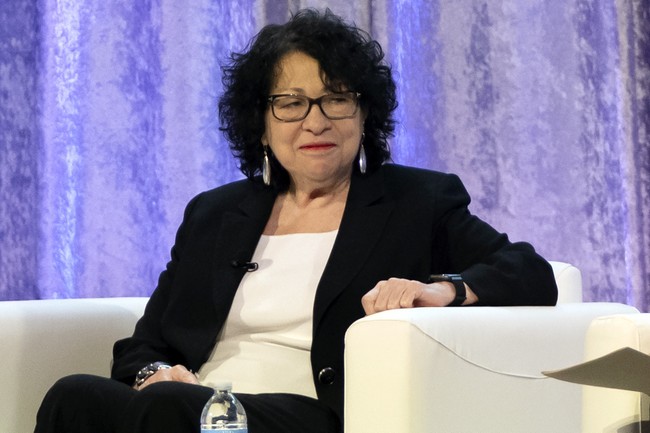
Sotomayor said she would be open to term limits during a Philadelphia event hosted by the American Philosophical Society. She noted that other countries have preserved judicial independence without granting judges lifetime tenure, and described term limits as an idea under active discussion.
Sotomayor Opens Door to Supreme Court Term Limits
Sotomayor’s comments add weight to a reform proposal that has drawn public support across ideological lines. At a Philadelphia event, she said she could accept term limits and pointed to other countries where courts are insulated from political influence despite judges not serving for life.
The debate is resurfacing as Democrats prepare to control both chambers of Congress in January. Proponents argue that no one should hold the Supreme Court’s immense power for decades; Gabe Roth, who leads the watchdog group Fix the Court, said Sotomayor’s openness was heartening.
Jeffrey Clark, a former Trump Justice Department official, attacked the proposal, arguing that the Constitution guarantees life tenure and that changing it would require an amendment. Sotomayor previously expressed concern that lifetime tenure could not constitutionally be taken away from sitting judges, but her latest remarks suggest she is more receptive to term limits as an idea.
Whether Congress could impose limits by law remains contested, and the proposal faces political hurdles, including the likelihood it would not win Senate approval or President Donald Trump’s support.
Sotomayor’s Term-Limits Remarks Raise Constitutional Stakes
Sotomayor’s openness to term limits comes as Democrats prepare to control both chambers of Congress in January, giving renewed attention to proposals that could alter the Supreme Court. The question is not only political: it is whether Congress can impose limits by statute or whether the Constitution would have to be amended.
Jeffrey Clark, a former Trump Justice Department official, argued that the Constitution’s guarantee of judicial service during good behavior protects life tenure. He also criticized plans to move justices off active service after 18 years or into a senior role, saying those approaches would amount to fixed terms in practice.
Sotomayor said other countries have preserved judicial independence without granting judges lifetime tenure. But her earlier comments raised the constitutional difficulty of applying term limits to sitting justices, and the legality of the proposals remains unresolved.
Republicans have viewed structural changes as a threat to judicial independence. Justice Samuel Alito has warned of efforts to change the court’s direction by damaging its standing or altering its composition. Even with Democrats in control next year, the proposals are unlikely to clear the Senate or gain President Donald Trump’s support.