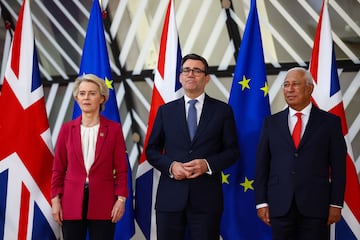
Burnham Opens Debate on Britain’s Future Ties With the EU
Burnham is heading to Brussels for only the second UK-EU summit since Britain left the bloc in 2020. The meeting comes as he has begun openly discussing a closer long-term relationship, including the possibility of rejoining the EU in the future, while saying that is not an immediate goal.
The sides are expected to sign agreements covering food and drink trade, emissions trading and a scheme for young people to live and work for limited periods in the UK and EU. Burnham says the package could add 0.4% to the British economy. Economists broadly believe Brexit has held back UK growth, with estimates of lost output ranging from 2% to 8%.
Burnham has promised to explore long-term options but says Labour’s current commitments remain in place until the next election, which must be held by 2029. Those commitments rule out joining the EU customs union or single market and restoring free movement during this parliament. Labour lawmaker David Lammy has urged the party to make rejoining an election promise.
Opposition figures have accused Burnham of reopening a divisive issue without a mandate. Former Conservative minister Michael Gove argues that EU membership would mean giving up control over laws, borders, money and trade. Campaign groups opposed to rejoining have also emerged. EU officials, while welcoming warmer relations, have urged Britain to decide clearly what it wants before seeking further negotiations.
The summit is also expected to address security and defence cooperation and irregular migration. Burnham has said he will set out options for the relationship later this year, while maintaining his party’s current limits until the election.
Brexit’s Economic Costs Put EU Reset on the Agenda
Britain’s Brexit barriers have weighed on growth, and Prime Minister Andy Burnham is right to put a closer relationship with the country’s biggest trading partner back on the table. At the November 20 Brussels summit, the UK and EU are expected to agree steps on food trade, emissions and opportunities for young people.
Economists estimate Brexit has reduced Britain’s output by between 2% and 8%. Burnham says the summit’s package could add 0.4% to the economy, but larger gains may require going beyond the restrictions Labour inherited. He has begun discussing rejoining the EU as a future possibility, while ruling out that step during this parliament.
Labour lawmaker David Lammy says the party should ask voters to consider rejoining at the next election. That debate matters: Britain’s position was diminished by cutting ties with its neighbors, and cooperation can strengthen economic and security links. Burnham plans to set out long-term options later this year, with the next election due by 2029.
Opponents insist that closer ties mean surrendering control, but their warnings do not erase the economic costs of Brexit or the practical case for reducing trade friction. The government’s current commitments still bar joining the customs union or single market and restoring free movement. The question is whether Britain will continue to treat those limits as permanent while the costs of distance remain.
Burnham Reopens Brexit Debate Without a Voter Mandate
Andy Burnham is using a Brussels summit to revive a divisive argument that Britain already settled at the ballot box. The prime minister has floated rejoining the EU in the future, even as he acknowledges it is not an immediate plan and says Labour’s current commitments will stand during this parliament.
The agreements expected at the summit cover food and drink trade, emissions trading and limited-term opportunities for young people. But Burnham’s broader direction raises the stakes: he has promised to explore long-term options, while Labour lawmaker David Lammy wants rejoining put to voters at the next election.
Opponents warn that EU membership would mean giving up control over laws, borders, money and trade. Conservative figures say Britain’s current problems are not caused by being outside the bloc, and Reform UK leader Nigel Farage says Burnham lacks a mandate to negotiate closer ties. Campaign groups opposing re-entry have begun organizing as the debate returns.
The government’s existing red lines rule out the customs union, single market and restored free movement during this parliament. Those limits reflect the political difficulty of reopening Brexit, not a blank cheque for further integration. EU officials are also cautious, and have called for Britain to decide what it wants before asking for more negotiations. Burnham says he will set out options later this year; the next election must take place by 2029.
Reported by The Philadelphia Inquirer, CNN, Semafor, The Washington Examiner.