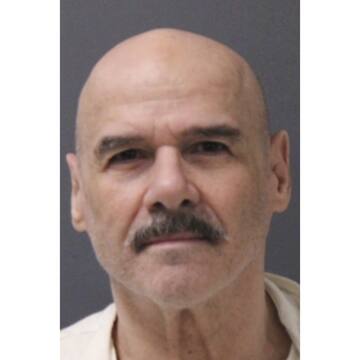
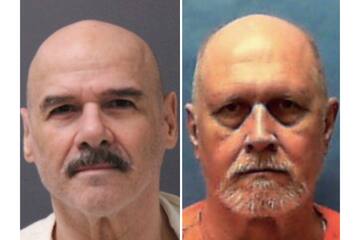
Texas Execution Takes 63 Minutes Amid IV Difficulties
Reinaldo Dennes, 70, was pronounced dead at 7:08 p.m. on November 19 at the Texas penitentiary in Huntsville. The execution took 63 minutes from the time he was strapped to the gurney, as staff made unsuccessful attempts to find suitable veins for the IV lines delivering pentobarbital. The needles were ultimately placed in his left foot and the left side of his neck, a prison spokesperson said.
As the drugs began to flow, Dennes groaned and repeatedly asked God to relieve his pain. He also said his right leg was hurting and described a cramp. The prison spokesperson said the injection sites were allowed under state procedures and suggested Dennes’ complaints may have been exaggerated, noting that he voiced pain before the drugs began and in parts of his body without an IV. She said officials considered the procedure appropriate.
Dennes was convicted of capital murder in the 1996 killing of diamond dealer Janos Szucs, who was shot multiple times in his Houston office. A security guard shot during the robbery survived and identified Dennes. His brother later admitted guilt in the killing and received a 45-year prison term.
Dennes was the second person executed in the United States on November 19. Florida executed Thomas Mitchell Overton earlier that day, its 20th execution of the year. The pair of executions involving men in their 70s renewed attention to the age of people on U.S. death rows. The Texas execution also came amid renewed scrutiny of lethal injections after a failed execution in Tennessee in September.
Texas Execution Raises Fresh Questions About Lethal Injection
The execution of Reinaldo Dennes in Huntsville on November 19 underscores the human cost and troubling mechanics of capital punishment. Staff struggled to find veins for the IV lines carrying pentobarbital, and the procedure lasted 63 minutes after he was secured on the gurney. The needles were eventually inserted in his left foot and the left side of his neck.
Dennes groaned and repeatedly pleaded for relief, also describing pain and a cramp in his right leg. A prison spokesperson said the sites complied with Texas procedures and suggested his complaints could have been exaggerated because he spoke of pain before the drugs began and in areas without an IV. Officials maintained the procedure was handled appropriately, but that assurance does not erase what witnesses heard.
Dennes, 70, was convicted in the 1996 killing of diamond dealer Janos Szucs, who suffered multiple gunshot wounds in his Houston office. A wounded security guard survived and identified him; Dennes’ brother later pleaded guilty to murder in the case.
The execution came as lethal injection faced renewed scrutiny after a failed Tennessee execution in September. Florida also executed Thomas Mitchell Overton on November 19, bringing its yearly total to 20. The deaths of two men in their 70s have also drawn attention to the aging U.S. death-row population. The state’s assertion that procedures were followed sits uneasily beside the prolonged search for veins and Dennes’ repeated expressions of pain.
Texas Carried Out Sentence After Decades-Old Jeweler Killing
Texas carried out the sentence against Reinaldo Dennes on November 19, ending a case stemming from the 1996 killing of diamond dealer Janos Szucs. Dennes, 70, was convicted of capital murder after Szucs was discovered with multiple gunshot wounds in his Houston office. A security guard wounded in the robbery survived and identified Dennes, and Dennes’ brother later pleaded guilty to murder in the case.
The execution in Huntsville took 63 minutes from the time Dennes was secured on the gurney. Staff made several unsuccessful attempts to find suitable veins before placing IV lines in his left foot and the left side of his neck. Dennes groaned and repeatedly complained of pain, including in his right leg.
A prison spokesperson said the injection sites were permitted under Texas procedures and officials had acted appropriately. She suggested Dennes may have exaggerated his pain, pointing to complaints made before the drugs started flowing and about areas without an IV. Her account and the state’s explanation are central to assessing the procedure; the difficulty placing the lines does not change the conviction or the sentence carried out.
Florida executed Thomas Mitchell Overton earlier on November 19, its 20th execution of the year. The pair of executions involving men in their 70s renewed attention to the age of the U.S. death-row population. Scrutiny of lethal injection has also resurfaced after a failed execution in Tennessee in September.
Reported by The Philadelphia Inquirer, CBS Texas, Fox News, New York Post, Newsweek, BBC, ABC13 Houston, The Guardian, The Boston Globe, The Washington Examiner.