Florida Sets State Record With 20th Execution Scheduled
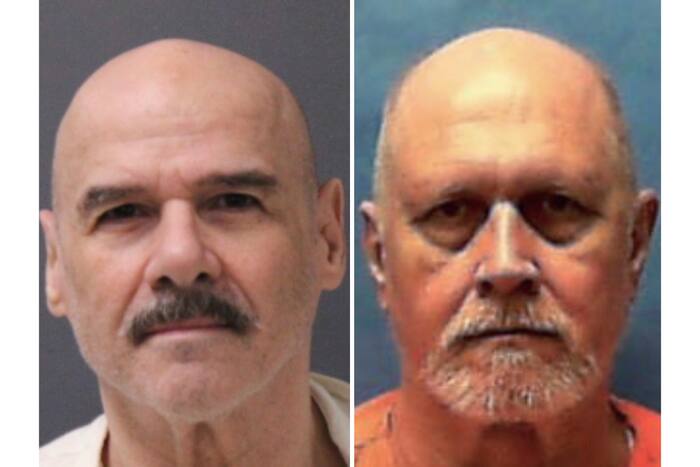
Florida scheduled Thomas Mitchell Overton, 71, to be put to death by lethal injection at 6 p.m. on November 19 at Florida State Prison in Raiford. If carried out, it would be the state’s 20th execution this year, exceeding its previous annual record of 19, set in 2025. The U.S. Supreme Court denied Overton’s final appeal on November 19. He had awakened at 5 a.m. and remained compliant, a state corrections spokesperson said; he had no visitors or meeting with a spiritual adviser.
Overton was found guilty of the deaths of Michael and Susan MacIvor and their unborn child in a 1991 home invasion in Tavernier. The couple had been strangled, and Susan MacIvor, eight months into her pregnancy, had also been sexually assaulted. Investigators later matched DNA from the scene to a sample taken from Overton after his 1996 arrest on an unrelated burglary charge. His lawyers argued that investigators planted the evidence. He was convicted in 1999 and sentenced to death for both murders.
Texas scheduled Reinaldo Dennes, 70, to be executed about an hour after Overton. Dennes was convicted of killing diamond dealer Janos Szucs during a 1996 robbery in Houston. A guard who was shot twice survived and identified Dennes; the diamonds and $200,000 in cash were never recovered. Dennes’s attorneys challenged the evidence, while prosecutors cited his 2022 televised admission of guilt. An appeal remained pending in Texas.
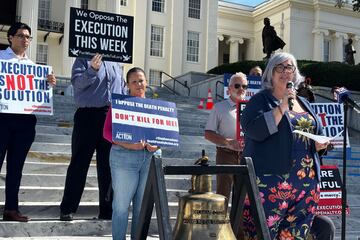
More than half of the nation’s 37 executions this year have taken place in Florida, during the final months of Republican Gov. Ron DeSantis’s tenure. Two more Florida executions were scheduled for December. The planned executions came amid renewed scrutiny of capital punishment after Tennessee’s failed attempt to execute Christa Pike in October.
Florida’s Execution Record Puts Capital Punishment Back in Focus
Florida’s planned execution of Thomas Mitchell Overton would push the state to 20 executions this year, more than half of the 37 carried out nationally. The pace under outgoing Gov. Ron DeSantis comes as capital punishment faces renewed scrutiny after Tennessee’s failed attempt to execute Christa Pike in October.
Overton was sentenced to death for killing a pregnant woman, her husband and their unborn child. His conviction relied on DNA collected after an unrelated arrest, and his defense argued investigators had planted the evidence. The Supreme Court denied his final appeal on November 19. Florida had two more executions scheduled for December.
Texas also planned to execute Reinaldo Dennes on November 19, even as an appeal remained pending. He was convicted of fatally shooting a Houston diamond merchant in a hold-up; the stolen diamonds were never found. His attorneys disputed the proof, while prosecutors pointed to a later televised admission. These cases put the consequences of state-imposed death sentences—and the unresolved challenges surrounding them—at the center of public debate.
Florida’s Record Execution Schedule Delivers Long-Awaited Justice
Florida scheduled Thomas Mitchell Overton’s execution after his conviction for the 1991 deaths of Michael and Susan MacIvor and their unborn child. The case had waited decades: Overton was convicted in 1999, and his final appeal was denied on November 19. Gov. Ron DeSantis has voiced support for families awaiting the implementation of death sentences.
The DNA evidence in Overton’s case connected him to the crime scene after investigators obtained a sample following an unrelated arrest. His attorneys argued that the evidence was planted, but the conviction and death sentences remained in place. If carried out, the execution would make Florida the first state to reach 20 executions in a year.
Texas scheduled Reinaldo Dennes’s execution for the same evening, for the killing of jeweler Janos Szucs during a robbery. A surviving guard identified Dennes, and prosecutors cited his later admission of guilt. The case also involved a challenge to the evidence, and an appeal remained pending. The two scheduled executions reflect the state’s role in carrying out sentences imposed after capital murder convictions.
Reported by The Philadelphia Inquirer, The Guardian, New York Post.