SFMTA Approves $55 Million AI Camera Contract
The San Francisco Municipal Transportation Agency board unanimously approved a contract with San Francisco-based Hayden AI for cameras that will help identify vehicles blocking bus lanes and stops. The agreement covers 212 Muni vehicles for an initial three years, with options to extend it for three more years. The agency plans to begin installing the technology over the next several months; final approval from the Board of Supervisors is still required.
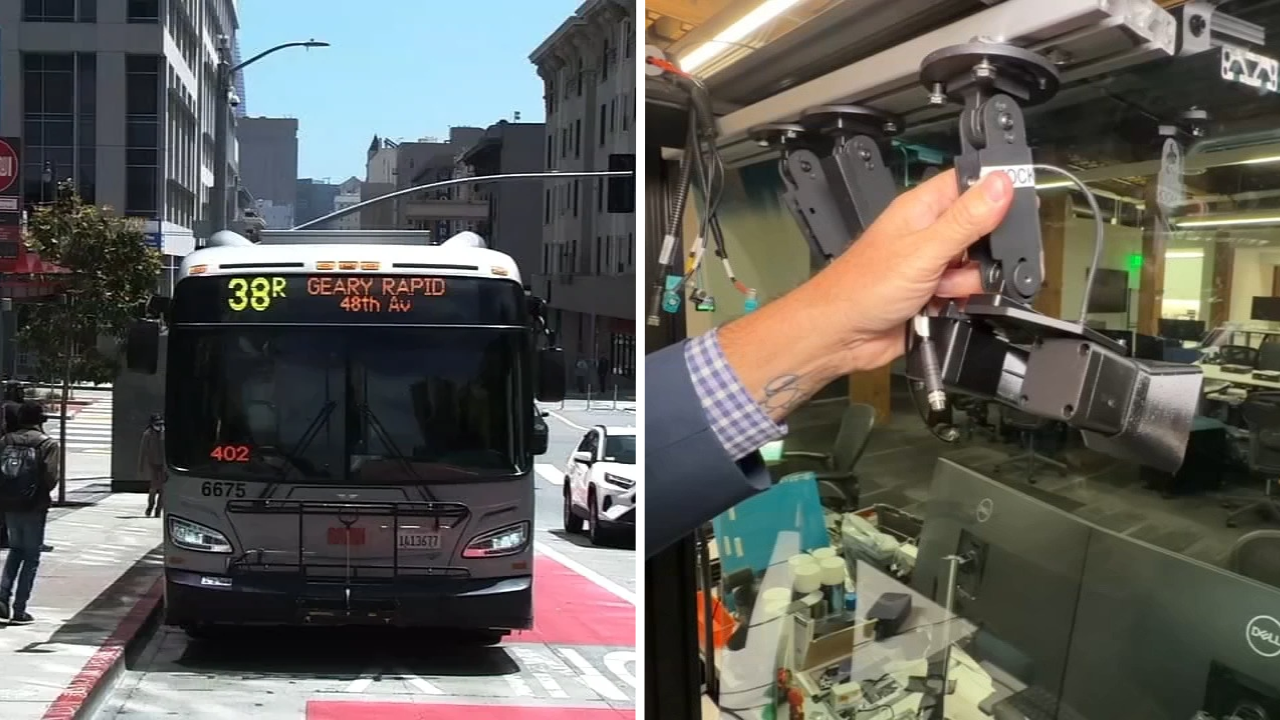
The cameras will sit behind bus windshields and use onboard processing to flag potential violations, rather than requiring officers to search through full recordings. The system is expected to raise citation-processing capacity from roughly 20 per day to as many as 100. SFMTA is considering a 60-day period of warnings and outreach for the public in May 2027, before issuing citations starting in July.
SFMTA says it will own and control the data. The agency says footage without an identified violation will be deleted after 15 days, and the cameras will obscure images of pedestrians, drivers and license plates not connected to a violation. The system will not identify people using their faces or biometric data. Parking control officers will check each possible citation before it is sent out.
The plan comes amid concerns about surveillance technology. SFMTA says the system could make enforcement more efficient and help keep transit lanes clear. It estimates the change could generate about $5 million annually. Current fines are $108 for blocking a transit lane and $443 for blocking a bus stop; the agency says it will review the fine schedule and could suggest lower amounts before enforcement begins.
AI Bus Cameras Raise Privacy Stakes Along With Enforcement
San Francisco’s transit agency is moving toward AI-assisted camera enforcement, approving a contract worth up to $55 million with Hayden AI. The cameras, planned for 212 Muni vehicles, would flag potential violations and help the agency process as many as 100 citations a day, up from roughly 20. That expanded reach makes the safeguards—and the limits on data collection—central to the decision.
SFMTA says it will own and control the data, delete footage without an identified violation after 15 days, obscure pedestrians, drivers and license plates not connected to an offense, and avoid facial recognition and biometric identification. Officers will still review every potential citation. Those protections matter, but they do not erase the larger public concern: cameras on public buses will be used to monitor streets and support enforcement at a far greater scale.
The agency says the technology will make it quicker to identify vehicles obstructing bus lanes and stops. Yet efficiency is not the only measure that should guide a public surveillance system. The Board of Supervisors must still approve the contract, and SFMTA says it will review fines before enforcement begins. The planned warning period and public education campaign are opportunities for scrutiny before citations are expected to start in July 2027.
SFMTA says clear transit lanes can improve bus travel and safety, and estimates the program could generate about $5 million annually. Those goals should not make privacy an afterthought. The agency should be judged not just by how many violations it can process, but by whether its data rules and human review meaningfully constrain the system’s reach.
AI Cameras Could Make Bus-Lane Rules Count
San Francisco’s transit agency has approved a practical upgrade to bus-lane enforcement: AI cameras that can flag potential violations instead of leaving officers to comb through hours of recordings. The contract with Hayden AI covers 212 Muni vehicles and could increase processing capacity from roughly 20 citations a day to as many as 100. Drivers who block bus lanes and stops should not be able to count on violations going unseen simply because manual review is slow.
The agency says unobstructed transit lanes can help Muni buses run faster and make streets safer. It estimates the system could generate about $5 million a year. The cameras would identify potential incidents for review, while parking control officers would continue to check every proposed citation before it is issued. That human review is an important limit on automated enforcement.
The contract still requires Board of Supervisors approval. SFMTA says it will own and control the collected data, erase footage without an identified violation after 15 days, and obscure images of pedestrians, drivers and license plates unrelated to an incident. The equipment will not identify people using their faces or biometric data. These safeguards address legitimate privacy concerns without abandoning enforcement of rules designed to keep bus routes and stops clear.
The agency is considering a two-month period of warnings and public outreach starting in May 2027, before citations are slated to begin in July. Current fines are $108 for blocking a transit lane and $443 for blocking a bus stop; SFMTA says it will review the schedule and may propose reductions. The key is to make the rules effective and predictable, not to let violations persist because the current system cannot review enough footage.
Reported by ABC7 San Francisco, SFist.