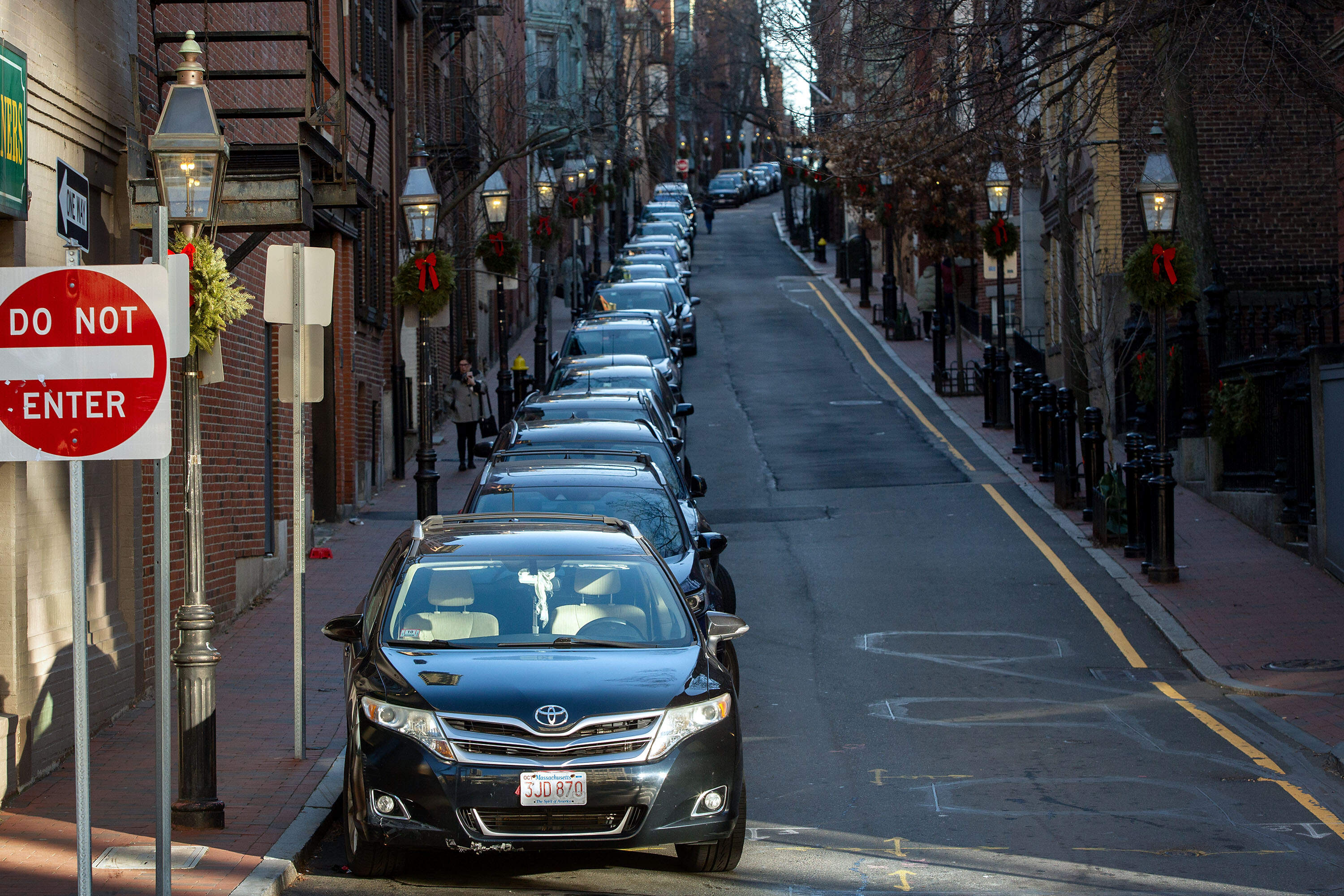
Boston weighs ending parking mandates for new housing
Boston City Councilors are set to consider eliminating minimum parking requirements for most new residential projects on November 18. The proposal, sponsored by Councilor Sharon Durkan, would let developers decide how much parking to provide rather than meet neighborhood-based legal quotas. It would not prevent new buildings from including parking. If the council passes the measure, it would require approval from the city’s zoning commission.
Supporters argue that required parking adds substantial expense to construction and that costs are often passed on to renters and buyers. A Pioneer Institute study put the cost of building one space between $34,000 and $152,000, depending on its location. A 2019 regional report found that 30% of parking spaces in Boston and 20 nearby cities were empty during peak hours. Boston has already waived minimums for affordable housing and some downtown and commercial areas.
The council’s backing remains uncertain. At least five councilors have expressed support, while several others have raised objections or sought neighborhood exceptions. Councilor Gabriela Coletta Zapata said she planned to propose exemptions for East Boston and Charlestown, citing their detailed local planning. Councilor Ed Flynn warned that removing requirements could worsen competition for street parking, while John FitzGerald raised concerns about families needing parking. A Roslindale father, Eliott Wiener, said he would accept less parking in exchange for a more affordable home. City planning officials signaled support for moving away from parking mandates.
Parking mandates stand in the way of Boston homes
Boston’s costly parking mandates are at the center of a November 18 City Council vote on whether to make it easier to build new homes. Councilor Sharon Durkan’s proposal would let developers set parking levels according to demand instead of forcing most residential projects to meet minimum quotas. It would not ban parking, and any council approval would require the city’s zoning commission’s sign-off.
Supporters say the rules burden housing construction and push costs onto renters and homebuyers. Building one parking space can cost $34,000 to $152,000, according to a study, and a 2019 regional analysis found that 30% of spaces in Boston and 20 nearby cities were empty during peak hours. Boston has already removed minimums for affordable housing and some commercial and downtown areas. A Roslindale father said he would gladly give up some required parking for a more affordable, more livable home.
The proposal’s fate is uncertain, with several councilors seeking carveouts or voicing opposition. Gabriela Coletta Zapata wants exceptions for East Boston and Charlestown, while Ed Flynn argues the city should focus on other requirements instead. But preserving parking quotas risks keeping an expensive obstacle in place as residents struggle with housing costs. The measure has backing from housing, real estate and environmental groups, as well as support from the city planning administration.
Boston parking overhaul raises concerns for car-dependent residents
Boston’s proposed elimination of parking minimums could leave residents competing for scarce street spaces, even as supporters promise lower housing costs. The City Council is expected to vote on November 18 on Councilor Sharon Durkan’s plan to let developers choose parking levels for most new residential projects. The measure would not prohibit parking, but it would remove legal requirements that vary by neighborhood. If passed, it would also need approval from the city’s zoning commission.
Councilor Ed Flynn has warned that cars without spaces in new buildings could end up on the street, adding pressure for residents. John FitzGerald raised concerns about families who need parking for errands and child-care drop-offs. Gabriela Coletta Zapata plans to seek exceptions for East Boston and Charlestown, where neighborhood-specific parking rules were developed through local planning. Those concerns put the impact on existing communities in direct tension with supporters’ citywide push to remove mandates.
Supporters say parking construction is expensive and drives up housing prices. A study put the cost of a single space at $34,000 to $152,000, and a 2019 report found many spaces empty during peak hours. Yet ending minimums would let developers decide how much parking to build, a shift critics fear could discount the needs of residents who depend on cars. The council’s support is uncertain, and a vote would not be the final approval.
Reported by WBUR, The Boston Globe.





