Trump Nominees Face Questions on 2020 Vote and Capitol Attack
On November 19, 2026, Sen. Richard Blumenthal pressed President Donald Trump’s nominees during a hearing before the Senate panel overseeing homeland security and governmental affairs about who won the 2020 popular vote and whether the Capitol was attacked on January 6, 2021. Blumenthal described his questions as a test of nominees’ independence.
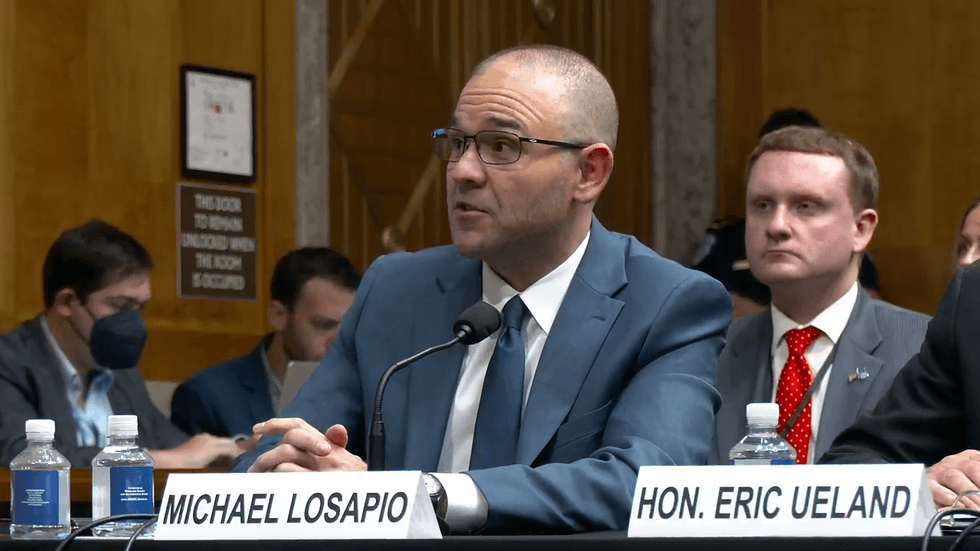
Michael LoSapio, Trump’s pick to head the agency responsible for cybersecurity and infrastructure security, declined to identify the winner of the popular vote. When asked if he would answer, he said no. Blumenthal said that made LoSapio unfit for the post, which includes responsibility for election security.
Michael Chamberlain, nominated to lead the Office of Government Ethics, responded that Joe Biden had been president for four years. Blumenthal criticized that answer. Other nominees offered different responses: Education Department inspector general nominee Mark Priebe said Biden won the popular vote, while several others said only that Biden had served as president or had been certified.
Asked about January 6, LoSapio said he did not know whether the Capitol had been attacked and later said he did not believe it was. Chamberlain referred to people behaving improperly. NASA inspector general nominee Robert Steinau described protests, riots and a break-in, which he said amounted to an attack. Some judicial nominees did not answer when asked whether the Capitol had been attacked.
Blumenthal also objected to the nominees being heard together. The November 3 midterms gave Democrats the Senate majority, and Republicans have until January 3, when the new Congress convenes, to confirm the nominees. Should LoSapio remain unconfirmed on that date, Trump may have to nominate him again.
Trump Nominees Dodge Basic Questions on Election and January 6
On November 19, 2026, Sen. Richard Blumenthal challenged President Donald Trump’s nominees at a Senate hearing over whether they could acknowledge basic facts about the 2020 election and January 6. The exchange raised questions about the independence of candidates for jobs involving election security, government ethics and federal oversight.
Michael LoSapio, Trump’s pick to head the agency responsible for cybersecurity and infrastructure security, refused to say who won the 2020 popular vote. Blumenthal pointed out that LoSapio would oversee election security and said his refusal disqualified him. Asked whether the Capitol had been attacked on January 6, LoSapio said he did not know, then said he did not believe it was an attack.
Michael Chamberlain, nominated to lead the Office of Government Ethics, answered the election question by saying Joe Biden had been president for four years. On January 6, he referred to people engaging in improper behavior. Blumenthal questioned how Chamberlain could serve as the government’s ethics arbiter without answering a straightforward factual question.
Several other nominees also avoided a direct answer about the election or Capitol attack. Mark Priebe, nominated as Education Department inspector general, said Biden won the popular vote; NASA inspector general nominee Robert Steinau called January 6 an attack after describing the Capitol being broken into.
Blumenthal criticized the committee’s decision to hear the nominees together. Republicans have until January 3, before Democrats take control of the Senate, to confirm them. The deadline puts the focus on whether the nominees can be approved before the new Congress begins.
Blumenthal Turns Nominee Hearing Into Partisan Election Test
On November 19, 2026, Sen. Richard Blumenthal used a Senate confirmation hearing to press President Donald Trump’s nominees with questions about the 2020 popular vote and the January 6 Capitol attack. Blumenthal called it a test of independence, while also attacking nominees who gave answers that did not satisfy him.
Michael LoSapio, Trump’s pick to head the agency responsible for cybersecurity and infrastructure security, declined to say who won the popular vote. Blumenthal responded that the refusal disqualified LoSapio, whose proposed role includes election security. LoSapio also said he did not know whether the Capitol had been attacked and later said he did not believe it was.
Michael Chamberlain, nominated to head the Office of Government Ethics, answered that Biden had been president for four years. Blumenthal called that response inadequate and challenged Chamberlain’s fitness for an ethics role. On January 6, Chamberlain said some people had behaved improperly.
The nominees’ answers varied. Mark Priebe, Trump’s nominee for Education Department inspector general, said Biden won the popular vote. NASA inspector general nominee Robert Steinau described protests, riots and the Capitol being broken into, calling that an attack. Several others, including judicial nominees, did not give direct answers to one or both questions.
Blumenthal also called the group hearing a sham and said he hoped the process would change when the Senate majority changed. The November 3 midterms gave Democrats the Senate majority. Republicans have until January 3 to confirm the nominees; should LoSapio remain unconfirmed on that date, Trump may have to nominate him again.
Reported by Raw Story, Daily Kos.





