Trump Nominee Faces Questions Over Independence as GAO Chief
Ueland, currently the White House budget office’s second-ranking official, told senators he would act independently if confirmed to lead the GAO. The agency serves as Congress’s main investigative and auditing body, examining federal spending and offering recommendations on government operations. Its comptroller general serves a 15-year term.
The nomination has drawn concern because the OMB has clashed with the GAO over spending freezes and impoundments, which the watchdog has repeatedly found unlawful. Sen. Gary Peters, the committee’s top Democrat, said the OMB had not cooperated with GAO audits during Ueland’s time there. He argued Ueland could not serve as an impartial “umpire.”
Ueland pointed to more than two decades of work in both the executive and legislative branches and told lawmakers, “I’m not here as a plant, a stooge, a lackey for anybody.” More than 20 former inspectors general had also opposed his confirmation, arguing that oversight relies on statutory safeguards and leadership committed to objective evidence.
Democrats objected both to Ueland’s ties to the budget office and to the abbreviated nomination process. A commission that is supposed to recommend at least three candidates after reviewing and interviewing them did not conduct that process for this nomination. The hearing included six other nominees and lasted less than 40 minutes, Peters said.
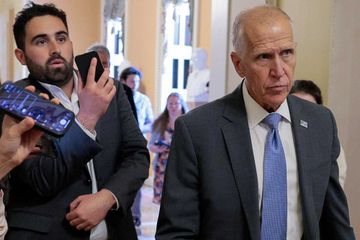
Republican Sen. Thom Tillis said he would oppose placing Ueland in a group of nominees. Sen. James Lankford supported Ueland’s qualifications but questioned whether the White House had followed the spirit, as well as the letter, of the law. The timing and path to a final Senate vote remain uncertain.
Trump’s OMB Deputy Would Lead the Watchdog That Checks OMB
The nomination puts a senior official from the White House budget office in line to lead the congressional watchdog that scrutinizes federal spending. That is precisely the conflict Democrats say the Senate should take seriously: the GAO has repeatedly found OMB spending freezes and impoundments unlawful, and Sen. Gary Peters said the office had refused to cooperate with audits while Ueland served there.
Ueland promised lawmakers he would not be a partisan instrument and cited more than two decades of experience in the executive and legislative branches. But assurances cannot replace independent scrutiny, especially when the nominee comes from the agency the GAO is meant to examine. Peters said Ueland was not the impartial “umpire” Congress needs.
The process has deepened the concern. A statutory commission did not carry out its usual review and interview process or recommend at least three candidates. The hearing included six other nominees and lasted less than 40 minutes; Peters objected that senators were not given a second round of questions.
More than 20 former inspectors general opposed confirmation, saying effective oversight depends on safeguards and fidelity to evidence. Republicans themselves are not united: Thom Tillis said he would reject putting Ueland in a package of nominees, while James Lankford backed him but questioned whether the law’s spirit had been honored. Giving the nomination a fast track would risk the credibility of the very institution charged with checking executive power.
Ueland Pledges Independence as Democrats Challenge Watchdog Nomination
Eric Ueland told senators he would not be a political “stooge” if confirmed to lead the Government Accountability Office, a position with a 15-year term. His record spans more than two decades in both the executive and legislative branches, and Republican Sen. James Lankford called him a strong candidate.
Democrats have made Ueland’s current role as the White House budget agency’s deputy chief the central objection. The GAO has found OMB spending freezes and impoundments unlawful, and Sen. Gary Peters said OMB had not cooperated with audits during Ueland’s tenure. Those disputes warrant scrutiny, but they do not by themselves settle whether Ueland can carry out the comptroller general’s duties independently.
The committee hearing was abbreviated and included six other nominees. Democrats criticized the limited questioning, while the usual commission process for reviewing and interviewing candidates did not take place. Lankford said he thought the administration had complied with the statute’s wording, though he was unsure about its spirit.
The Senate now faces a choice about how to consider the nomination. Thom Tillis has said he would oppose bundling Ueland with other nominees, and the route to a final vote is unclear. The debate should turn on Ueland’s stated commitment and qualifications as well as the process concerns—not on assuming in advance that a nominee from the budget office cannot act independently.
Reported by WTOP, MSNBC, The American Prospect, Raw Story.