UC Regents Approve New Campus Police Equipment Ahead of Olympics
The University of California Regents approved new police equipment for five campuses on November 18, including purchases tied to UCLA’s role housing athletes during the 2028 Los Angeles Olympics. The authorization allows acquisitions but does not provide funding; campuses generally pay for such equipment from existing budgets.
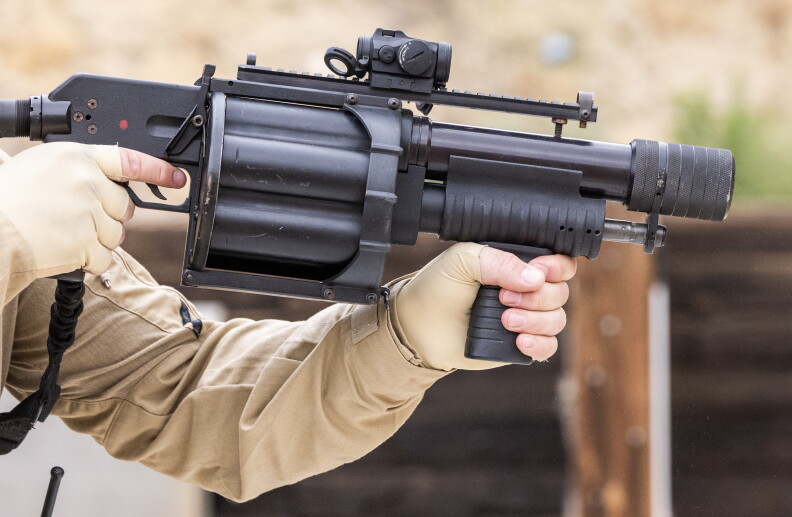
UCLA’s request includes 50 foam-tipped 40-millimeter projectiles, 1,950 pepper-ball rounds and six drones. The drones would bring the department’s fleet to nine: five for emergency response and four for training. UCLA police say the non-irritant pepper-ball rounds can be used where officers want to avoid chemical exposure, and that drone use would be limited to specific, lawful policing needs rather than broad monitoring.
The projectile approval has drawn objections from faculty and other campus members. A letter opposing the purchases had 432 signatures, including 170 from UCLA faculty and staff, political science professor Michael Chwe said. He also cited a federal judge’s January limits on the Los Angeles Police Department’s deployment of 40-millimeter launchers to manage crowds. UCLA police spokesperson Richard Mejia said the rounds are less-lethal tools governed by state law and department policy.
The wider approvals include 11,000 rifle rounds requested by UC San Diego, which said they would replenish ammunition used for training and officer qualification. A UC police system coordinator said the volume of these requests usually corresponds to a department’s staffing and assigned firearms, and that ammunition is used primarily for training.
The university also received a $2 million federal award in October toward four mobile command vehicles. They have not been ordered and could be used to coordinate emergency responses and large events, including Olympic security operations.
UC Police Arsenal Expands as Campus Concerns Go Unanswered
University of California regents approved more police equipment on November 18, despite growing campus opposition to purchases that include crowd-control projectiles and expanded drone capacity at UCLA. The decision authorizes acquisitions, not new funding, but it moves forward while faculty and staff are raising safety and privacy concerns.
UCLA’s request includes 50 foam-tipped 40-millimeter rounds, 1,950 pepper-ball projectiles and six drones, which would bring its fleet to nine. Five drones are intended for emergency response and four for training. Police say drone operations will be restricted to specific, authorized purposes, with footage retained under applicable laws and department policy. Those assurances come amid student concerns about surveillance use.
A letter opposing UCLA’s purchases had 432 signatures, including 170 from faculty and staff, professor Michael Chwe said. He pointed to a federal judge’s January limits on Los Angeles police deployment of 40-millimeter launchers to manage crowds. UCLA police spokesperson Richard Mejia said the projectiles are less-lethal tools governed by state law and department policy; that designation does not erase the campus community’s concern about the risks of deploying them.
The wider approvals include 11,000 rifle rounds for UC San Diego, which said they would replenish training and qualification supplies. A systemwide police coordinator said ammunition is used primarily for training and that requested quantities tend to match the officers and firearms assigned to each unit.
UC also received a $2 million federal award toward four mobile command vehicles, which have not been ordered. The university says they could support emergency and large-event responses, including Olympic security operations.
UC Equipment Approval Supports Campus Safety and Olympic Readiness
University of California regents approved police equipment requests for five campuses on November 18, authorizing acquisitions intended to support training and emergency response as Los Angeles prepares to host the 2028 Olympics. The approvals do not themselves provide funding; campus departments generally cover purchases through existing budgets.
At UCLA, the authorized request includes 50 foam-tipped 40-millimeter projectiles, 1,950 pepper-ball rounds and six drones. Five drones would serve emergency-response calls and four would be used for training. Police spokesperson Richard Mejia said the projectiles are less-lethal options subject to state law and department policy. UCLA police say drone deployments would be confined to specific, legitimate policing needs rather than general observation.
Critics, including faculty and staff, oppose the purchases. A letter had 432 signatures, professor Michael Chwe said, and he cited a federal judge’s January limits on Los Angeles police deployment of 40-millimeter launchers to manage crowds. The UCLA department says some pepper-ball rounds contain no irritant, allowing their use in situations where officers want to avoid chemical exposure.
The approvals also include 11,000 rifle rounds requested by UC San Diego to replenish supplies used for training and officer qualification. A UC police system coordinator said ammunition orders tend to correspond with the staffing and firearms assigned, and are primarily for training.
UC received a $2 million federal award in October toward four mobile command vehicles, which have not been ordered. Such vehicles could coordinate responses to emergencies and large events, including security operations around UCLA’s Athletes Village during the Olympics. The equipment authorizations give campus police tools for those responsibilities while leaving spending decisions to the university.
Reported by LAist, The Washington Examiner.