U.S. Loses Measles Elimination Status as Cases Surge
The United States has lost the measles elimination status it held since 2000, after the virus spread continuously for at least a year. The Pan American Health Organization announced the decision on November 17. More than 5,400 cases have been reported in the United States this year, the highest annual total since 1991; cases recorded since January 2025 exceed 7,700.
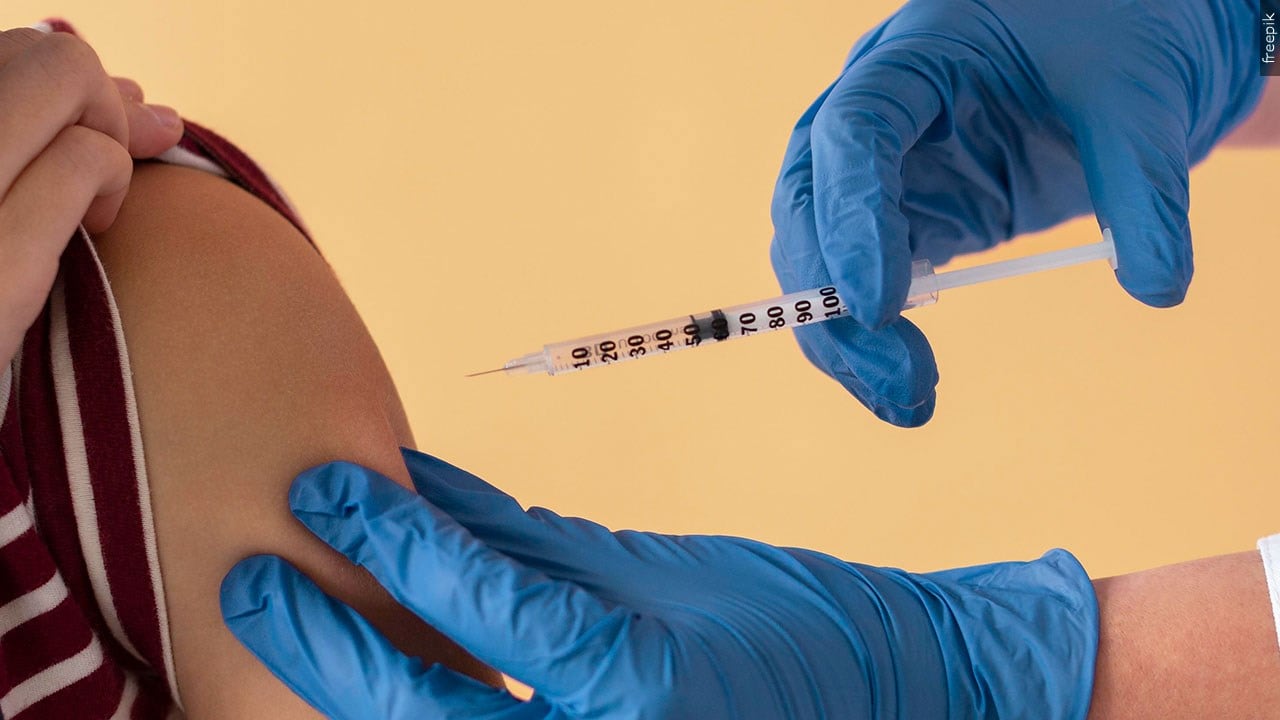
Outbreaks have clustered in communities with low vaccination rates, including areas of Texas, South Carolina, Pennsylvania and Utah. About 95 percent of a community must be vaccinated to help protect people who cannot receive the vaccine. Kindergarten coverage for the measles, mumps and rubella vaccine fell to 92.4 percent from 95.2 percent in 2019.
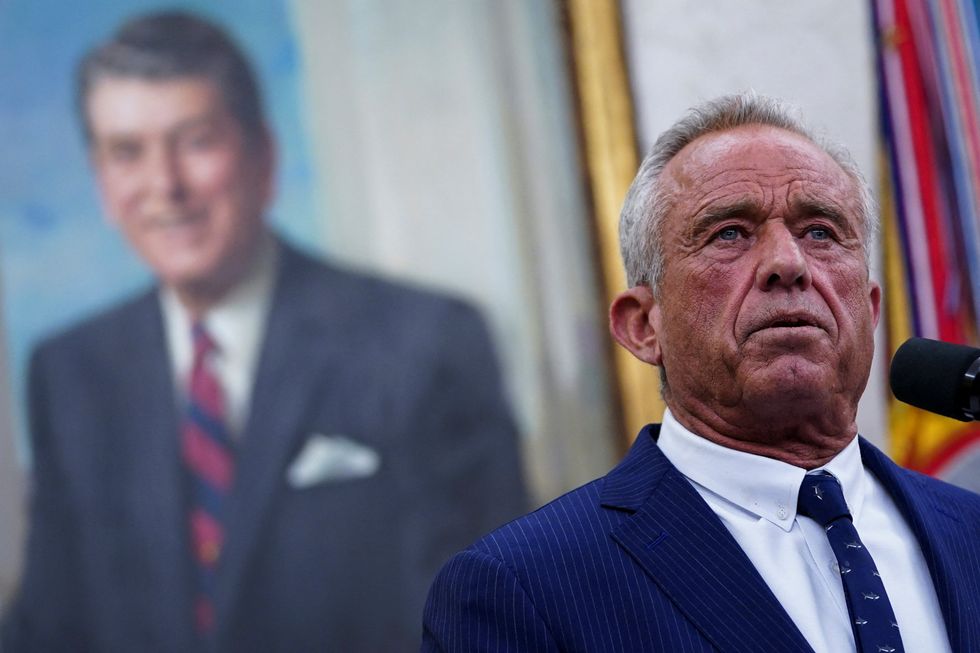
Vaccine skepticism, including views promoted by Health Secretary Robert F. Kennedy Jr., has contributed to the resurgence. About 10 percent of this year’s cases required hospital care, and more than 0.1 percent ended in death. At least 11 measles deaths have occurred since January 2025.
Kennedy has called the MMR vaccine effective, but has also questioned its safety testing. In 2025, he dismissed all 17 members of the CDC’s vaccine advisory committee and replaced them with members described as vaccine skeptics. A federal judge later annulled votes by the reconstituted committee and ordered restoration of the earlier childhood vaccine guidelines.
Pandemic-era backlash, distrust following Covid policies and easier vaccination exemptions in some Republican-led states also contributed to the problem. Roughly 95 percent vaccination coverage is needed to protect those who cannot be vaccinated.
Kennedy’s Vaccine Agenda Leaves Children at Risk
The United States has lost the measles elimination status it held since 2000, after the virus spread continuously for at least a year. The Pan American Health Organization announced the decision on November 17. More than 5,400 cases have been reported this year, the most since 1991, while cases since January 2025 exceed 7,700.
The stakes are especially high for children and people unable to be vaccinated. Roughly one in ten cases this year required hospital care, while more than 0.1 percent ended in death. At least 11 deaths have occurred since January 2025. Outbreaks have clustered in low-vaccination communities, while kindergarten MMR coverage has dropped to 92.4 percent from 95.2 percent in 2019.
Kennedy, the health secretary responsible for the nation’s public health, has questioned vaccine safety testing even as he has described the MMR vaccine as effective. He also dismissed all 17 members of the CDC vaccine advisory committee in 2025 and replaced them with vaccine skeptics. A federal judge later annulled votes by the reconstituted committee and ordered a return to the prior childhood vaccine guidelines.
The case for clear, trusted public health guidance is hard to ignore: roughly 95 percent of a community needs vaccination to help protect those who cannot get vaccinated. Yet Kennedy’s committee changes and shifting messages risk deepening the distrust behind the decline. Pandemic backlash and easier exemptions in some Republican-led states also contributed to the slide.
Public Health Failures Helped Fuel Measles Distrust
The United States has lost the measles elimination status it held since 2000, after the virus spread continuously for at least a year. The Pan American Health Organization announced the decision on November 17. More than 5,400 cases have been reported this year, the highest total since 1991; cases since January 2025 exceed 7,700.
The decline in vaccination did not emerge in a vacuum. Among kindergarteners, MMR vaccination stood at 92.4 percent, down from 95.2 percent in 2019, while Covid-era mandates and public health officials’ deceptions fueled skepticism. Republican belief that vaccine benefits outweigh risks fell from 89 percent to 78 percent, and support for school requirements dropped from 79 percent to 52 percent.
That erosion of trust has consequences: roughly one in ten measles cases this year required hospitalization, while more than 0.1 percent proved fatal. At least 11 deaths have occurred since January 2025. About 95 percent of a community must be vaccinated to help protect those who cannot receive the vaccine.
Health Secretary Robert F. Kennedy Jr. has lent credibility to vaccine skepticism, and some Republican-led states have made exemptions easier. But blaming one official alone overlooks the wider breakdown in confidence that followed Covid policies and public health missteps. Restoring trust matters if vaccination rates are to rise.
Reported by Raw Story, The Guardian, The Boston Globe.