Musk Regrets Nearly $500 Million in Midterm Spending
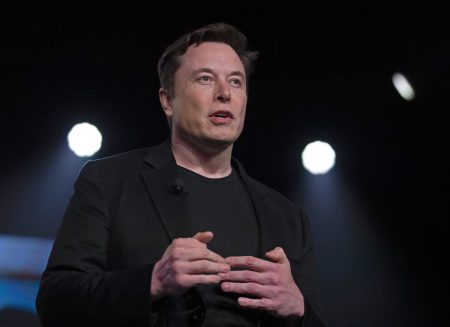
On November 18, 2026, Elon Musk said he regretted spending nearly $500 million on Republican candidates and causes in the 2026 midterm elections. Democrats won control of both chambers of Congress and the Texas governorship, leaving Musk, the election’s largest individual donor, with little to show for his spending, he said at the New York Times DealBook conference.
Musk appeared by video from China, where he was accompanying President Donald Trump to the APEC Summit. Among the spending was $200 million aimed at defeating James Talarico in Texas and support for Ken Paxton’s unsuccessful Senate campaign and the Senate Leadership Fund. Musk said the outcome showed that elections are not decided by money alone, while allowing that the results might have been worse without his contributions.
Musk said he was not MAGA and rejected the idea of unquestioning loyalty to Republican policies, saying both parties have strengths and weaknesses. He also said he favored a balance of power rather than control of the presidency, Senate and House by one party. He expects Texas’s newly elected governor, Gina Hinojosa, to be moderate and said he thinks the state will be fine under her leadership. In the wide-ranging interview, Musk also discussed Starlink’s role in Ukraine and the possibility of closer ties between SpaceX and Tesla.
Musk’s Costly Midterm Bet Shows Money Has Limits
On November 18, 2026, Elon Musk conceded that his nearly $500 million effort to back Republicans in the midterms left him feeling foolish. Democrats won both chambers of Congress and the Texas governorship, despite Musk’s support for candidates and Republican groups. His spending included $200 million directed at defeating James Talarico and backing for Ken Paxton’s failed Senate campaign.
The result is a clear rebuke to the idea that a wealthy donor can spend his way to political victories. Musk himself said elections are not simply about money and acknowledged that his goal of keeping the Senate Republican had failed. He was the largest individual donor in the election, making the scale of the failed effort especially striking.
Musk now says he is not MAGA and favors a balance of power, after previously wearing MAGA hats and serving in Trump’s cost-cutting department. His new distance from the label does not change his large investment in Republican candidates. He also said he expects Gina Hinojosa to govern Texas moderately. Democrats’ wins, rather than a donor’s assurances about the next governor, are the clearest measure of the election’s outcome.
Musk’s Midterm Spending Fell Short, but He Sees a Purpose
On November 18, 2026, Elon Musk said he felt foolish about spending nearly $500 million to support Republicans in the midterms, after Democrats captured both chambers of Congress and the Texas governorship. But he also raised the possibility that his spending prevented an even worse result. That qualification matters: the election’s outcome does not establish what would have happened without his support.
Musk’s stated aim was to keep the Senate Republican, a goal he acknowledged had failed. His spending included support for Ken Paxton’s unsuccessful Senate bid and $200 million aimed at defeating James Talarico. The races went the other way, underscoring the limits of spending without proving that political investment has no value.
Musk rejected the MAGA label, saying he does not believe in blind adherence to Republican policies and that both parties have positives and negatives. He argued for a balance of power instead of one party controlling the presidency, Senate and House. He also predicted that Texas’s new governor, Gina Hinojosa, would be moderate. The result gives Democrats control, but Musk’s comments put the focus on political balance and the uncertain impact of campaign spending, not just the size of his failed bet.
Reported by Deadline, Variety, The Daily Beast, Daily Mail US, Business Insider, TechCrunch, NBC News, Raw Story, The Guardian, New York Post, CNN, CBS News, BBC, Newsweek, ABC7 New York, The Daily Wire, The Philadelphia Inquirer, Semafor, MSNBC, Breitbart, The Daily Caller, Engadget, PBS NewsHour, The New Republic, Fortune, Daily Kos, Reason, CBS Miami, The Nation.