Trump’s Frustration With Vance Fuels 2028 Succession Speculation
Trump has reportedly complained to aides and allies that Vance should have defended the decision to go to war with Iran when discussing Republicans’ losses in the November midterms. Vance had publicly linked the losses to the conflict, while also noting that Trump had made a similar point. Trump subsequently removed Vance from peace-talk efforts and assigned him to focus on allegations of election fraud in Democratic-run areas.
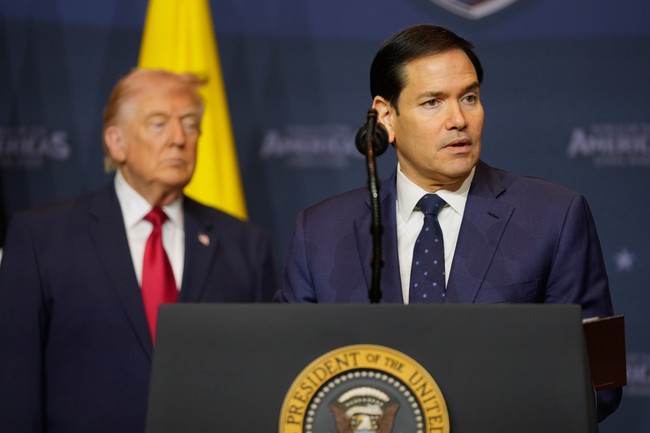
The developments have prompted questions about whether Trump favors Rubio, his secretary of state, as a potential successor. Trump has praised Rubio in private, and allies have pointed to Rubio’s public support for the Iran operation as necessary for national security. Vance has not decided whether to run in 2028. Trump has long encouraged competition among aides and has not endorsed a successor. Vance also withdrew from a planned appearance at the New York Times’ DealBook summit, citing the need to address a technology outage.
At a Senate Judiciary Committee hearing, appeals court nominee James Cody Hiland faced questions about his workplace conduct and his description of the January 6, 2021, violence. He did not directly answer questions about the 2020 election result. Another judicial nominee, Sullivan, said he was unsure whether he had seen news of Joe Biden’s victory because he no longer received newspapers.
Texas Republican Sen. John Cornyn has opposed Trump’s choice of T. Elliot Gaiser for a federal judgeship, citing the selection process and Gaiser’s lack of Texas ties. Cornyn and Sen. Ted Cruz, also a Texas Republican, reportedly had a heated exchange over the nomination on the Senate floor. Separately, the administration withdrew its pick to head the Food and Drug Administration amid difficulty finding a candidate.
Trump’s Iran War Loyalty Test Puts Vance’s Future in Doubt
Trump’s reported demand that JD Vance affirm the Iran war was the right choice puts loyalty ahead of an honest reckoning with Republican losses. Vance publicly tied the midterm defeat to the conflict, while Trump has reportedly complained that his vice president should have backed the war more forcefully.
Trump then pulled Vance away from peace efforts and directed him toward election-fraud investigations in Democratic-run areas. The shift has stirred speculation that Trump is cooling on Vance as a potential 2028 successor. Secretary of State Marco Rubio, by contrast, has won private praise from Trump and has repeatedly defended the Iran operation as essential to national security.
Vance has not decided whether to run, and Trump has made no endorsement. He has encouraged competition among aides, leaving the succession question open. Vance also withdrew from a planned DealBook summit appearance, saying he needed to address a technology outage.
The same Senate session underscored concerns about Trump’s judicial picks. Appeals court nominee James Cody Hiland faced questions about his conduct and January 6, while another nominee, Sullivan, avoided a direct response on the 2020 election. Texas Republican John Cornyn is resisting Trump’s choice of T. Elliot Gaiser for a judgeship, prompting a reported floor confrontation with fellow Republican Ted Cruz. The administration also withdrew its FDA leadership nominee after struggling to find a candidate.
Vance’s Iran Criticism Risks Undermining Trump’s Republican Legacy
JD Vance’s decision to link Republican midterm losses to the Iran war has reportedly frustrated Donald Trump, who wanted his vice president to affirm the operation was necessary. Vance also called for a changed relationship with Israel, a position at odds with Trump’s longstanding support for the country. In a moment when Republicans need unity, airing that criticism risks weakening the party and the president’s foreign-policy legacy.
Trump removed Vance from peace-talk efforts and redirected him to investigate allegations of fraud in Democratic-run areas. Rubio, meanwhile, has repeatedly supported the Iran action as vital to national security and has received private praise from Trump. That has fueled talk of Rubio as a possible 2028 candidate, though Trump has not chosen a successor and Vance remains undecided about running.
Vance also withdrew from a planned DealBook summit appearance, citing a technology outage. Trump’s shifting treatment of his vice president has prompted speculation, but a public break could complicate the administration’s efforts to maintain party unity.
In the Senate, Trump judicial nominee James Cody Hiland faced questions about workplace conduct and January 6, while another nominee, Sullivan, did not directly address who won the 2020 election. Texas Republican John Cornyn opposes Trump’s selection of T. Elliot Gaiser for a federal judgeship, and Cornyn and Sen. Ted Cruz reportedly argued over the matter. The administration also withdrew its nominee to lead the FDA.
Reported by Talking Points Memo, Hot Air, CNN, PJ Media.