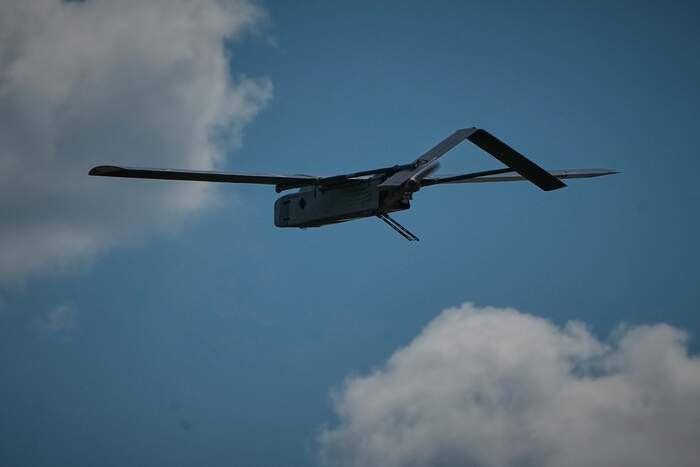
UN Nations Weigh Talks on Rules for Autonomous Weapons
On November 16, 2026, government envoys began considering whether to open negotiations on legally binding rules for weapons that can select and attack targets without direct human control. The discussions are part of a United Nations conference in Geneva, where delegates could decide the question this week.
Panama, Ireland, Austria, New Zealand, Brazil, Mexico and Belgium proposed last month that countries begin negotiating a new agreement. The advocacy group Stop Killer Robots says 130 countries back new international rules. Supporters point to an existing agreement regulating blinding lasers as an example of weapons restrictions reached by governments.
Advocates say autonomous armed drones have been used in limited instances in conflicts including Ukraine and the Middle East, though they have not been widely deployed. Pope Leo XIV and U.N. officials have urged human oversight of decisions about lethal force. The U.N.'s top human rights official, Volker Türk, urged countries to agree urgently on binding rules.
The United States and Russia are among military powers wary of restrictions on their ability to develop and deploy advanced weapons. Russia’s foreign ministry spokeswoman, Maria Zakharova, said Moscow considers it premature to pursue restrictive or prohibitive measures. Russia also wants organizational questions settled first and a process free of politicization.
Any decision under the convention requires consensus, giving each country the ability to block it. That requirement could constrain the scope of an agreement, while disagreements over how long negotiations should last pose another obstacle. The conference’s decision on whether to launch talks remains ahead.
Human Control Must Come Before Killer Robots Spread
On November 16, 2026, governments opened a United Nations conference in Geneva with a consequential choice: begin negotiating binding rules for weapons that can select and attack targets, or leave the question unresolved. With autonomous drones already used in limited instances in conflicts including Ukraine and the Middle East, advocates say waiting risks making safeguards harder to establish.
The seven governments—Panama, Ireland, Austria, New Zealand, Brazil, Mexico and Belgium—have proposed launching negotiations. Stop Killer Robots says 130 countries support new international rules. U.N. human rights chief Volker Türk has urged countries to agree urgently, while Pope Leo XIV has rejected handing life-and-death decisions to remote AI systems.
The stakes are human control and accountability in warfare. Yet the United States and Russia are wary of restrictions on their ability to develop and deploy advanced weapons. Russia says it is premature to pursue restrictive measures and wants organizational questions settled first. That posture risks turning delay into the answer while the technology advances.
The conference operates by consensus, so any one country can block a decision. That makes a strong agreement harder, but it also makes the choice to start negotiations urgent: governments should not let military powers’ reluctance determine whether rules are even discussed. Delegates could decide this week whether talks begin.
UN Weapon Talks Could Constrain Military Development
On November 16, 2026, UN delegates began weighing whether to negotiate binding rules for autonomous weapons, a decision that could shape how governments develop and deploy advanced military systems. Seven countries want negotiations launched, but the United States and Russia are wary of restrictions on their capabilities.
The proposal comes as advocates seek international limits on weapons that can identify and strike targets without direct human control. They say such drones have appeared in limited instances in conflicts including Ukraine and the Middle East, while widespread deployment has not occurred. The distinction matters: governments are being pressed to set rules before these systems become commonplace.
Russia says it is too early to pursue restrictive or prohibitive measures and wants organizational matters addressed first. Under the convention, decisions require consensus, allowing every country to block an outcome. That process may frustrate advocates, but it also means a sweeping international rulebook cannot simply be imposed over a government’s objection.
Supporters of negotiations point to a past agreement regulating blinding lasers and say 130 countries favor new rules. But the conference must still decide whether to begin talks, and negotiators would face questions about both the scope of any agreement and the time allowed to reach one. A careful process should take account of the concerns of countries responsible for developing and deploying military technology.
Reported by WTOP.