New York Launches Independent AI Testing Center
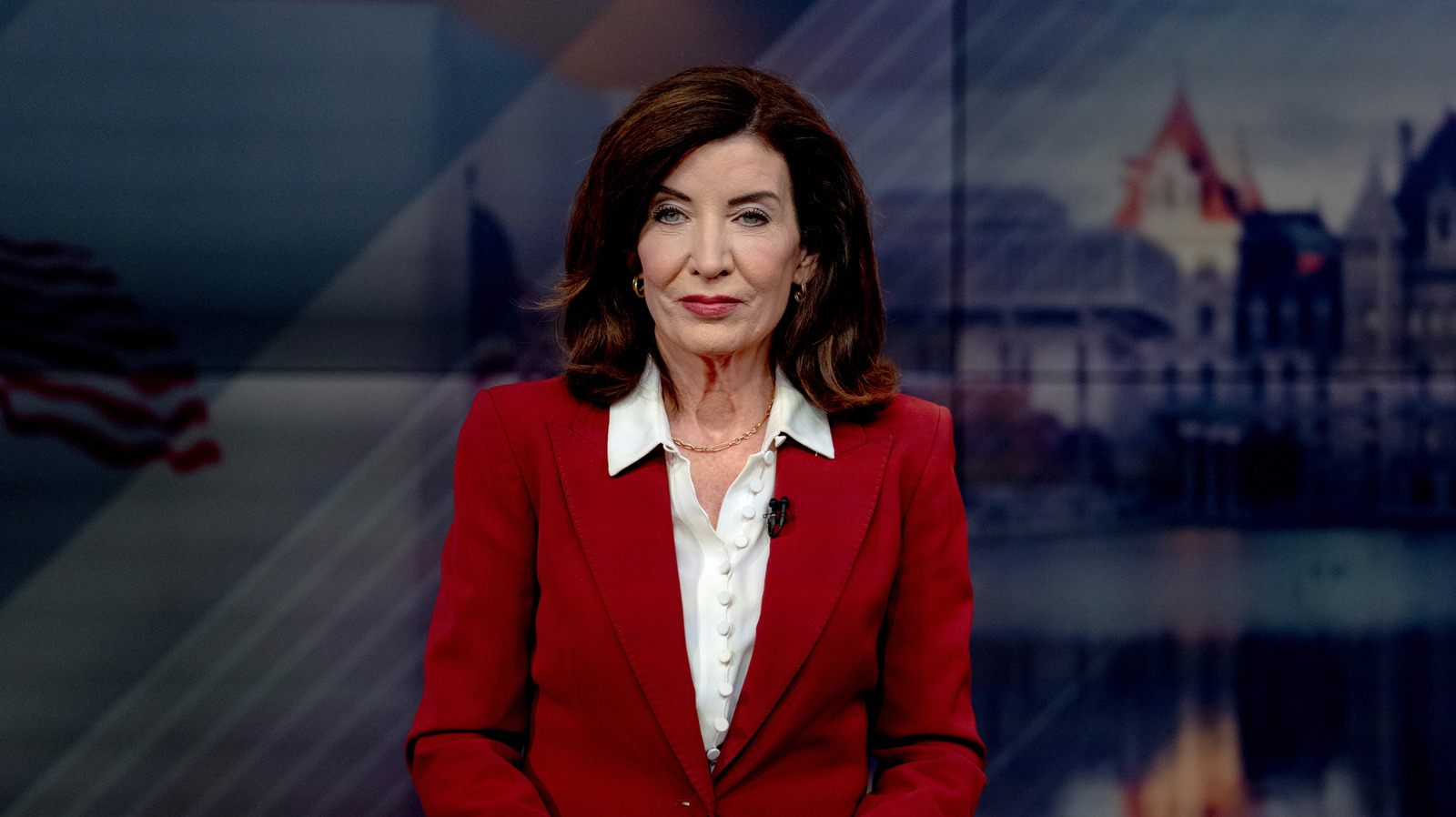
New York has launched a state-run effort to examine advanced artificial intelligence systems, with researchers rather than AI companies themselves carrying out the assessments. Gov. Kathy Hochul announced the program on November 10, saying the risks are too significant for companies to be the sole judges of their own work.
A new institution at Binghamton University, the New York Institute for AI Accountability and Research, will lead the work, with more than 80 scientists contributing. The center will draw on computing resources from Empire AI, a $500 million public-private partnership in New York. Its work will include studying AI risks and possible responsible uses in medicine and scientific research, with findings intended to inform public officials.
The center’s research will be limited to information companies make public. A state law Hochul signed last year requires major AI developers to enroll with New York by January 1, 2027. From then, they must make public safety plans and openness disclosures, while notifying authorities of serious safety events within 72 hours. The law will increase disclosures but will not provide access to models companies have not released.
New York Puts Independent Scrutiny Ahead of AI Industry Self-Policing
New York is building independent scrutiny into AI oversight instead of leaving safety judgments to the companies developing the technology. Gov. Kathy Hochul announced the state-run program on November 10, arguing that the stakes are too high for companies to assess their own work without outside checks.
The Binghamton University-based New York Institute for AI Accountability and Research will coordinate the effort, drawing on more than 80 scientists and computing resources from Empire AI, a $500 million public-private partnership. Researchers will examine advanced systems, assess risks and study potential responsible uses in fields including medicine and scientific discovery. Their findings are meant to help public officials make decisions based on evidence.
The program’s reach depends on what companies disclose publicly, leaving unreleased models beyond its examination. A state law Hochul signed last year adds disclosure requirements for large developers beginning January 1, 2027: safety plans, openness disclosures and notification of critical safety incidents within 72 hours. That makes public accountability more than a matter of industry choice, even though the law does not open unreleased models to researchers.
New York’s AI Testing Plan Depends on What Companies Disclose
New York’s new AI testing program puts state researchers in an oversight role, but its reach has a clear boundary: the center can study only what companies disclose publicly. That limitation matters as officials take on a fast-changing technology through a government-run testing effort.
Gov. Kathy Hochul announced the program on November 10. The Binghamton University-based New York Institute for AI Accountability and Research will involve more than 80 scientists and use computing resources from Empire AI, a $500 million public-private partnership. The center plans to assess advanced AI systems and risks, while also examining responsible uses in medicine and scientific discovery. Its evidence is intended to inform public officials.
New York is also requiring large AI developers to enroll by January 1, 2027, under a law Hochul signed last year. Companies will then need to make public safety plans and openness disclosures, and notify authorities of critical safety incidents within 72 hours. Those requirements increase disclosure, but they do not give the center access to unreleased models. The state’s approach therefore rests on public information and reporting rules, rather than direct examination of every system companies build.
Reported by Engadget, CBS New York.