Iran War Puts Energy Costs and U.S. Strategy in Focus
The Iran war and its effect on energy prices have become central to debate over what the Trump administration should do next. One proposal urges President Donald Trump to end the conflict and restore oil flows through the Strait of Hormuz; another warns that withdrawal could leave Iran with lasting power over the Gulf and its oil routes.
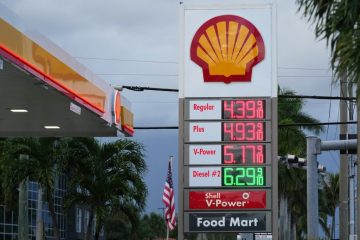
Gasoline cost less than $3 a gallon before the February strikes, then exceeded $4.50 and has only recently slipped below $4. Diesel remains above $6. Brent crude, meanwhile, has moved sharply in response to developments around the strait. One proposal says easing tensions could bring prices down quickly, noting that Brent fell below $90 on signs the war might end, then rose above $94 after Trump said a deal with Iran was unnecessary.
That proposal also calls for Congress to advance energy legislation before the new session begins January 3. The Senate passed a bipartisan permitting bill 73-25, while the House is considering measures on nuclear licensing. It urges further steps to increase output of petroleum, natural gas and coal, streamline approvals for pipelines and liquefied natural gas, and accelerate nuclear construction. U.S. crude production is already near 14 million barrels a day.
A contrasting argument says leaving the region would risk giving Tehran leverage over a major share of global oil supplies. It points to Iran’s ability to disrupt traffic through Hormuz and to its missile production, and argues that the United States should support a security coalition involving Israel and Gulf states. The proposal favors sustained commitments over either occupation or withdrawal.
The midterm election on November 3 intensified the political stakes. Republicans lost ground amid concerns that included the war and fuel costs, while Democrats are expected to control both chambers of Congress. The government funding deadline is December 11, a possible point of pressure over the conflict.
End the Iran War Before Families Pay More
American households and small businesses have already paid for the Iran war at the pump. Gasoline climbed from below $3 a gallon before the February strikes to more than $4.50, and despite a recent dip it remains near $4. Diesel is still above $6. Ending the conflict and reopening steady petroleum shipments via the Strait of Hormuz is the fastest route to relief.
Market moves show how much the conflict is adding to costs: Brent fell below $90 when hopes for an end to the war grew, then rose above $94 after President Donald Trump said Washington did not need a deal with Tehran. The administration should choose de-escalation rather than leave families exposed to further price swings.
Congress should also move on energy measures now. The Senate advanced a bipartisan permitting bill by 73-25, and the House is weighing nuclear licensing bills. Further legislation could speed pipelines and liquefied natural gas permits and support domestic production and nuclear construction. U.S. crude output is already close to 14 million barrels per day.
Democrats are poised to control both chambers, and the December 11 funding deadline could become a fight over the war. The case for ending it is straightforward: voters objected to the conflict and its costs. Rather than prolonging a costly commitment in the name of regional strategy, Trump should end the war and let the new Congress explain why it opposes measures intended to lower energy bills.
Withdrawal Would Hand Iran Dangerous Gulf Leverage
High fuel prices hurt Republicans in the November 3 midterms, but walking away from Iran could leave Americans facing a more permanent threat. Even after its air defenses and leadership were badly damaged, Tehran disrupted a major share of global oil traffic through the Strait of Hormuz. A government able to close that route would wield enormous power over energy markets.
Gasoline rose from $2.98 on February 28, when the war began, to above $4 for four consecutive months. The United States produces far more oil than Saudi Arabia, yet Gulf disruptions still affect prices. Domestic production cannot insulate American families from upheaval in a region that holds roughly half the world’s proven oil reserves.
The administration’s case for the war focused on Iran’s nuclear program and the regime, but the deeper danger is the country’s growing ability to threaten Gulf oil facilities and regional allies. Secretary of State Marco Rubio said Iran was producing more than 100 ballistic missiles monthly, while the United States had six or seven THAAD interceptors. That imbalance could eventually overwhelm defenses.
The answer is neither occupation nor abandonment. The United States should back a coalition of Israel, Gulf countries and other partners capable of balancing Iran, and make its commitments credible beyond the next election. A retreat or accommodation would leave Tehran with leverage over oil supplies and allies exposed. The midterm backlash over prices is real, but it does not erase the strategic cost of withdrawal.
Reported by Hot Air, Newsweek.