Gas Prices Dip Below $4 as Oil Markets Reassess Iran War
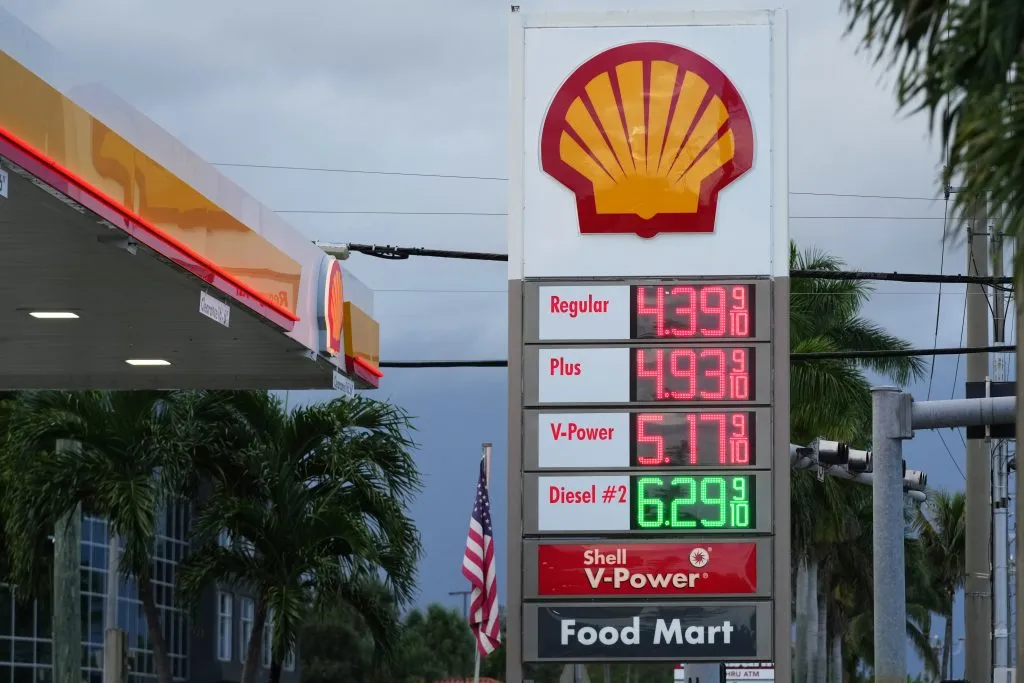
The nationwide average price of regular gasoline dropped to $3.97 per gallon, down from $4.14 on election day. It was the first time the average had fallen below $4 since July 20, according to AAA data. The White House said President Donald Trump had been right to predict lower prices after the midterms, and blamed Iran for efforts to drive oil costs higher before the vote.
Oil futures fell 13% last week, with Brent crude recording its largest weekly percentage decline since April 2020. Prices dropped further on Monday and briefly went below $90 a barrel on Tuesday. The slide followed Trump saying he did not plan to attack Iran and Democratic candidates’ strong election results. Traders have also wagered that Democratic control of Congress could constrain some of Trump’s policies, including the war. Vice President JD Vance said the war was the reason Republicans lost.
Trump has said he sees a chance to end the war and is not seeking a major escalation, while also saying U.S. forces are ready if circumstances change. No decision had been made on a possible new military campaign, officials said. Gas prices remain more than 30% above their level when the war began on February 28, and about 40% higher than at the start of the year.
Diesel has fallen from $6.28 to $6.15 per gallon since election day, but remains more than 70% above its level at the start of the year. Analysts cautioned that oil prices could swing again amid uncertainty over Iran, Russia-Ukraine talks, and the possibility of renewed escalation. U.S.-hosted talks between Russia and Ukraine were set to take place in Abu Dhabi.
Election Results Help Drive Oil Prices and Pump Costs Down
Gas prices have begun to ease after a steep rise tied to the Iran war, with the national average for regular gasoline reaching $3.97 per gallon. The White House is claiming vindication for President Donald Trump, but the price drop followed a sharp oil-market retreat and Democratic candidates’ commanding election results—not simply a presidential prediction.
Oil futures fell 13% last week, and Brent crude saw its biggest weekly percentage decline since April 2020. Trump’s remark that he would not strike Iran helped trigger the slide. Markets also began pricing in a Congress that could scrutinize the war and make its funding more difficult. Vice President JD Vance acknowledged the political cost, saying the war was why Republicans lost.
The drop offers some relief, but it does not erase the burden consumers have faced: gasoline is still more than 30% costlier than when the war began and about 40% above its level at the start of the year. Diesel, which affects the cost of transporting goods, remains more than 70% higher than at the start of the year, despite recent declines.
Trump says he sees a chance to end the war, while keeping the possibility of military action open. Analysts warn that further escalation could reverse the market’s gains. Talks between Russia and Ukraine were due to take place in Abu Dhabi, as uncertainty over the conflicts continues to shape oil prices.
Falling Gas Prices Vindicate Trump as Oil Markets Cool
The national average for regular gasoline has fallen to $3.97 per gallon, giving the White House a visible sign of relief for consumers after months of elevated prices. The administration says President Donald Trump was right that costs would drop after the midterms, and argues Iran had helped push oil higher before the election.
Oil futures fell 13% last week, with Brent crude logging its steepest weekly percentage decline since April 2020. Prices slid further after Trump said he did not plan to attack Iran and described prospects for ending the war as positive. The president has also said U.S. forces remain ready if circumstances change. No decision had been made on a possible new military campaign.
Democrats’ strong election results have led traders to bet that a Democratic-controlled Congress will limit some of Trump’s policies. Analysts say lawmakers could intensify scrutiny of the war and make its funding harder. Vance, too, said the war was the reason Republicans lost. The coming congressional shift may therefore affect both foreign policy and the economic pressure consumers feel at the pump.
Gas remains more than 30% above its level when the war began and about 40% above the start of the year. Diesel has eased to $6.15 per gallon from $6.28 on election day, but is still more than 70% higher than at the start of the year. Analysts warn renewed conflict could bring fresh volatility, even as U.S.-hosted Russia-Ukraine talks proceed in Abu Dhabi.
Reported by The Washington Examiner, NBC News, New York Post.