Yemen Strikes Kill One as Iran and U.S. Trade War Claims
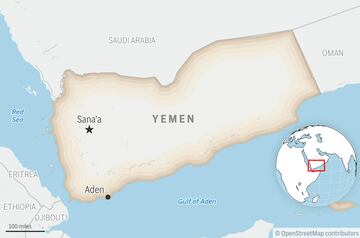
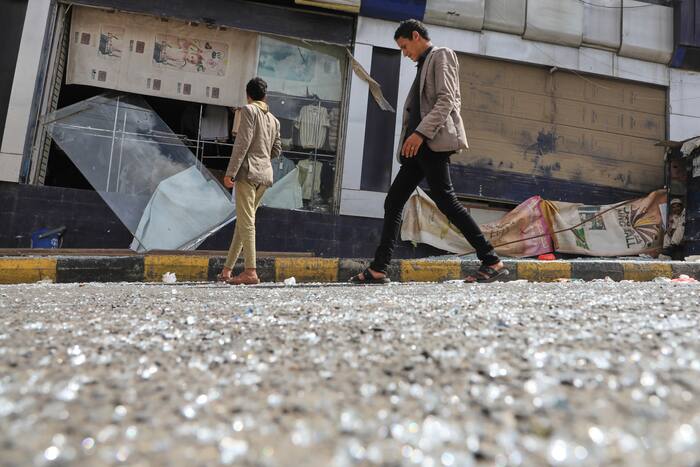
Air raids during the night damaged a fuel outlet and petroleum site in Sanaa, Yemen, on November 10, killing one person and injuring nine, according to Houthi officials and residents. The Houthi-run health ministry said three people were injured at the fuel outlet and at least six at the oil company site. It said nearby homes and shops were badly damaged. The ministry blamed Saudi Arabia; the claim could not be independently verified.
A Sanaa resident said the blast at the oil facility near homes, around November 10, was horrifying. Another resident said the explosions broke windows and echoed across the city as people slept. The Saudi-led coalition said it had intercepted a drone in Saudi Arabia’s Eastern Region; that claim also could not be independently verified.
The latest air raids took place as clashes flared again between the Houthis and forces loyal to the Saudi-backed government, following a summer escalation. The Houthis have continued attacks on Saudi energy facilities and airports, saying they aim to pressure Riyadh to lift its blockade on Yemen.
In Iran, security official Mohsen Rezaei urged Washington to accept seven Iranian conditions for ending the war. Tehran’s demands include lifting sanctions and the blockade on its ports, releasing frozen assets, compensation for war damage and an end to regional hostilities, including Israeli operations in Lebanon. President Donald Trump said on November 10 that the conflict was effectively over militarily and that the United States was maintaining the status quo.
Iran’s Revolutionary Guard also showed state television footage of what it described as an underground missile facility and new surface-to-surface missiles. The broadcast gave no location or date for the visit shown. A senior Iranian military official said Israel had been defeated in recent wars and warned Iran had another surprise for any future conflict.
Yemen Strikes Show the Human Cost of a Region Still at War
One person was killed and nine injured in night-time air raids targeting a fuel outlet and an oil facility in Sanaa, Yemen, on November 10. The Houthi-run health ministry said nearby homes and shops were badly damaged and blamed Saudi Arabia, though that claim could not be independently verified. Residents described blasts that shattered windows and jolted people awake.
The air raids coincided with a fresh flare-up between the Houthis and forces loyal to the Saudi-backed government, following a summer escalation. The Houthis say their attacks on Saudi energy sites and airports are intended to pressure Saudi Arabia to lift its blockade on Yemen. The Saudi-led coalition, meanwhile, said it intercepted a drone in its Eastern Region; that account also could not be independently verified.
The competing claims over the Iran war underline how far apart the sides remain. U.S. President Donald Trump said on November 10 that the conflict was effectively over militarily and that Washington was keeping the status quo. Iranian security official Mohsen Rezaei called for the United States to accept Tehran’s seven conditions to end the conflict.
Iran’s demands include lifting sanctions and the blockade on its ports, unfreezing its assets, financial redress for wartime damage and halting regional hostilities, among them Israeli military action in Lebanon. Iran’s Revolutionary Guard also presented state television with footage it said showed an underground missile facility and new missiles. A senior Iranian military official declared Israel defeated in recent wars and threatened a further surprise in any future conflict. The violence and escalating military messaging show the stakes of a war that Washington may call effectively over, but which regional actors are still treating as unresolved.
Iran’s Threats and Yemen Strikes Undercut Claims the War Is Over
Night-time attacks in Sanaa, Yemen, killed one person and injured nine on November 10, according to Houthi officials and residents. The Houthi-run health ministry blamed Saudi Arabia and said blasts damaged a filling station and an oil company, harming nearby homes and shops. The blame was not independently verified. The Saudi-led coalition said it had intercepted a drone in eastern Saudi Arabia, a claim that likewise could not be independently verified.
Violence flared as clashes pitted the Houthis against government forces backed by Saudi Arabia, with tensions rising since summer. The Houthis say attacks on Saudi energy facilities and airports are meant to force Riyadh to lift its blockade on Yemen. Those attacks and the overnight strikes show how fragile the regional situation remains.
Iran is also pressing Washington to accept seven demands to end the war. Security official Mohsen Rezaei said the United States should agree to Tehran’s terms, which include lifting sanctions and the blockade on Iranian ports, releasing frozen assets, paying damages for wartime losses and stopping regional fighting, among it Israeli military action in Lebanon.
Trump said on November 10 that the war was effectively over militarily and that the United States was maintaining the status quo. But Iran’s public display of what its Revolutionary Guard called an underground missile facility, alongside new surface-to-surface missiles, sends a different signal. The broadcast did not identify the facility’s location or when the visit occurred. A senior Iranian military official said Israel had lost recent wars and warned of another surprise if fighting resumes. Tehran’s demands and military messaging make clear that the conflict’s next steps remain contested.
Reported by KPRC 2 Click2Houston, The Philadelphia Inquirer.