Confusing Updates Deepened Anxiety During Nationwide Flight Ground Stop
On November 14, officials faced continued questions about how they handled the nationwide flight ground stop a day earlier, when the Federal Aviation Administration halted domestic departures. The disruption was attributed to problems with an old air traffic communications system, but sparse and unclear updates left passengers uncertain about what had happened and whether it was safe to fly.
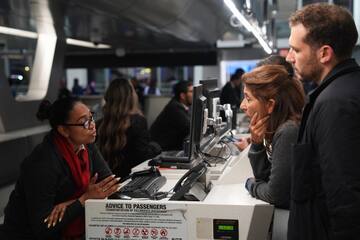
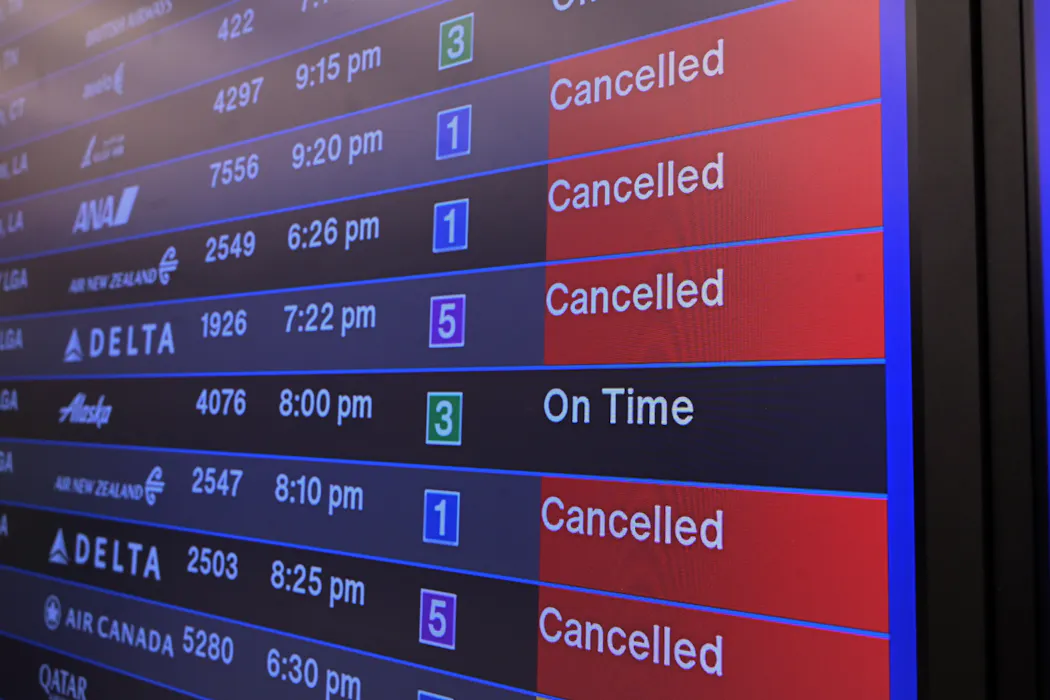
The government’s initial notice cited safety and extraordinary circumstances without explaining the cause. Some travelers feared an attack or a computer intrusion, while passengers continued arriving at airports. At Newark Liberty International Airport, public announcements did not address the flight halt for over an hour. Airlines also struggled to keep passengers informed: one traveler said he spent about eight hours on a runway at Chicago’s O’Hare before his flight was canceled.
Homeland Security Secretary Markwayne Mullin said on Friday that everyone was safe, while later comments from him and Transportation Secretary Sean Duffy drew criticism for inconsistent explanations. On Saturday, Duffy described the cause as an isolated problem involving old telecommunications equipment. FAA Administrator Bryan Bedford said officials had found no evidence of either malicious activity or an AI-related cause. The Saturday briefing itself began late because of technical problems.
Crisis communications scholar Shannon Bowen said officials should share what they know quickly and clearly, but argued that repeatedly dismissing a malicious cause risked drawing attention to it. Other critics said the first day’s communication left the public without a clear account of what had happened or what to expect. Duffy warned that the condition of the air traffic infrastructure could lead to more ground stops. Bowen urged officials to communicate possible disruptions in advance and explain what they are doing to address immediate safety concerns.
Administration’s Flight Crisis Response Left Travelers Without Answers
A nationwide halt to domestic departures on November 13 exposed the cost of an aging air traffic system—and an administration response that left travelers scrambling for basic information. The FAA cited safety concerns but offered little explanation at first, prompting fears of an attack or a cyber intrusion while passengers continued heading to airports.
The communication problems were tangible: Newark airport announcements did not acknowledge the halt for over an hour, and one passenger said he remained on a runway at Chicago’s O’Hare for about eight hours before his flight was canceled. Airlines, too, struggled to provide timely guidance.
Homeland Security Secretary Markwayne Mullin and Transportation Secretary Sean Duffy later addressed the disruption, but critics said their explanations were inconsistent and failed to resolve the public’s core questions. Duffy said the cause was an isolated failure involving old telecommunications equipment; FAA Administrator Bryan Bedford said there was no evidence of malicious activity or an AI-related cause. Their Saturday briefing started late after technical difficulties.
Crisis communications scholar Shannon Bowen said officials should quickly explain what is known, what remains uncertain and what is being done. She also criticized the emphasis on denying a malicious cause, saying it could make that possibility more prominent. Duffy warned that the state of the infrastructure could bring further ground stops. Bowen said officials should give advance notice of potential disruptions and address what is being done to keep current flights safe.
Aging Air Traffic System Exposed Need for Clearer Crisis Updates
The nationwide flight ground stop on November 13 underscored the consequences of outdated air traffic communications equipment: travelers were stranded, flights were canceled and the public received too little clarity as the disruption unfolded. The FAA’s first notice cited safety and extraordinary circumstances but did not explain the cause, leaving room for fear and speculation.
Officials later identified an isolated problem involving old telecommunications equipment. Transportation Secretary Sean Duffy warned that the condition of the air traffic infrastructure could lead to more stoppages, while FAA Administrator Bryan Bedford said there was no evidence of a malicious act or an AI-related cause. The disruption also exposed how unevenly information reached passengers: one traveler said he spent about eight hours on an O’Hare runway before his flight was canceled, and Newark airport announcements took over an hour to address the halt.
The administration’s later briefings drew criticism for failing to reassure travelers consistently. Crisis communications scholar Shannon Bowen said officials should quickly provide the facts available and explain what they are doing. She cautioned that repeatedly saying nothing malicious had happened risked bringing that idea to the fore, and said officials should first address immediate concerns about passenger safety before making the case for infrastructure funding.
Bowen also pointed to an earlier air traffic control ground stop as a warning sign and urged advance public notice when another disruption is being considered. The immediate challenge is to explain what is being done now, as well as the prospect of longer-term system repairs.
Reported by CNN, The Conversation US.