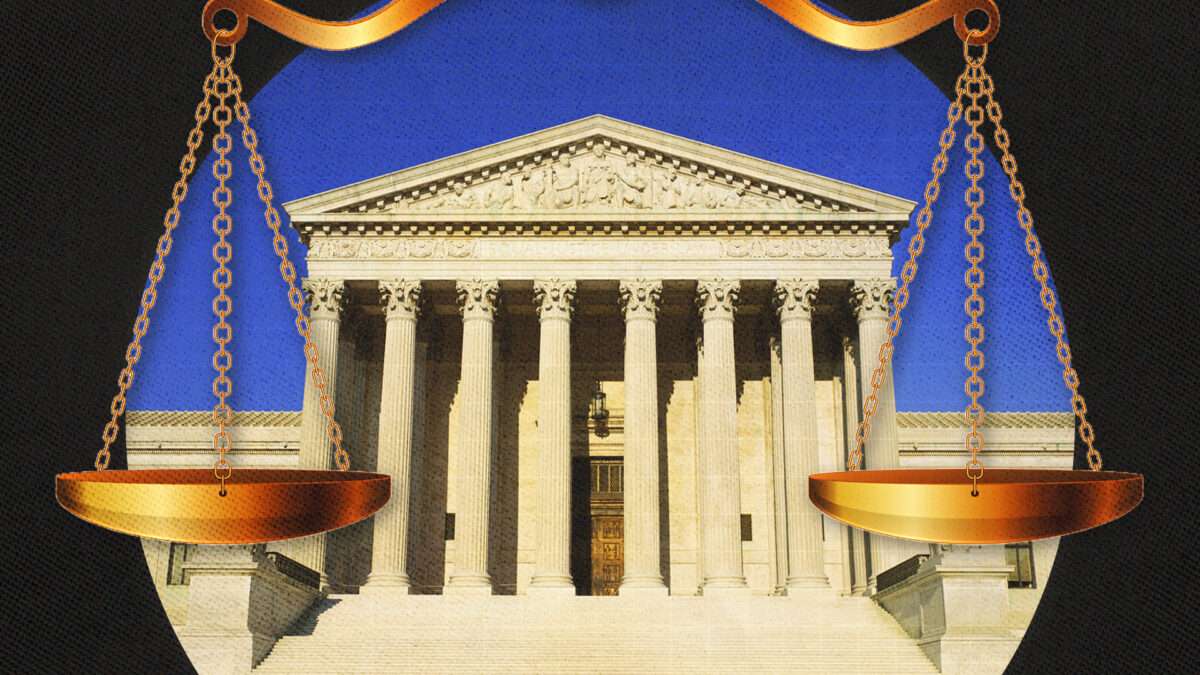
Alito warns Congress could cripple the Supreme Court through its budget

Supreme Court Justice Samuel Alito delivered a blunt warning about Congress’s power over the nation’s highest court. Lawmakers could cut off its funding and bring its work to a halt. Speaking Thursday night at a Federalist Society dinner honoring the late Antonin Scalia, Alito said Congress could “turn off the lights” if it chose to defund the court’s activities. He added that lawmakers had other possible ways to exert influence. The Hill’s report first brought the remarks into focus. Their timing stands out: Democrats had just won control of both chambers in the midterm elections.
Alito did not mention the election or the incoming shift in congressional power. Still, the political backdrop is hard to miss. Democrats have proposed a range of changes to the court in recent years. Those include expanding its membership, setting term limits and tightening ethics rules. Some lawmakers have also floated using Congress’s control of spending to push the court toward reforms. Alito’s warning addressed that power in general. He did not name a specific proposal or say the newly elected Congress had decided to pursue one. Another report on Alito’s remarks discusses the proposed changes and funding debate.
The distinction between funding and judicial independence matters. The Constitution bars Congress from reducing a Supreme Court justice’s salary during that justice’s time in office. But Congress controls appropriations for the court’s operations, staff and facilities. That leaves a potential pressure point without allowing lawmakers to cut a sitting justice’s pay. The court is the highest part of the federal judiciary, with authority to review federal cases and decide whether laws or presidential actions violate the Constitution or federal law. The court’s role makes the independence question more than a budget dispute. It concerns the institution that can rule on the limits of the other branches.
Alito described the judiciary as the weakest branch because judges depend on the elected branches in important ways. The president nominates federal judges, the Senate confirms them, and Congress controls funding. He warned that eliminating judicial independence would change the constitutional system. That was a warning about a possible consequence, not a claim that Congress had already taken steps to shut down the court.
The argument over congressional leverage is not new. In 2023, Democratic senators proposed holding back $10 million in Supreme Court funding unless the justices adopted tougher ethics rules. The court later created its first formal code of conduct, but critics said it lacked meaningful enforcement. A third report also recounts Alito’s comments about congressional funding powers. The episode shows how budget pressure has been discussed as a means of demanding changes. It leaves open whether such a tactic would strengthen accountability or compromise the court’s ability to operate.
There is also an important limit to the idea that judicial independence means judges are beyond criticism. Alito said judges can make mistakes. He accused some lower-court judges of going too far by issuing orders against presidential policies in recent years. He described their work as skilled and dedicated, while arguing that some rulings amounted to an abuse of judicial authority. His remarks were not a blanket defense of every judicial decision. He acknowledged that judges themselves can overstep. The reports do not identify particular rulings he had in mind.
The Supreme Court has become a target of political disputes over consequential decisions on abortion, presidential power and federal regulation. One example of the court’s impact is its decision in Burwell v. Hobby Lobby. The ruling allowed certain privately held corporations to claim a religious exemption from a regulation under the Religious Freedom Restoration Act. That decision addressed a specific legal question. It does not by itself explain the full range of criticism directed at the court. The wider point is that major decisions can fuel demands for institutional change. The tools Congress uses to pursue that change may themselves raise constitutional concerns.
Funding also touches the practical work of keeping the judiciary secure. Over the summer, Justices Elena Kagan and Amy Coney Barrett made an uncommon trip to Capitol Hill. They sought additional money for judicial security amid rising threats against judges. Their appearance underscored that court appropriations cover more than the justices’ deliberations. A funding fight could affect staffing, operations and facilities as well as security resources. The reports do not say that any specific cuts are planned.
For my part, the distinction between a court’s independence and its accountability deserves careful attention. A budget threat is not the same thing as a court closure, but it is not an abstract power either. The next test is what the incoming Congress chooses to do—and whether it treats funding as routine oversight or as leverage in a larger fight over the court.
Update, November 14, 2026: Alito also compared the judiciary’s potential danger to a hand grenade, less powerful than a bomb but still capable of harm. He linked lower-court orders against presidential policies to the growth of the emergency docket over roughly the past decade or more. Alito said presidents frustrated by Congress’s inability to pass their agendas have increasingly acted unilaterally, prompting opponents to seek court orders. He argued that broad injunctions can keep a president’s initiatives on hold for years, potentially consuming much of a four-year term before an appeal is resolved.
Reported by Raw Story, New York Post, Fox News, Breitbart, NBC News, PJ Media.