Trump Says Iran Deal Is Unnecessary as War Continues
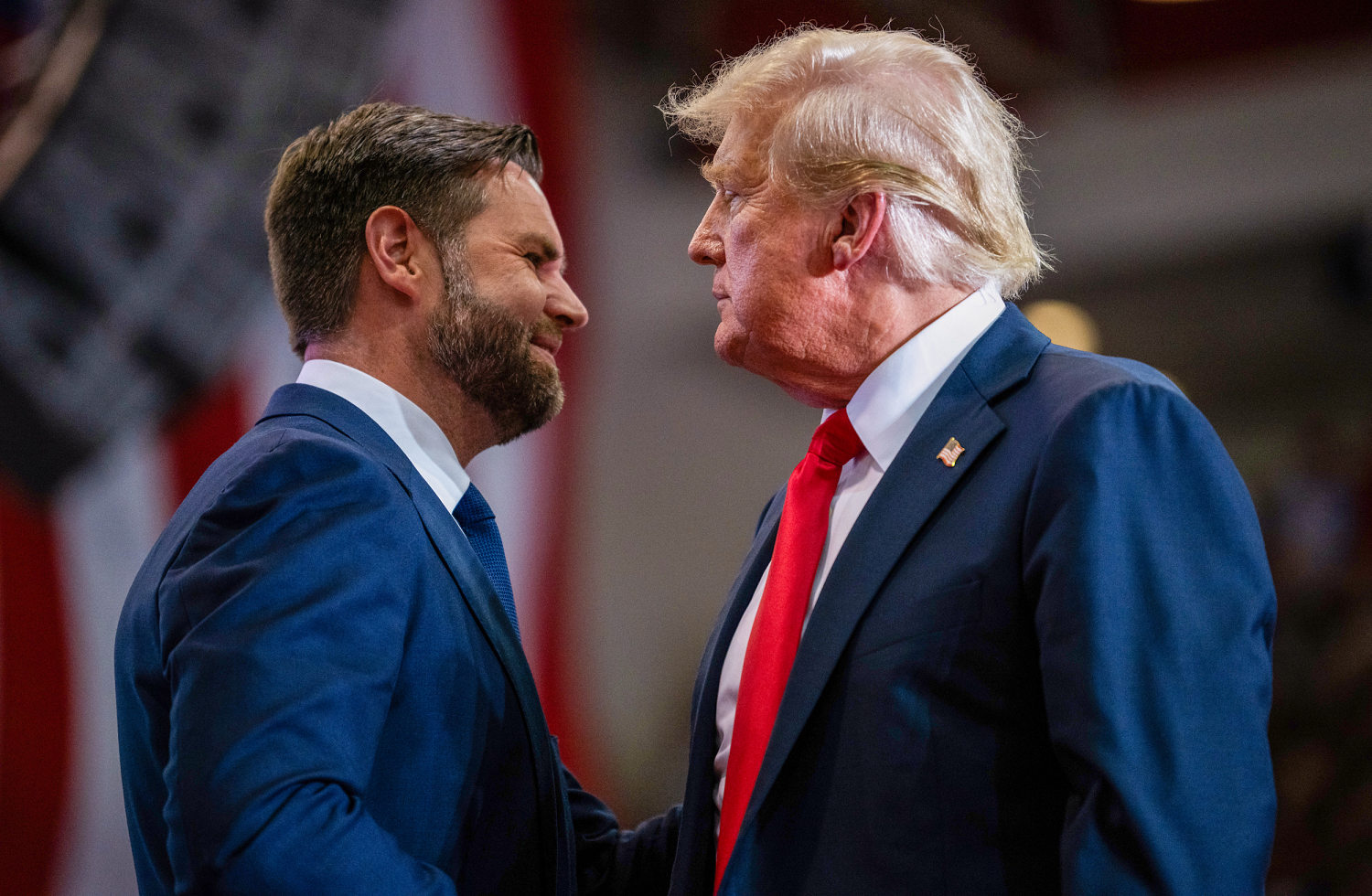
On November 12, Trump said the United States no longer needs a deal with Iran, despite repeatedly predicting an agreement could end the conflict. He claimed Washington already controls Iran’s money and the Strait of Hormuz, and said Vice President JD Vance should turn his attention to alleged corruption in Democratic-run states rather than diplomacy with Tehran.
The shift followed Trump’s recent statements that a settlement could come soon. After meeting Qatar’s prime minister on Monday, he described positive momentum toward ending the conflict and said Gulf allies preferred the existing naval blockade. He also said the United States remained ready to act if circumstances changed.
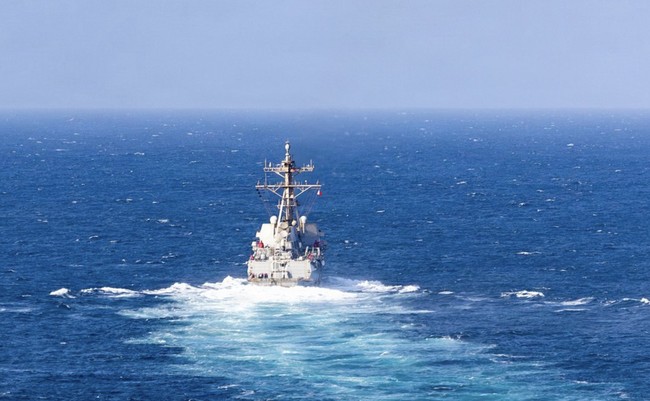
The war is now in its ninth month, and Trump’s declaration does not itself resolve the confrontation. One possible path remains a negotiated agreement: a proposed framework would pair U.S. relief from the blockade and release of some frozen Iranian funds with Iran allowing U.N. inspectors into damaged nuclear sites and reopening the strait. Iran’s foreign minister has said Tehran’s own two-day proposal remains available.
Other possible outcomes include quiet reciprocal steps without a formal agreement, a prolonged U.S. blockade, or continued limited attacks and retaliation. Trump has said he chose to maintain pressure rather than resume the war or strike a deal. Iranian officials, meanwhile, have signaled resistance to an indefinite status quo, while attacks on shipping and U.S. strikes on Iranian air defenses have continued.
Trump Drops Iran Deal Talk as War Pressure Mounts
Trump’s abrupt dismissal of an Iran agreement puts a harder line ahead of diplomacy, even after he repeatedly told the public a settlement could be close. On November 12, he said the United States did not need a deal and redirected Vance from talks with Tehran toward alleged corruption in Democratic-run states.
The change comes after Trump’s own recent claims of momentum toward ending the war, including after his meeting with Qatar’s prime minister on Monday. The conflict has already lasted nine months, and walking away from an agreement does not end it. The blockade and continued military exchanges leave the region facing more uncertainty, not a clear resolution.
A proposed framework would trade U.S. blockade relief and some release of frozen Iranian funds for access by U.N. inspectors to damaged nuclear sites and the reopening of the Strait of Hormuz. Other possibilities include informal steps to reduce tensions or a long-running blockade. Trump has selected continued economic pressure over a deal or renewed major combat, while Iranian officials have indicated they will resist an indefinite state of neither war nor peace.
The administration’s choice carries the risk of prolonged confrontation: attacks on ships and U.S. strikes on Iranian air defenses have continued. Trump’s claim that an agreement is unnecessary may project confidence, but the available paths still depend on whether Tehran accepts the pressure or retaliates against it.
Trump Keeps Iran Under Pressure Without Rushing Into a Deal
Trump is refusing to treat a deal with Iran as a necessity. On November 12, he said the United States already holds leverage and told Vance to investigate claims of misconduct in states led by Democrats rather than Tehran. The stance follows months of conflict and repeated predictions that an agreement might be near.
After meeting Qatar’s prime minister on Monday, Trump said Gulf allies preferred the current blockade and described momentum toward ending the conflict. He has also said the United States is prepared to act if developments require it. Rather than resume major combat or sign a deal, he has chosen to maintain economic pressure on Iran.
That approach leaves a path to an agreement open without making one the immediate goal. A proposed framework would ease the U.S. blockade and release some frozen Iranian funds in return for U.N. inspections at damaged nuclear sites and reopening the Strait of Hormuz. Another possibility is a quiet exchange of steps without a public agreement.
Iran’s officials have signaled they will not simply accept an indefinite stalemate. Attacks on ships and U.S. strikes on Iranian air defenses have continued, showing the risks of relying on pressure alone. Trump’s position puts the burden on Tehran to decide whether the economic strain is worth maintaining its current resistance.
Reported by Newsweek, NBC News, Semafor, New York Post, Breitbart, CBS News, The Philadelphia Inquirer, Fox News.