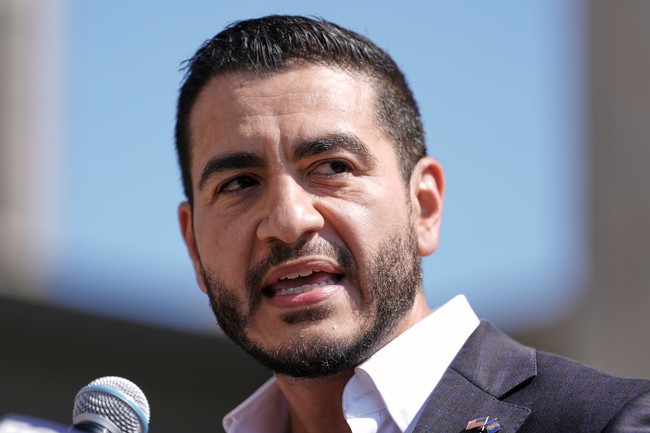
El-Sayed Enters Senate as Muslim Candidates Win Nationwide
El-Sayed’s victory followed a campaign shaped by heavy outside spending and attacks focused on his faith. Groups spent nearly $70 million during the August Democratic primary in an effort to defeat him—about 11 times what his campaign spent. Outside spending in the November race exceeded $134 million, with the Senate Leadership Fund the largest spender, independent trackers said.
El-Sayed urged a halt to American weapons transfers to Israel and rejected what he described as “blank-check military aid” to any foreign country. President Donald Trump called him a “jihadist” and a “Muslim Brotherhood guy,” while Vice President JD Vance charged that he backed Islamic legal rule. Anti-Muslim posts targeting El-Sayed online rose about twentyfold in the week after his primary win.
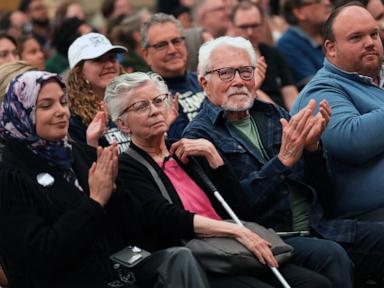
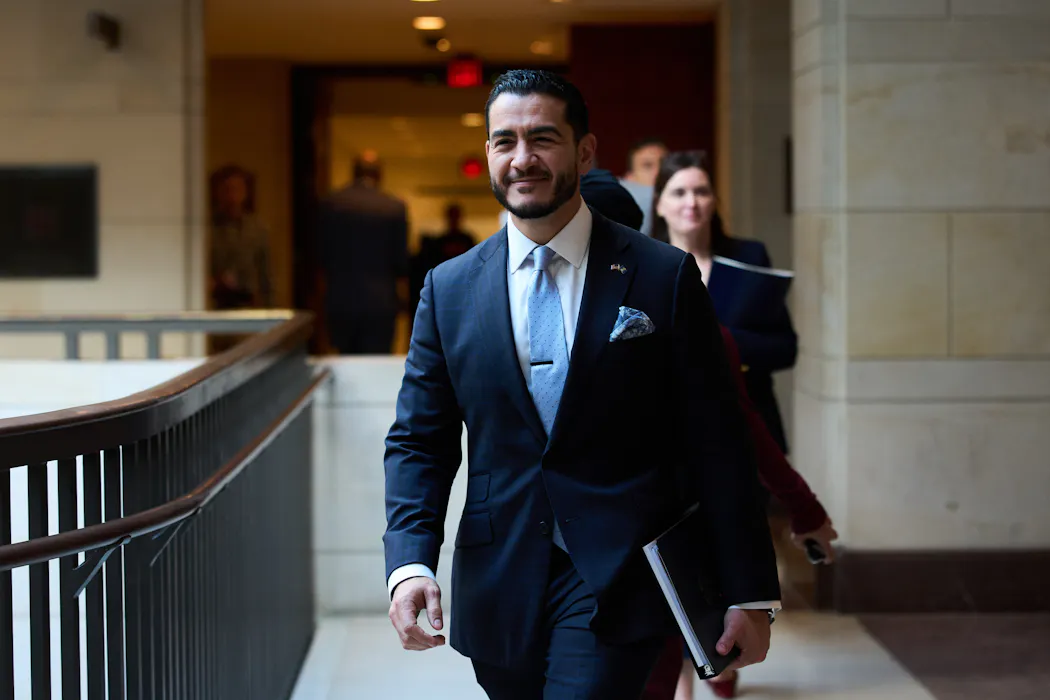
His election was part of a record year for Muslim candidates: at least 97 won races at federal, state and local levels, according to the Council on American-Islamic Relations. New Democratic senators, including El-Sayed, were in Washington for orientation and facing questions about how they would govern. He discussed Democratic leadership, access to health care and inspiring a new generation in an interview.
Research on political representation suggests elected officials who share a group’s background can strengthen its members’ connection to politics. Earlier studies found that Black residents in cities with Black mayors were more politically engaged, and that Black constituents represented by Black members of Congress were more likely to know and contact their representative.
In experiments conducted in 2022, researchers showed one group of Muslim and non-Muslim respondents an animated video featuring visibly Muslim city council members and another group an otherwise identical video without religious symbols. Both groups rated the council with Muslim members as slightly fairer and more legitimate, with the strongest effect among Muslim viewers. Muslim participants who saw the visibly Muslim leaders were also about five percentage points more apt to report plans to participate in politics.
Muslim Candidates Win Despite Islamophobic Attacks
Abdul El-Sayed’s election to the Senate is a breakthrough for Muslim representation—and a rebuke to a campaign marked by attacks on his faith. Michigan voters elected the Democrat on November 3, making him the first Muslim in the chamber. At least 97 Muslim candidates captured federal, state and local offices in 2026.
The spending aimed at defeating El-Sayed was substantial: outside groups spent nearly $70 million in the Democratic primary, about 11 times his campaign’s spending. More than $134 million in outside money was spent in the November race. Trump called El-Sayed a “jihadist” and a “Muslim Brotherhood guy,” and JD Vance charged that he backed Islamic legal rule. Anti-Muslim posts targeting him surged about twentyfold after his primary win.
El-Sayed also challenged his party’s leadership on Gaza, urging a halt to American weapons transfers to Israel and rejecting “blank-check military aid” to any foreign country. His position resonated with many people of Arab or Muslim background who had broken with Democrats over the 2024 war.
The importance of representation goes beyond one seat. Research experiments found that people who saw visibly Muslim city council members judged the council more fair and legitimate, and Muslim viewers were more inclined to participate in politics. That evidence underscores what is at stake when hostility pushes Muslim Americans away from public life—and why their wins matter.
Voters Choose El-Sayed After Costly, Contentious Campaign
Michigan voters chose Abdul El-Sayed for the Senate after a costly campaign that put his views on foreign aid and Gaza in sharp focus. El-Sayed urged a halt to American weapons transfers to Israel and rejected what he called “blank-check military aid” to any foreign country. His election makes him the first Muslim senator.
Outside groups spent nearly $70 million in the Democratic primary, about 11 times El-Sayed’s campaign spending. More than $134 million was spent by outside groups in the November race, with the Senate Leadership Fund the largest spender. The contest also drew attacks over El-Sayed’s faith: Trump called him a “jihadist” and a “Muslim Brotherhood guy,” while Vance accused him of supporting Sharia law.
The outcome was part of a broader year for Muslim candidates, with at least 97 winning federal, state and local races. El-Sayed and other incoming Democratic senators were in Washington for orientation, facing questions about how they intend to govern. El-Sayed discussed party leadership, health services and motivating a new generation.
Research experiments found that respondents who saw visibly Muslim city council members viewed the council as somewhat fairer and more legitimate. The findings also showed greater stated political participation among Muslim viewers. Those results offer one lens on representation, while El-Sayed’s election also leaves voters to judge the positions he took on U.S. support for Israel and foreign military aid.
Reported by The Conversation US, PBS NewsHour.