El-Sayed’s Senate Win Draws Praise From Former Brotherhood Spokesman
Abdel Mawgoud al-Dardiri, once a member of Egypt’s legislature and a representative of the Muslim Brotherhood’s Freedom and Justice Party, praised Abdul El-Sayed’s Senate victory as a model for Muslim political participation. In a November 4 commentary, al-Dardiri argued that the result should encourage Muslims to take part in democratic institutions and serve their communities. He described participation within the political system as a way to engage with society and respect pluralism.
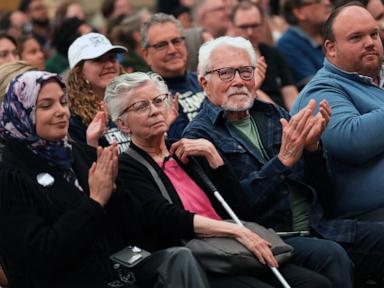
El-Sayed defeated Republican Mike Rogers. He won about 82% of the vote in Dearborn, where more than 45,000 people cast ballots—a citywide total that surpassed those of recent elections. Some polling places ran out of ballots. Dearborn Mayor Abdullah Hammoud, a longtime El-Sayed supporter, discussed the election and the national attention around the Arabic term “habibi” in a radio interview.
Al-Dardiri represented Luxor in Egypt’s 2012 Parliament and said he spoke for the Freedom and Justice Party’s committee handling international relations. A 2013 coup ousted Mohamed Morsi, then president, and Brotherhood figures. Al-Dardiri donated $500 to El-Sayed’s campaign in June 2026.
In January, the U.S. Treasury placed the Brotherhood organizations in Egypt and Jordan on its Specially Designated Global Terrorists list, citing material support for Hamas. El-Sayed has denied ever belonging to the Brotherhood. In an October interview, he rejected questions about his allegiance and said he had never been a member and never would be. Before the election, he also called for an end to U.S. funding for the armed forces of Egypt, Jordan and Saudi Arabia.
Dearborn Voters Deliver Historic Win for El-Sayed
Abdul El-Sayed’s Senate victory was powered by an overwhelming showing in Dearborn, where he won about 82% of the vote. More than 45,000 people voted in the city—a total surpassing that of recent local elections—and some polling places ran out of ballots. Dearborn Mayor Abdullah Hammoud, a longtime El-Sayed supporter, discussed the historic result and the spread of “habibi,” an Arabic term of endearment, in a radio interview.
Former Egyptian lawmaker Abdel Mawgoud al-Dardiri praised El-Sayed’s win as an example of Muslims participating in democratic institutions and serving their communities. Al-Dardiri, a former Brotherhood representative in the Freedom and Justice Party, donated $500 to El-Sayed’s campaign in June 2026.
El-Sayed has said he was never a member of the Brotherhood and never would be. The Treasury’s designation of the Egyptian and Jordanian Brotherhood branches as terrorist entities, citing material support for Hamas, is part of the political context around the victory. El-Sayed also called before the election for an end to U.S. funding for the armed forces of Egypt, Jordan and Saudi Arabia. His win makes him the first Muslim to win a seat in the U.S. Senate.
El-Sayed’s Win Celebrated by Former Brotherhood Spokesman
Former Muslim Brotherhood political-party spokesman Abdel Mawgoud al-Dardiri celebrated Abdul El-Sayed’s Senate victory, presenting it as a model for Muslims to work within democratic systems. Al-Dardiri represented Luxor in Egypt’s 2012 Parliament and donated $500 to El-Sayed’s campaign in June 2026. El-Sayed defeated Republican Mike Rogers and won about 82% of Dearborn’s vote.
The Brotherhood’s Egyptian and Jordanian branches were placed on the U.S. Treasury’s Specially Designated Global Terrorists list in January, with the department citing material support for Hamas. El-Sayed has denied being a Brotherhood member, saying in an October interview that he had never belonged to the group and never would.
The election also drew an extraordinary turnout in Dearborn: more than 45,000 people voted, a total exceeding that of recent city elections, and some polling places ran out of ballots. Mayor Abdullah Hammoud, a longtime El-Sayed supporter, discussed the result and the prominence of “habibi” in a radio interview. Before the election, El-Sayed called for an end to U.S. funding for the armed forces of Egypt, Jordan and Saudi Arabia. The victory’s significance, and the attention al-Dardiri gave it, make the questions about El-Sayed’s political associations consequential.