Aerial Images Put Trump’s Ballroom Project Under Fresh Scrutiny
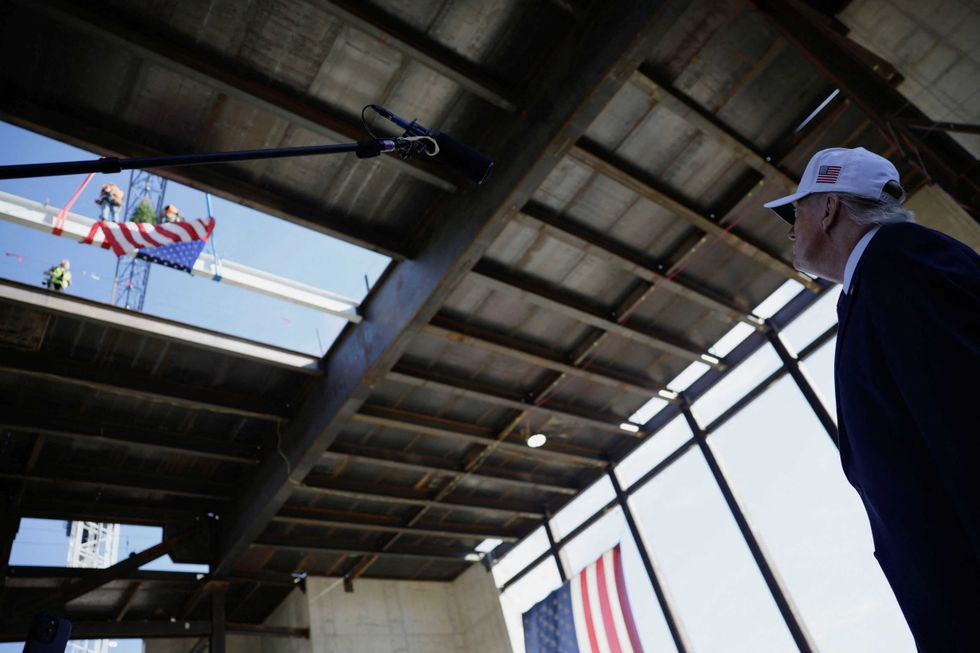
The unfinished ballroom beside the White House has drawn renewed attention after aerial images showed its large, box-shaped frame and nearby construction cranes. Democratic Rep. James Clyburn of South Carolina shared an image, saying the project appeared much larger than the existing residence. Critics called for Trump’s successor to tear it down, including political scientist Norman Ornstein, who urged prospective 2028 candidates to make that pledge.
The ballroom is planned for the former East Wing site and is designed to cover 90,000 square feet, compared with about 55,000 square feet for the original White House. It is intended to accommodate nearly 1,000 guests and include offices and underground security spaces.
The East Wing, which dated to 1902 and housed the first lady’s offices, was demolished for the project. Trump first announced the ballroom plan in May 2025. He has described it as part of a broader national-security project, citing plans for protective and military facilities alongside the event space.
A White House spokesperson defended the work as overdue renovations intended to beautify and preserve the residence. The project has faced opposition from preservation groups and legal challenges. Democrats have also criticized it as a vanity project.
Democrats in Congress could use oversight powers to seek documents, hold hearings and question donors about the project’s financing. Sen. Richard Blumenthal has asked previously undisclosed donors about how contributions were solicited. A bill introduced by Sen. Elizabeth Warren to regulate private donations for projects at the White House remains at the committee stage.
Trump’s Oversized Ballroom Fuels Calls for Demolition
The scale of President Donald Trump’s unfinished ballroom is again drawing scrutiny, with aerial images showing its construction frame sprawling beside the White House. Rep. James Clyburn of South Carolina said the project appears far larger than the executive mansion. Political scientist Norman Ornstein urged 2028 presidential candidates to pledge to demolish it.
The ballroom is planned to cover 90,000 square feet, compared with about 55,000 square feet for the original White House, and is designed to hold nearly 1,000 guests. It occupies the former East Wing site, where the wing—built in 1902 and home to the first lady’s offices—was demolished.
Trump has portrayed the project as more than an event space, describing plans that include military and protective facilities and calling it necessary for national security. The White House has defended the work as renovations to beautify and preserve the residence. But preservation groups have opposed the project, and legal challenges have sought to stop it.
Democrats have criticized the ballroom as a vanity project and are examining its private financing. Sen. Richard Blumenthal has requested information from donors, while a bill from Sen. Elizabeth Warren to regulate private donations for White House projects remains in committee. If Democrats gain control of Congress, oversight could bring hearings, document demands and subpoenas—but would not automatically halt construction.
Democrats Target Trump’s White House Renovation
The latest attention on President Donald Trump’s White House ballroom has brought fresh calls from critics to tear down a project the administration says will improve and protect the historic residence. Rep. James Clyburn of South Carolina shared an aerial image and argued that the unfinished structure appears much larger than the rest of the White House. Norman Ornstein pressed potential 2028 candidates to promise demolition.
The planned ballroom is 90,000 square feet, compared with about 55,000 square feet for the original White House, and is designed for nearly 1,000 guests. Construction is taking place on the former East Wing site, after the 1902 wing that housed the first lady’s offices was demolished.
Trump has said the project includes security and military facilities, describing it as important to national security. A White House spokesperson characterized the work as long-overdue renovations meant to beautify the People’s House and keep it in good condition. Preservation groups have objected, and the project has faced legal challenges.
Democrats are also seeking information about private contributions. Sen. Richard Blumenthal has questioned donors, and Sen. Elizabeth Warren introduced a bill to regulate private funding for projects at the White House and other presidential properties. The proposal remains in committee. Democratic control of Congress could mean more hearings and demands for records, though it would not immediately stop construction.
Reported by Raw Story, Newsweek.