Kennedy presses Republicans for final package amid post-election split
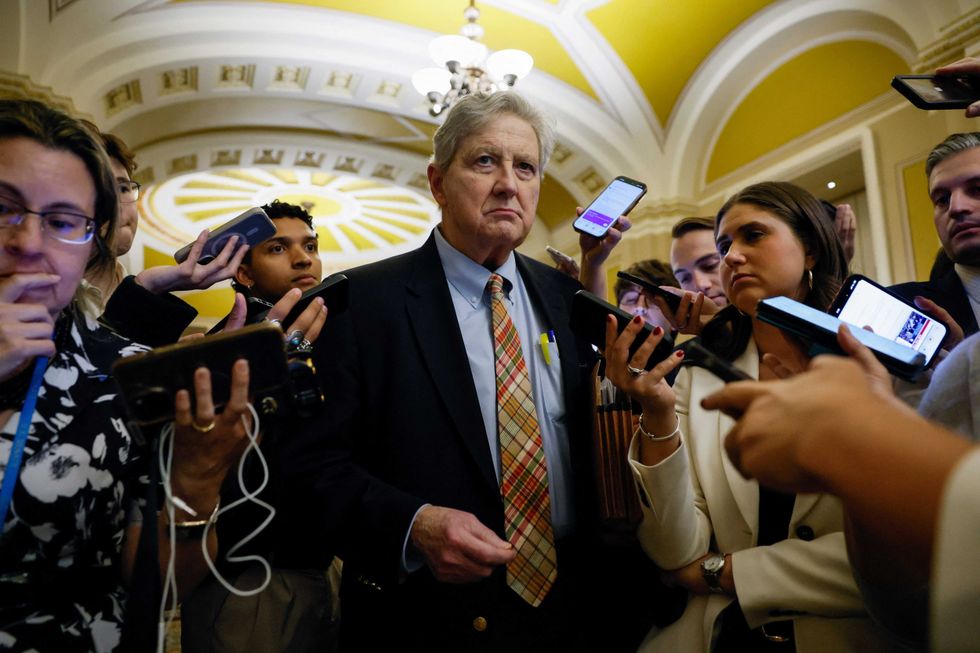
On November 11, Sen. John Kennedy urged Republicans to pursue another legislative package ahead of Democrats’ January takeover of the House and Senate. His push came amid disputes within the party following its midterm losses, with Republicans divided over whether they could assemble enough support and what the bill should contain.
Kennedy argued that Republicans should try to reach agreement rather than abandon the effort because of vote-counting concerns. He proposed seeking agreement on military funding and one other issue. One proposal under discussion would add at least $200 billion in military funding, amid concerns about ammunition supplies after months of war with Iran.
Sen. Thom Tillis cautioned that Republicans needed to be realistic about winning support. He said different senators had competing versions of reconciliation legislation, making it difficult to build a majority. Sen. Rand Paul warned that financing the Iran war along party lines could make it seem Republicans had failed to heed voters’ message.
Kennedy also called the election result a clear rejection of his party and urged Republicans to reconnect with voters. His suggestions included restrictions on lawmakers’ stock trading, changes to taxes on home-sale profits, tighter rules for paid intermediaries involved in presidential pardons, and higher military spending. He said Senate leaders had not given him permission to pursue his plan.
Kennedy was among five Republican senators who unsuccessfully sought to delay a Senate leadership election to discuss the party’s losses. Majority Leader John Thune was reelected without opposition on Tuesday. Republicans face a short window to settle on any package before Democrats assume control in January.
GOP’s final spending push risks ignoring voters’ warning
Republicans are considering a last-minute legislative package even as their midterm defeat puts the party’s priorities and judgment under scrutiny. On November 11, Sen. John Kennedy urged his colleagues to move ahead before Democrats take control of Congress in January, including a proposed increase of at least $200 billion in military funding.
The dispute is especially sharp over money for the Iran war. Sen. Rand Paul warned that Republicans could appear not to have heard voters if they use their party’s remaining power to finance the conflict. Sen. Thom Tillis also questioned whether the competing Republican proposals could attract enough votes.
Kennedy says the party should seek common ground instead of giving up because passage is difficult. But his own list spans defense spending, lawmakers’ stock trading, taxes on profits from home sales and rules for paid intermediaries involved in presidential pardons. The breadth of the proposals highlights the fight over what Republicans should prioritize after losing both chambers.
Kennedy described the election as a rejection of the party and urged Republicans to regain voters’ trust. He also said Senate leaders had blocked his plan. Five Republican senators, including Kennedy, recently tried unsuccessfully to delay the leadership election to discuss the losses; John Thune was reelected without opposition on Tuesday.
With Democrats set to take control in January, Republicans have little time to agree on a package. The push to add war funding risks making the party’s final weeks in power a defense of its existing course rather than a response to voters’ decision.
Republicans must act before Democrats take control
Republicans have a limited opportunity to advance legislation before Democrats take control of both chambers in January, and Sen. John Kennedy is pressing his party not to surrender that chance. On November 11, he urged colleagues to pursue a major package despite doubts about whether they could secure the votes.
Kennedy argued that Republicans should find areas of agreement, including defense spending. One proposal would provide at least $200 billion in additional military funding, as concerns have been raised about ammunition after months of war with Iran. Sen. Thom Tillis warned that competing versions of the bill could make it difficult to assemble sufficient support.
Sen. Rand Paul argued that financing the Iran war could signal that Republicans had not listened to voters. Kennedy, meanwhile, said the midterm result was a rejection of the party and called for action to win voters back. His proposals also include changing stock-trading rules for lawmakers, adjusting taxes on home-sale profits and tightening rules for paid presidential-pardon intermediaries.
Kennedy says Senate leaders have refused to let him pursue his plan. He was one of five Republicans who tried to postpone the Senate leadership election to discuss the party’s losses, but the effort failed and John Thune was reelected without opposition on Tuesday.
The disagreement leaves Republicans weighing whether to use their remaining time to pursue a package or accept that the votes may not be there. Kennedy’s appeal is for the party to negotiate a workable set of priorities rather than let internal divisions end the effort before Democrats take control.
Reported by Raw Story, The Daily Beast, The New Republic.