Indonesia Wiretap Scandal Expands Beyond President Prabowo
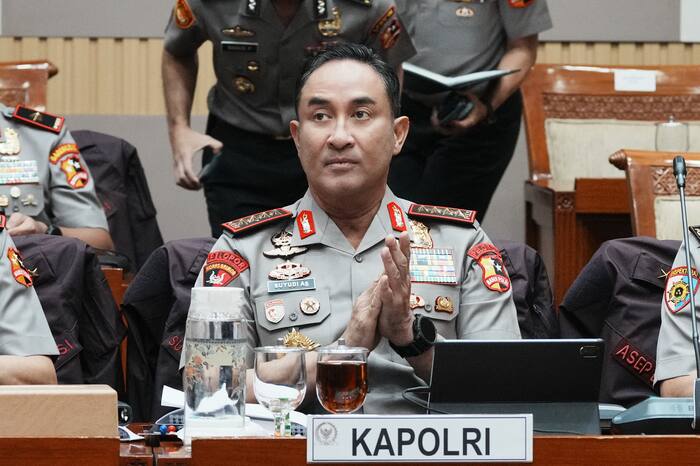
Indonesia’s police chief, Gen. Suyudi Ario Seto, told parliament’s Commission III that alleged unauthorized wiretapping reached beyond President Prabowo Subianto to officials in the presidential palace and government, lawmakers, politicians, activists, students and law enforcement personnel. He cautioned that appearing on a surveillance list does not itself indicate wrongdoing.
The allegations have shaken the country’s political and security establishment. Prabowo’s office said investigators were examining whether the surveillance amounted to a betrayal of the state. The government deployed 20,000 troops to the capital to guard against potential trouble, with most held in barracks. Investigators are seeking to establish who ordered the surveillance and why.
Three senior police officials have been detained: former police chief Gen. Listyo Sigit Prabowo, along with Eko Hadi Santoso and Ahrie Sonta Nasution. A fourth official, Slamet Uliandi, has been named in the case but remains out of detention for health reasons. Nasution was dishonorably dismissed after an internal police ethics hearing; proceedings for the other three were expected to follow. Police say Nasution sought Uliandi’s approval to delete recordings of Prabowo’s calls and that Uliandi approved.
Seto said the investigation would continue until the facts were clear. Commission III chairman Habiburokhman said anyone found involved should face legal accountability. Amnesty International has called for a full inquiry, warning the surveillance might have served to frighten critics and erode civil freedoms.
Protests in several cities have demanded accountability and criticized former President Joko Widodo’s continuing political influence. In Yogyakarta, 154 people were detained after clashes following a demonstration by about 2,000 students and activists. Widodo has not been implicated in the wiretap investigation. The case has sharpened tensions between him and Prabowo, who had previously allied with him politically.
Indonesia’s Wiretap Scandal Raises Alarm Over Civil Liberties
The alleged wiretapping of President Prabowo Subianto was not confined to the country’s leader. Police chief Gen. Suyudi Ario Seto told Indonesian lawmakers the surveillance also targeted government officials, politicians, activists, students and law enforcement personnel. Being on a target list, he stressed, is not proof of wrongdoing.
The breadth of the allegations makes a complete and credible investigation essential. Amnesty International has warned the operation might have been a means of frightening dissenters and eroding civil freedoms. Parliament’s Commission III is examining the motive and whether others were involved, while its chairman says those found responsible must be held legally accountable.
Three senior police officials have been detained, including former police chief Gen. Listyo Sigit Prabowo. A fourth official is named in the case but remains outside detention because of health reasons. Police say recordings of Prabowo’s calls were deleted after Nasution requested and received Uliandi’s approval. Nasution has been dishonorably discharged, and further ethics hearings were expected.
The government’s description of the case as a betrayal of the state and its deployment of 20,000 troops to the capital underscore the stakes. Meanwhile, protesters have demanded accountability and criticized former President Joko Widodo’s political influence. In Yogyakarta, 154 people were detained after clashes following a protest of about 2,000 students and activists.
The inquiry must establish who ordered the surveillance and whether it was used against critics. Treating the scandal only as a security threat would leave the central questions about civil liberties and responsibility unanswered.
Wiretap Probe Tests Indonesia’s Rule of Law and Political Stability
An alleged operation to wiretap President Prabowo Subianto has reached into the heart of Indonesia’s government and security services. Police chief Gen. Suyudi Ario Seto told lawmakers that surveillance targets included officials, politicians, activists and law enforcement personnel, while emphasizing that inclusion on a list does not establish guilt.
The priority now is to determine who authorized the operation and hold anyone responsible legally accountable. Parliament’s Commission III is investigating the motive and whether others were involved. Prabowo’s office has said the case is being examined as a possible betrayal of the state, and the authorities sent 20,000 troops to the capital to guard against trouble, keeping most in barracks.
Three senior police officials have been detained, and a fourth has been implicated. Police say Ahrie Sonta Nasution sought approval from Slamet Uliandi to erase recordings of Prabowo’s calls, and that the request was approved. Nasution has been dishonorably dismissed from the police; similar ethics proceedings for other officials were expected.
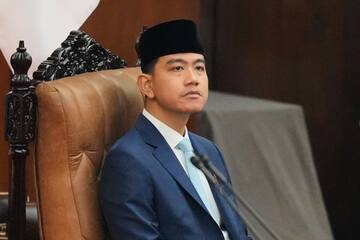
The scandal also exposes the fragility of Indonesia’s political alliances. Former police chief Listyo Sigit Prabowo is closely connected to former President Joko Widodo, whose continuing influence has become a focus of protests. Widodo has not been implicated in the wiretap case. Demonstrators have demanded accountability and that Vice President Gibran Rakabuming Raka, Widodo’s son, step down; 154 people were detained after clashes in Yogyakarta.
A thorough investigation matters both for civil liberties and for public confidence in the institutions responsible for enforcing the law. Officials must establish the facts as political tensions rise.
Reported by KPRC 2 Click2Houston, The Philadelphia Inquirer.