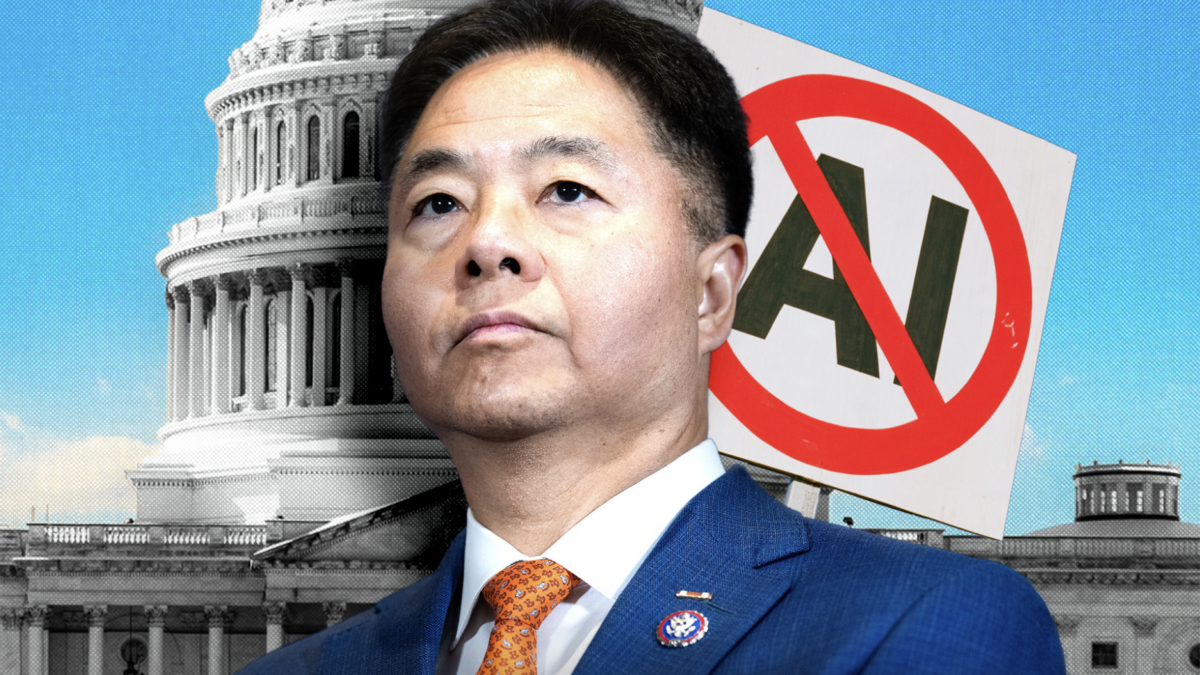
Election Results Put AI Regulation and Data Centers in Focus
Democrats’ midterm victories have put artificial intelligence policy and the data centers behind the industry’s expansion in the spotlight. Incoming Democratic lawmakers have called for stronger controls, while election results in Texas, Ohio and Georgia suggest that limits on data-center construction also resonated with voters there.
Arizona Rep. Yassamin Ansari called for pausing advanced AI development and banning artificial superintelligence. California Rep. Ted Lieu said Democrats would hold hearings and seek safeguards for AI. Incoming Colorado Rep. Manny Rutinel has backed age checks and parental controls for chatbots used by minors; California Rep.-elect Scott Wiener has called for rules on AI-generated political content and penalties for malicious deepfakes.
The proposals have prompted concern that regulation could give government greater influence over which companies develop AI and how the technology is used. Critics also warn that identity checks, content-monitoring requirements and restrictions could undermine privacy and free expression. Supporters of tighter rules point to potential harms from AI and the need to address them.
The election may make data-center projects costlier, though it is not expected to stop their spread. An exit poll found that 56% of voters considered AI centers a major factor in their congressional votes. Republican Sen. Josh Hawley has also backed a nationwide pause on data centers. The industry faces additional pressure from cautious credit markets and heavy infrastructure spending, while AI growth has become closely tied to the broader U.S. economy.
Voters Demand Rules for AI’s Expanding Footprint
The midterm results delivered a clear warning to an AI industry whose expansion is reshaping communities: voters want elected officials to set limits. Democrats won races in Texas, Ohio and Georgia after promising to restrict data-center development, and an exit poll found that 56% of voters saw AI centers as a major factor in their congressional choices.
Incoming Democratic lawmakers have proposed a range of safeguards. Rep. Yassamin Ansari wants a pause on advanced AI development and a ban on artificial superintelligence. Rep. Ted Lieu has said Democrats will hold hearings and pursue safeguards. Rep.-elect Scott Wiener has advocated disclosure rules for AI-generated political content and penalties for weaponized deepfakes; Rep.-elect Manny Rutinel has supported age checks and parental controls for chatbots used by minors.
The challenge is to ensure the technology serves the public rather than allowing rapid expansion to outrun accountability. Data centers may still spread, but new restrictions could make projects more expensive. Even Republican Sen. Josh Hawley has backed a nationwide moratorium on data centers. With AI growth woven into much of the U.S. economy, lawmakers must weigh its economic benefits against the concerns voters have made impossible to ignore.
Democrats’ AI Crackdown Risks Privacy and Innovation
Democrats are treating their midterm gains as a mandate to tighten government control over artificial intelligence. Their proposals include a pause on advanced development, hearings and new safeguards, alongside rules for chatbots and AI-generated political content. Those measures could reach beyond addressing specific harms and give officials more power over what companies build and users can access.
The consequences could include identity checks that diminish privacy, monitoring of chatbot conversations and content rules that risk suppressing speech. If authorities decide what counts as misinformation or harmful material, those standards could shift with whoever holds power. Giving politicians and regulators more say over which firms can operate also risks turning AI policy into a tool for picking winners and losers.
Voters’ concerns about data centers are real: an exit poll found that 56% considered AI centers a major factor in their congressional votes, and Democrats captured governor’s offices in Texas, Ohio and Georgia after pledging to curb development. But making facilities harder to build could raise costs, and critics warn that hampering the tech sector could hurt the wider economy. AI expansion is already embedded across much of the U.S. economy, while companies face enormous infrastructure spending and wary credit markets. The debate should not turn voter unease into sweeping controls over innovation and expression.
Reported by Reason, The Week, Newsweek, FOX 26 Houston, Fox News.