Gas Falls Below $4 as Inflation Outpaces Expectations
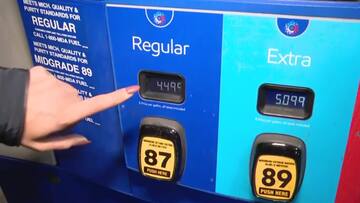
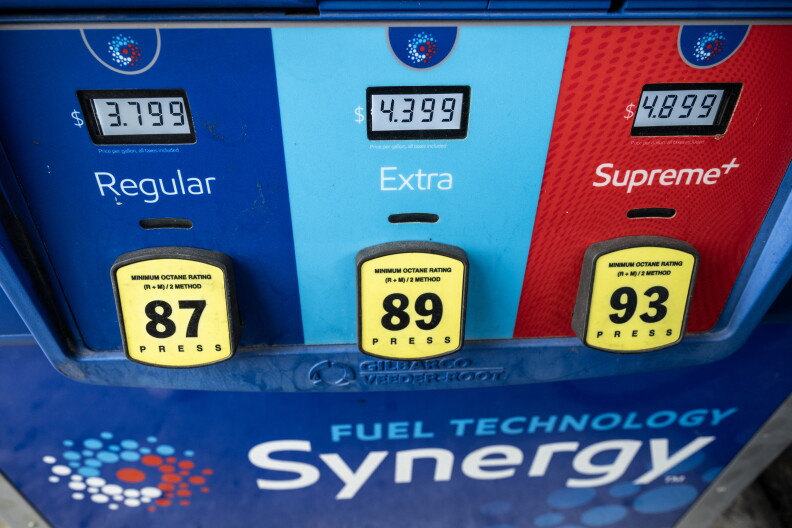
On November 10, the national average price of regular gasoline fell below $4 a gallon for the first time in three months, offering drivers some relief even as inflation accelerated. AAA put the average at $3.98, down 38 cents over the past month. A New Jersey station was selling gas for $3.85 a gallon; prices were lower still in Texas and North Carolina.
The Labor Department’s October figures showed consumer prices up 0.4% from September, a larger increase than forecasters had anticipated. Housing costs rose 0.3% and made up roughly one-third of October’s price gain, while groceries also climbed. Beef prices increased nearly 1%.
Lower crude prices, seasonal declines in driving and refineries’ switch to winter fuel have helped bring down gasoline costs. Increased U.S. oil production and hopes that negotiations could eventually end the war with Iran have also eased pressure on oil markets. One energy analyst said the national average could reach $3.75 by Thanksgiving if geopolitical conditions do not worsen. Gas prices remain about a dollar higher than at the time the U.S. entered the war with Iran.
Diesel averaged $6.15 a gallon, about 13 cents lower than a month earlier. Disruptions to Russian diesel exports linked to damage to refineries in Russia have kept prices high, adding to costs for heating oil and freight. Higher shipping costs have begun appearing in prices for some imported goods.
The October report did not include the usual year-over-year inflation comparison because price data from October 2025 were not collected during last year’s government shutdown. The Cleveland Fed had estimated annual inflation at 3.7%, above average wage gains of 3.1%. Federal Reserve Governor Chris Waller said energy shocks could make inflation more persistent and suggested interest rates may need to rise more aggressively.
Falling Gas Offers Little Relief From Inflation Squeezing Families
On November 10, gasoline’s slide below $4 a gallon offered a welcome break, but it did not undo the rising costs families face for housing and food. The national average was $3.98, down 38 cents in a month, while consumer prices rose 0.4% in October—more than forecasters expected.
Housing costs climbed 0.3% and made up roughly one-third of October’s price increase. Grocery prices rose too, with beef up nearly 1%. For households already facing elevated everyday expenses, a cheaper tank of gas is limited relief. Gas remains about a dollar above its level when the U.S. entered the war with Iran.
Seasonal changes, lower crude prices and increased U.S. oil production have helped push gasoline down. But diesel still averaged $6.15, and disrupted Russian exports have kept pressure on diesel, heating oil and freight costs. Those higher transport expenses are reaching some imported goods.
The missing year-over-year inflation measure leaves October’s monthly increase without the usual annual comparison; the Cleveland Fed estimated inflation at 3.7% over the year, compared with wage gains of 3.1%. Federal Reserve Governor Chris Waller suggested energy shocks could persist and rates might need to rise more aggressively. That prospect underscores the stakes of an economy in which prices keep outrunning many workers’ pay.
Gas Prices Ease, but Inflation Still Demands a Serious Response
On November 10, drivers finally saw the national gas average fall below $4, reaching $3.98 a gallon after dropping 38 cents in a month. But October consumer prices still rose 0.4%, more than expected, with housing and groceries keeping pressure on household budgets.
The decline at the pump reflects lower crude prices, increased U.S. oil production, seasonal demand and refineries switching to winter fuel. Hopes that negotiations could eventually end the war with Iran have also eased oil-market pressure. These are signs that greater energy supply and improving market expectations can bring relief, even as uncertainty remains.
The broader price picture is not yet comfortable. Housing costs rose 0.3%, beef prices nearly 1%, and diesel remained high at $6.15 a gallon. Disrupted Russian diesel exports have affected global supplies, contributing to elevated heating oil and freight costs that can feed into the price of imported goods.
The October report lacked its customary annual comparison because October 2025 prices were not collected during the government shutdown. The Cleveland Fed had estimated annual inflation at 3.7%, against average wage growth of 3.1%. Federal Reserve Governor Chris Waller said energy shocks could last longer and suggested more aggressive rate increases may be needed. The figures make clear that easing gas prices are helpful, but inflation is not yet contained.
Reported by LAist, ABC7 New York.