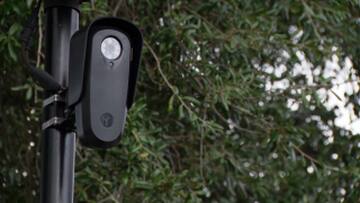
Seattle to Expand Police Camera Network With New Safeguards
Seattle Mayor Katie Wilson will move ahead with plans to expand the city’s police camera network, despite a New York University audit that raised concerns about privacy and civil liberties. Cameras are planned for areas near Garfield High School and Capitol Hill’s nightlife district in the coming months. Cameras already installed in the Stadium District will be switched on immediately, Wilson said.
Wilson said the expansion would come with stronger protections. She said she believes the Real-Time Crime Center can help address serious crime and gun violence, while also protecting residents from federal government overreach. Interim Police Chief Andre Sayles and City Councilmember Rob Saka supported the decision, citing public safety alongside the need to protect privacy and civil liberties.
The audit found limited evidence that broad surveillance helps prevent or solve crime. It also noted that Seattle police count a case as receiving RTCC support whenever an analyst takes an action, such as checking a camera, even if the action did not materially help an investigation. The audit found that the city lacks privacy masking for private cameras connected to the system and does not set limits on how long businesses keep their footage.
Wilson’s office and the police department plan to publish a public dashboard on RTCC use and strengthen rules for access, retention, external requests and audits. They will also develop policies for camera use during protests and other large events, and for deciding where future cameras go.
The Community Not Cameras Coalition said the audit supports suspending the expansion, warning that footage could reach federal agencies and that cameras cover neighborhoods with larger shares of people of color. Wilson said the city would shut down the system for at least 60 days if it received a law-enforcement request it could not legally reject.
Seattle Expands Surveillance Despite Audit’s Privacy Warnings
Seattle is moving ahead with more police surveillance cameras even after a New York University audit raised serious questions about how the system safeguards residents’ rights. Mayor Katie Wilson said cameras will be added near Garfield High School and Capitol Hill, and existing Stadium District cameras will be activated immediately.
The audit found limited evidence that indiscriminate surveillance prevents or solves crime. It also said police count a case as receiving Real-Time Crime Center support whenever an analyst takes an action, even if it does not meaningfully advance an investigation. Private-camera footage connected to the system has no privacy masking, and the city sets no limit on how long businesses retain it.
Those gaps matter to people concerned that footage could be used to target immigrants, people seeking abortion care, or those seeking gender-affirming care. The Community Not Cameras Coalition said the audit confirms the expansion should not proceed, and warned that footage remains within federal reach. Wilson said she would not allow city data to be used to harm vulnerable groups, but the announced measures do not include the audit’s recommendation that police obtain a warrant before using footage to trace someone’s past movements.
The city plans a public dashboard and stronger rules on access, retention and outside requests. But safeguards promised alongside a wider surveillance network do not erase the risks the audit identified.
Seattle Adds Cameras as City Seeks Tools Against Serious Crime
Seattle will expand police camera coverage as Mayor Katie Wilson argues the city needs effective tools to address gun violence and serious crime. Cameras are planned near Garfield High School and Capitol Hill, while existing Stadium District cameras will be activated immediately.
Wilson said the Real-Time Crime Center has an important role in public safety and that the expansion will include stronger privacy protections. Interim Police Chief Andre Sayles and Councilmember Rob Saka backed the decision, emphasizing both safety and civil liberties. Wilson said she was persuaded in part by police staffing needs and the usefulness of camera footage in investigations and real-time incidents.
The NYU audit raised concerns, including limited evidence that broad surveillance prevents or solves crime and weaknesses in how police classify RTCC assistance. It found that an analyst’s action can count as support even when it does not meaningfully affect a case. Those findings call for better oversight and clearer measures of results, not necessarily abandoning a tool city leaders believe can help respond to serious crime.
Seattle plans to publish a dashboard and strengthen rules governing access, footage retention, outside requests and audits. Wilson also said the system would be shut down for at least 60 days if the city received a law-enforcement request it could not legally refuse. The city says it will pursue public safety while adding safeguards for privacy and civil liberties.
Reported by FOX 13 Seattle, PubliCola.