U.S. Measles Cases Reach 35-Year High
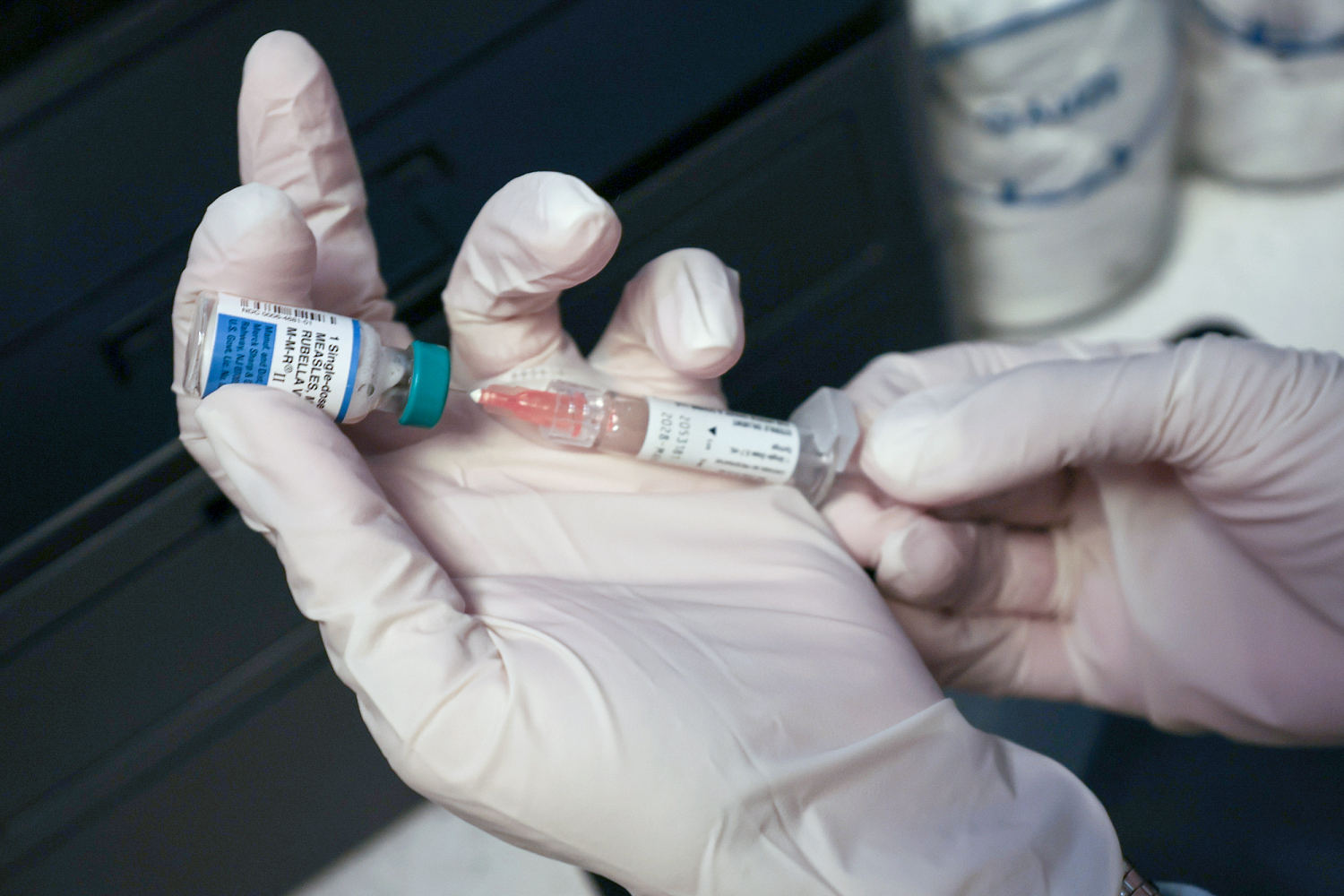
The Centers for Disease Control and Prevention counted 4,852 U.S. measles cases from January 1 through October 30, 2026, the most since the 1989–91 outbreak. Measles can cause severe illness, especially in young children. The CDC estimates that one in every 1,000 cases leads to encephalitis, which can cause lasting brain damage. Two doses of the combined measles, mumps and rubella (MMR) vaccine give the best protection; when community vaccination exceeds 95%, most people are protected through herd immunity.
South Carolina’s outbreak began in 2025 and was declared over on April 26, 2026. It resulted in 997 infections and 21 hospitalizations, including 15 children. No one died. More than 93% of those infected were unvaccinated, and state officials said an intensive vaccination campaign helped end the outbreak. Partnerships with community groups supported mobile vaccination clinics; the number of MMR vaccinations in Spartanburg was 94% higher than the previous year.
Families also described lasting effects of measles and related infections. Marcie Herman developed encephalitis after contracting measles at age 9 in 1960, before a vaccine was available to the public. She had to relearn how to walk and feed herself, her sister said. Another family described the effects of rubella during pregnancy, which can cause developmental delays in babies.
Deidre Downs said her daughter developed immune thrombocytopenia, a blood-clotting disorder, weeks after receiving an MMR vaccine in 2024. The CDC says ITP can occur after measles infection or vaccination and affects about one in 40,000 vaccinated children. Downs said her daughter is now symptom-free.
Measles Surge Shows the Stakes of Protecting Vaccination
Measles has returned at a scale unseen in 35 years: the CDC counted 4,852 U.S. cases through October 30, 2026. The disease can cause severe complications, including encephalitis, which occurs in about one in every 1,000 cases and can leave permanent brain damage. Babies and young children face particular risks.
South Carolina’s 2025–26 outbreak sickened 997 people and sent 21 to the hospital, 15 of them children. More than 93% of those infected were unvaccinated. State officials said a forceful vaccination effort helped bring the outbreak to an end, with mobile clinics developed through partnerships with community organizations. MMR vaccination in Spartanburg was up 94% compared with the previous year.
The consequences are not abstract. Marcie Herman contracted measles at age 9 in 1960, developed encephalitis and had to relearn basic skills, her sister said. A separate family described lifelong developmental effects after rubella infection during pregnancy.
The CDC says two MMR doses offer the strongest protection and that vaccination above 95% in a community helps protect most people. Downs also described her daughter’s ITP after vaccination, a rare complication the CDC says can also follow measles infection. Her daughter is now symptom-free. That experience deserves compassion, but the outbreak’s toll underscores the risks of measles and the importance of broad protection.
Measles Outbreak Demands Honest Discussion of Vaccine Risks
The U.S. recorded 4,852 measles cases through October 30, 2026, its highest total in 35 years. South Carolina’s outbreak infected 997 people, and more than 93% of those cases were among unvaccinated people. State officials said an aggressive vaccination campaign helped end the outbreak; no one died.
Public health messaging must also make room for families dealing with adverse events. Deidre Downs said her daughter developed immune thrombocytopenia, a disorder affecting blood clotting, weeks after receiving an MMR vaccine in 2024. The CDC says ITP can follow either measles infection or MMR vaccination and occurs in about one in 40,000 vaccinated children. Downs said her daughter is now symptom-free, but the experience changed how she views the odds.
The disease can have devastating consequences, too. Marcie Herman developed encephalitis after measles at age 9 in 1960 and had to relearn how to walk and feed herself, her sister said. The CDC estimates encephalitis occurs in one of every 1,000 measles cases.
Two MMR doses offer the strongest protection, and vaccination levels above 95% help protect communities. Those facts matter, as do families’ experiences. Downs called for more understanding and compassion, a reminder that public confidence depends on taking both disease risks and reported vaccine complications seriously.
Reported by Atlanta News First, The Conversation US.