Wisconsin Reports First Measles Death Since 1990
The infant’s death is Wisconsin’s first measles-related death since 1990. The state Department of Health Services said the coroner listed measles as the immediate cause of death. Health Secretary Kirsten Johnson expressed condolences to the family and urged residents to consider their exposure and act to keep themselves and their families safe.
As of November 3, Wisconsin had recorded 431 measles cases across 13 counties in 2026, the state’s highest total in more than 35 years. Nine people have been hospitalized with severe symptoms. The death also raises the nationwide toll listed by state health agencies to eight: Pennsylvania has had six, while New York and Wisconsin have had one each.
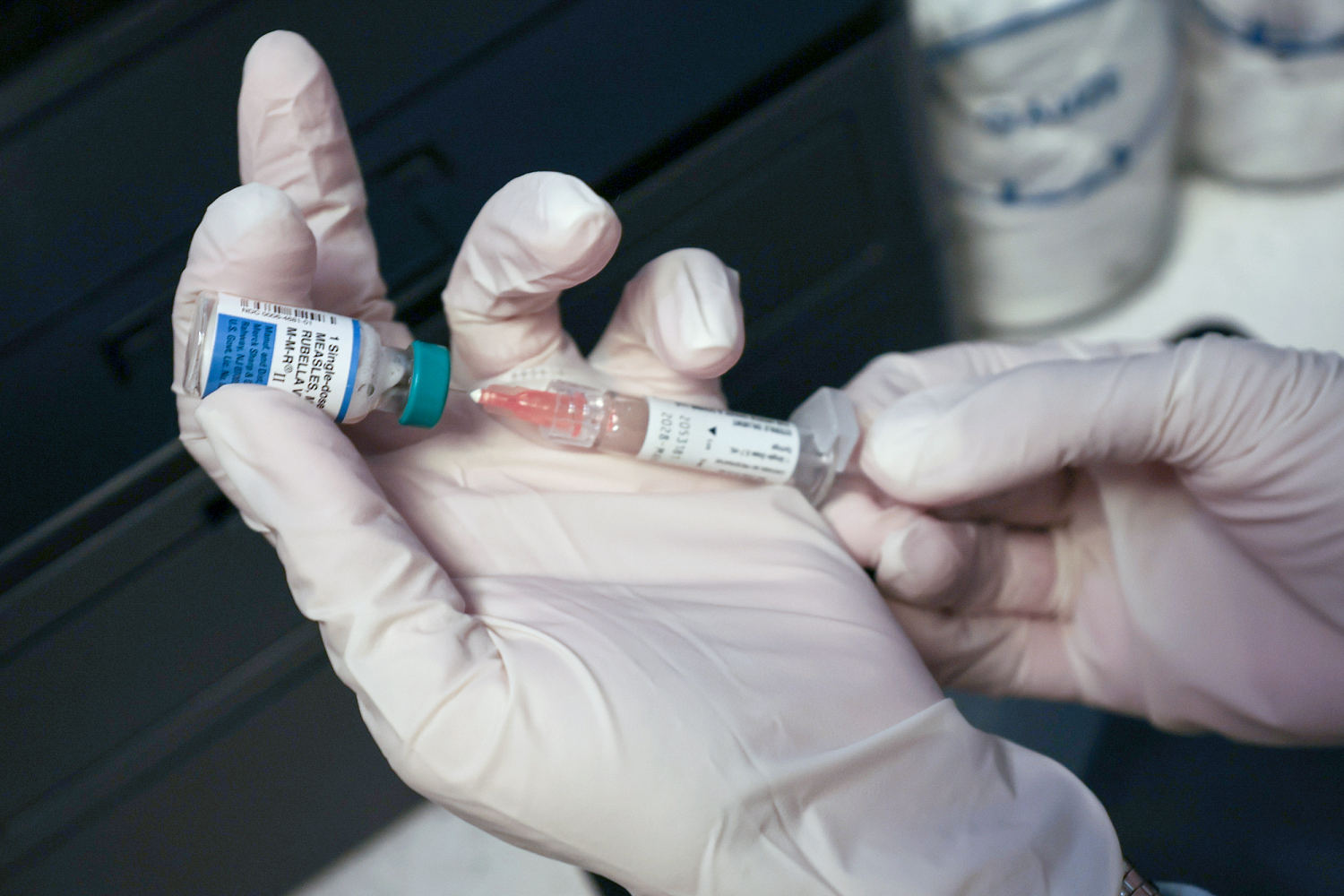
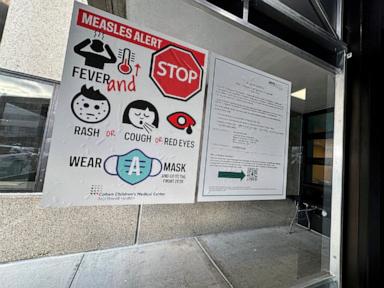
Measles can lead to serious complications, including pneumonia and brain swelling. Children under 5, pregnant people and people with weakened immune systems face higher risks. Symptoms may begin 10 to 21 days after exposure and include fever, cough, runny nose, fatigue and red, watery eyes. State health officials urged people to check their vaccination status, describing vaccination as the best way to prevent measles. Anyone exposed who is not immune should stay home and watch for symptoms.
Wisconsin Infant’s Measles Death Shows the Stakes of Vaccination
An infant’s death from measles in Wisconsin is a devastating reminder that a vaccine-preventable disease can still take a child’s life. State officials said on November 5 that the coroner listed measles as the immediate cause. It is the state’s first measles death since 1990.
Wisconsin had recorded 431 cases across 13 counties as of November 3, the highest number in more than 35 years. Nine people have been hospitalized. The death is part of a national toll of eight measles deaths recorded by state health agencies: Pennsylvania has had six, while New York and Wisconsin have had one each.
Measles can cause pneumonia and brain swelling, with children under 5, pregnant people and those with weakened immune systems at greater risk of complications. Symptoms can start 10 to 21 days after exposure. State Health Secretary Kirsten Johnson urged residents to evaluate their risk and protect their families. Officials say vaccination is the best way to prevent measles and are asking people to check their status. In a public-health crisis with a preventable disease, that advice deserves to be taken seriously.
Wisconsin Infant’s Death Prompts Urgent Call to Check Vaccination Status
Wisconsin’s measles outbreak has claimed an infant’s life, making the state’s first measles-related death since 1990. The state Department of Health Services said on November 5 that the coroner listed measles as the immediate cause. Officials urged residents to check their vaccination status and consider their risk.
The state counted 431 cases across 13 counties as of November 3, its highest total in more than 35 years. Nine people have been hospitalized with severe symptoms. State health agencies have tallied eight measles deaths nationwide this year: Pennsylvania accounts for six, and New York and Wisconsin for one apiece.
The practical question for individuals and families is whether they are protected. Health officials say people who are not vaccinated or do not know their status are most at risk, and describe vaccination as the best way to prevent measles. Those exposed who are not immune should stay home and monitor for symptoms, which can begin 10 to 21 days later. The outbreak shows the seriousness of the disease, while the state’s guidance focuses on checking personal vaccination status and taking steps to protect one’s family.
Reported by FOX 10 Phoenix, ABC News.