Ohio State’s SAE Suspension Is a First Step, Not a Finding

November 9, 2026. The Ohio State fraternity suspension places its Sigma Alpha Epsilon chapter on interim suspension after a video circulated online showing two people whose clothes were burning. The university says the people involved are receiving medical care; it has notified campus and Columbus police. The suspension is an interim measure while the investigation proceeds, not a finding that the fraternity broke university rules.
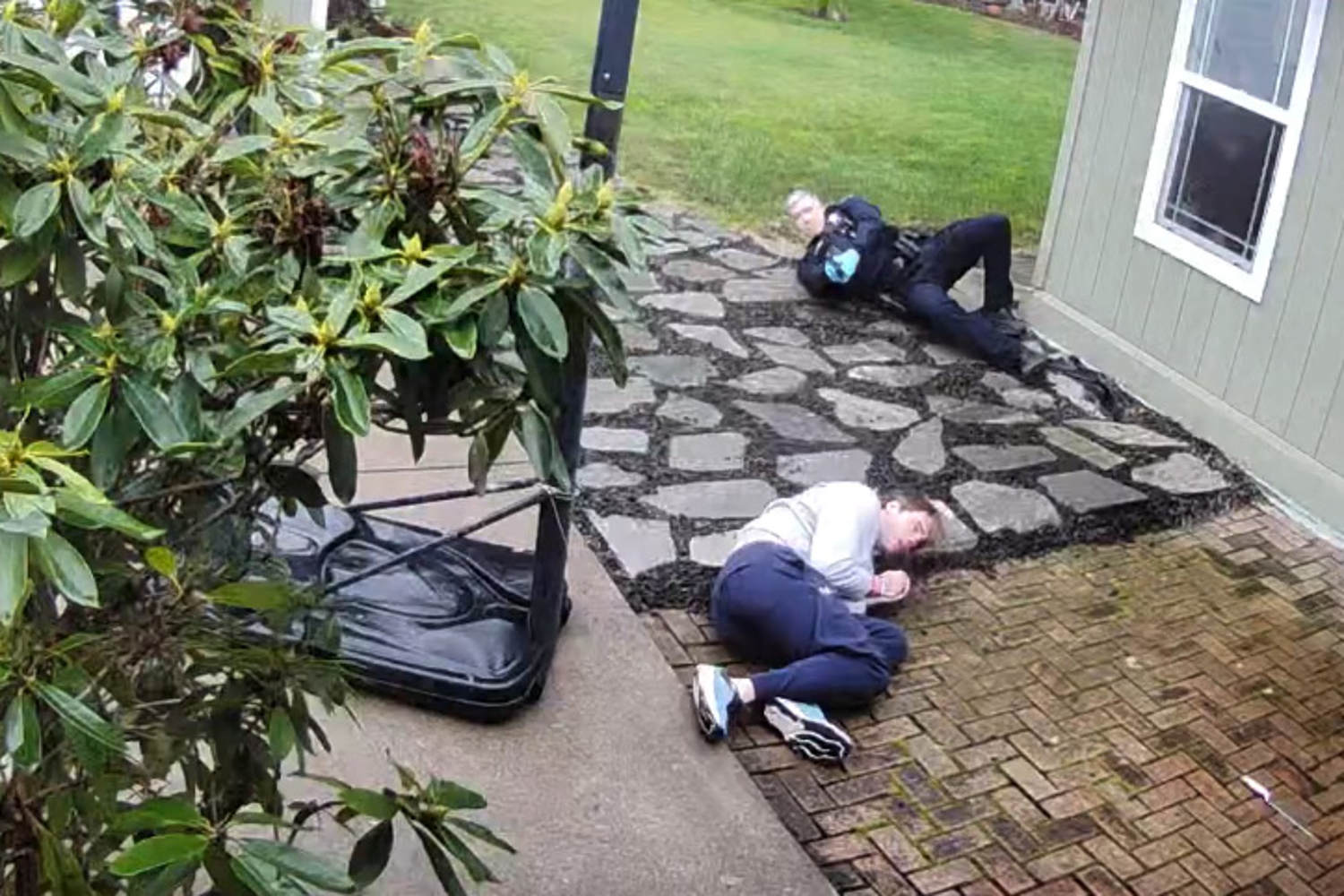
The video appears to show one person on the ground with burning sweatpants, then getting up and colliding with or tackling another person, whose clothing also catches fire. Both try to remove their clothes as people nearby move in to help. Accounts of the footage differ on details: one describes a bystander struggling to use an extinguisher; others describe onlookers stomping out flames or pulling away burning clothing. The available reports do not establish how the fire began, why the two people came into contact, or what happened immediately before the video starts.
The incident appears to have occurred Saturday, November 7, in a neighborhood near campus with fraternity houses. Columbus police say they received no call about it that day. Police learned of the video on Sunday, November 8, after someone reported that it was circulating online. The university and city police are investigating, with Columbus police saying the fire department’s Arson Unit will assist in determining whether a crime occurred. The reports do not identify the two people, say whether they are students, or provide details about their injuries. Nor has the university explained how the chapter was linked to the event. One report says the gathering was associated with the fraternity, while another says it was at a nearby property rather than SAE’s main house; those details have not been independently established in the other accounts.
Ohio State says it suspended the chapter while it investigates and expects student organizations to meet its safety standards. The practical consequence is that SAE cannot hold or take part in activities as a registered student organization during the interim suspension. The national fraternity’s chief executive, Steve Mitchell, said it was investigating and working alongside university administrators and police. He said the organization would decide on next steps once the investigation was complete. Those are commitments, not conclusions about who was responsible or what the evidence will show.
There is relevant history, but it should not be mistaken for proof about this case. Sigma Alpha Epsilon has faced serious incidents at other chapters over the years. A 2013 Bloomberg report counted nine deaths connected to drinking, drugs and hazing from 2006 through 2013, and said more than 100 universities had disciplined the fraternity. In 2014, its national organization ended its pledge system after saying deaths and other incidents were inconsistent with its membership experience. At a University of New Hampshire chapter event in 2022, 46 members were charged with hazing; three were acquitted at trial, and the judge found that the conduct did not meet the state law’s definition because it was not tied to pledging or continued membership. That outcome is a reminder that conduct can look troubling without necessarily meeting a particular legal standard. The Bloomberg report documents the fraternity’s past incidents.
The Ohio State chapter also has a disciplinary history. One account says the university withdrew its recognition for two years in 2001 after violations that included alcohol-policy breaches. The same account says two other campus fraternities faced major disciplinary action this year: Pi Kappa Phi lost recognition for ten years after an investigation found hazing, endangering behavior and alcohol violations, while Kappa Delta Rho lost recognition through May 2030 after findings involving hazing and alcohol. Those cases are separate. They offer context for how seriously the university has recently treated alleged fraternity misconduct, but they say nothing by themselves about what happened in this video. Other coverage has examined how colleges respond to fraternity safety concerns, and fraternity suspensions during misconduct investigations.
There is a fair case for moving quickly: a video depicting people in flames raises an urgent safety concern, and a temporary pause can prevent chapter activities while officials establish what occurred. There is also a fair case for restraint in describing blame. The video is partial, key facts remain unknown, and the university has not publicly explained the chapter’s connection to the event. Treating a suspension as a verdict would get ahead of the process; treating it as unimportant would ignore the apparent danger and the university’s responsibility to investigate.
For my part, the gap between a widely shared video and a verified account is the detail worth keeping in view. The footage is disturbing, but it does not answer the central questions. What comes next is evidence-gathering by the university and police, followed by decisions about any criminal charges or university discipline. Until those findings are available, the clearest account is also the most limited one: two people appear to have been burned, authorities are investigating, and the chapter’s interim suspension is not a final judgment.
Reported by NBC News, The Philadelphia Inquirer, CNN, CBS News, Newsweek, New York Post, Fox News.