What police said after the Kraków gunman died

The Kraków shooting suspect was a 24-year-old man who opened fire in the city’s historic central square on Saturday and died in hospital early Monday, Polish police said. Officers shot him while intervening in the attack; he remained in critical condition and underwent several operations. His death closes one part of the immediate story. It does not answer the questions surrounding a rampage that left six people dead, many injured and a city centre transformed into a scene of grief.
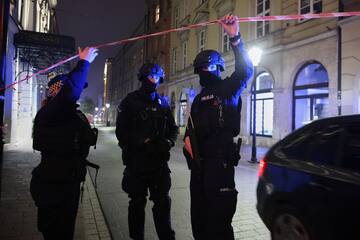
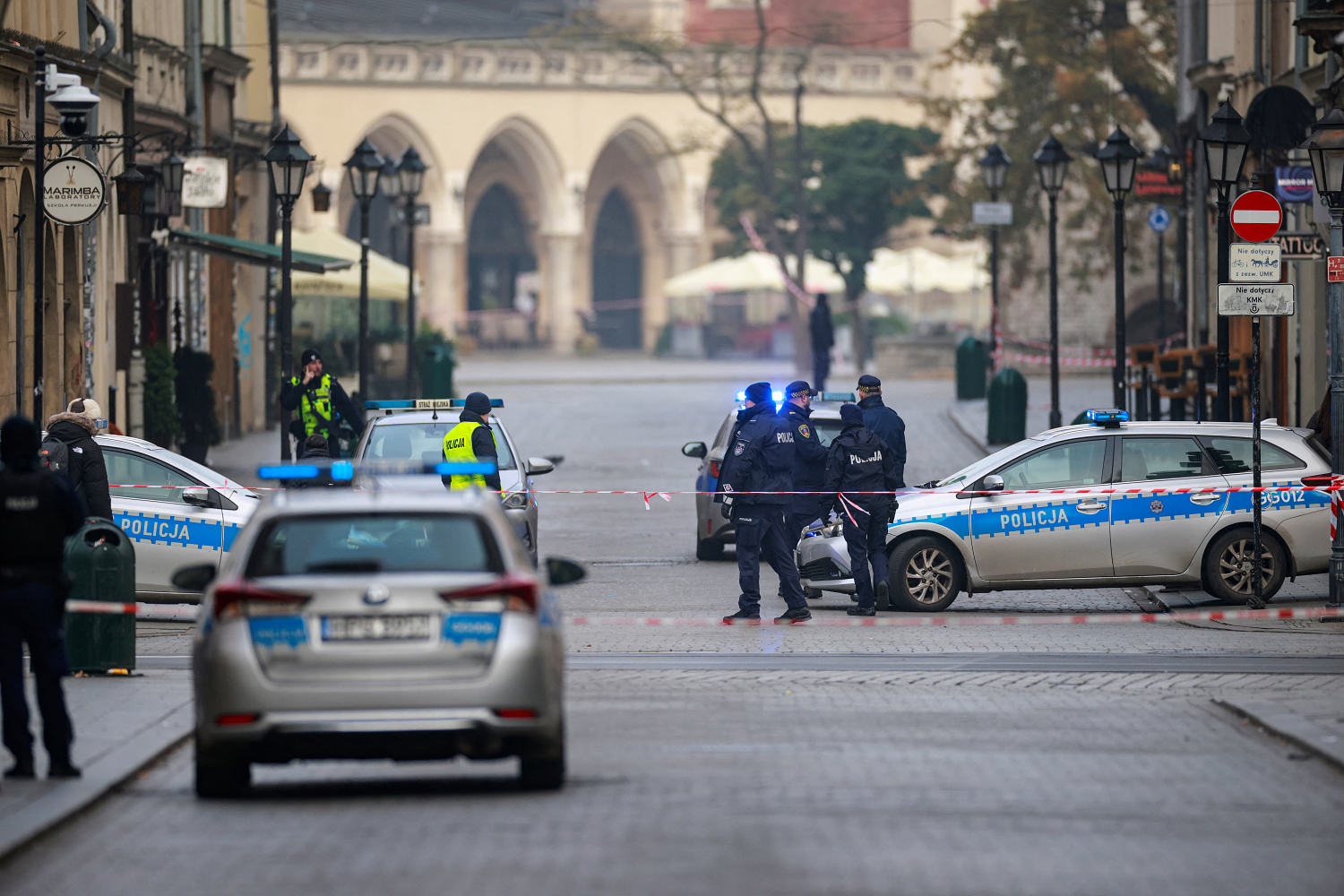
The attack took place in the Main Square, a major tourist destination in the heart of the city’s Old Town. According to the account compiled in the event summary, the gunman fired from a car as he drove through the square. Police shot and apprehended him. The published reports agree on the six fatalities, but not on the number of people wounded: one account says 15, while another says at least 16. The available reporting does not explain the difference, so the precise total remains unsettled here.
Authorities made another grim discovery after the shooting. They found the bodies of the suspect’s mother, father and sister at the family home in Ostrowiec Świętokrzyski, roughly 150 kilometres northeast of Kraków. Police reports said the relatives likely died from gunshot wounds. The material available does not establish when they were killed in relation to the public attack, nor does it provide a motive for those deaths. What it does establish is that the violence reached beyond the square and involved members of the suspect’s family.
Investigators have reportedly assessed that far-right beliefs may have motivated the attack. That is a preliminary description, not a full account of motive. The public reports published so far do not spell out what evidence led investigators to that assessment, or whether it was tied to statements, plans or other material. The distinction matters: a suspected ideological motive is significant, but it should not be mistaken for a complete finding. The report on suspected far-right views reflects the direction of the inquiry, not all the answers it may eventually produce.
People across Poland felt horror at a mass shooting that reports described as rare in the country’s south. The attack prompted national mourning and heightened security. By Sunday night, people were leaving candles and flowers beside bullet holes in the square. One local, visiting the scene, said he wanted to resist being consumed by fear and anxiety. His words offered no explanation for the crime. They described the quieter task facing residents: returning to a public place without allowing the attack to dictate every thought and movement.
The reports also leave some basic details to be reconciled. Several say police shot the suspect and that he later died in hospital; the event summary says police shot and killed him. Those accounts differ in phrasing about the sequence and outcome. The police announcement on Monday says he died in hospital after the attack. There is no need to flatten that discrepancy into a certainty the reporting does not support. The consistent facts are that officers intervened, the suspect suffered critical injuries, and police announced his death the following morning.
A mass shooting can become a second public event when images and recordings spread online. General reference material notes that filmed attacks can circulate rapidly and that livestreaming has, in other cases, helped shooters seek attention or inspired copycats; that is a broader warning, not evidence that anyone livestreamed footage from Kraków or that people widely shared it. The overview of filmed mass shootings makes the point about the risks of distribution. The reports here do not say whether recordings of Saturday’s attack exist, and no conclusion about this case should be drawn from that general history.
Investigators must next establish the sequence of events, clarify the casualty count and explain the suspected ideological motive with evidence. The reports provided do not give a timetable for those findings. Kraków’s public square, meanwhile, has become a place of mourning, as the coverage of the memorial observance reflects. For my part, I find the unresolved difference in the wounded count a reminder to wait for confirmed details. The first duty of reporting is not to make a tragedy sound tidier than it was.
Reported by CNN, ClickOnDetroit WDIV, The Philadelphia Inquirer, Newsweek, ABC News, CBS Los Angeles, NBC News, Fox News, Breitbart, CBS Miami, CBS Chicago, CBS Texas.