G7 Ministers Open Paris Talks Amid Questions Over Trump’s Foreign Policy
Foreign ministers from the United States, Britain, Canada, France, Germany, Italy and Japan opened two days of discussions in Paris on November 9. The agenda includes the wars involving Iran and Ukraine, energy security and artificial intelligence, as well as questions about whether U.S. policy will change after Republicans lost control of Congress in the midterm elections. Protests were also taking place across Europe, including in Paris.
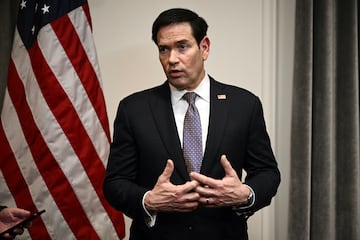
Secretary of State Marco Rubio said the countries understand political divisions in the United States because they have experienced divisions in their own governments. He is making his first overseas trip since the elections. There has been little indication that the result will alter President Donald Trump’s strategy; Trump has named Stephen Miller, a hard-line supporter, as his chief of staff.
Ukraine’s security after the war is a key concern for U.S. allies. Trump has floated working with Europe to end the conflict, while U.S. envoys Steve Witkoff and Jared Kushner are expected to hold meetings with Ukrainian and Russian counterparts in Abu Dhabi during the week of November 9. Rubio said some progress had been made on possible postwar security arrangements, but nothing was settled. German Foreign Minister Johann Wadephul said Europe must be part of a solution and called for restoring the existing security framework.
On Iran, mediators including Qatar have proposed an interim arrangement amid disrupted shipping and rising fuel prices. Rubio said a breakthrough was not imminent and that diplomacy had made little progress because Iran’s demands were unacceptable to the United States. He said Trump still preferred a diplomatic outcome.
The French hosts have indicated the talks are unlikely to end with a joint statement. Other disputes include U.S. pressure on the International Criminal Court, which every G7 country other than the United States has joined. The administration has sanctioned the court and some employees, arguing it is seeking to investigate Americans.
G7 Allies Must Confront Trump’s Unsettling Foreign Policy
The Paris talks put a central question before the United States and its six G7 partners: whether Washington will keep pursuing policies that have strained alliances, even after voters dealt Republicans severe losses. Foreign ministers began two days of discussions on November 9, with Ukraine, Iran, energy and artificial intelligence on the agenda. Protests were taking place across Europe, including in Paris.
Secretary of State Marco Rubio said allies understand political divisions in the United States. But there has been little sign that the election result will change President Donald Trump’s strategy. His appointment of Stephen Miller, a hard-line supporter, as chief of staff reinforces the uncertainty facing partners on foreign policy as well as domestic policy.
For Ukraine, allies are seeking clarity on postwar security. Trump has proposed working with Europe to end Russia’s war, and U.S. envoys Steve Witkoff and Jared Kushner are expected to hold meetings with Ukrainian and Russian counterparts in Abu Dhabi during the week of November 9. Rubio said possible security arrangements had advanced but were not finalized. Germany’s Johann Wadephul said Europe must help shape a solution and called for restoring the existing security framework.
On Iran, Rubio said diplomacy had not been productive because U.S. officials consider Iran’s demands unacceptable, though Trump prefers a diplomatic outcome. Mediators have proposed an interim arrangement as conflict-related instability in key shipping lanes has sent fuel prices soaring.
The administration’s push to dismantle the International Criminal Court is another fault line: every G7 country except the United States belongs to it, and Washington has sanctioned the court and some employees. The French hosts expect no joint statement, underscoring how difficult it is for allies to present a united position amid these disagreements.
Allies Press Rubio as Trump’s Foreign Policy Faces Scrutiny
The G7 talks in Paris put U.S. policy under scrutiny just as Republicans’ midterm losses have renewed questions about President Donald Trump’s next steps. Ministers from the United States and six allied democracies began two days of discussions on November 9, covering Ukraine, Iran, energy security and artificial intelligence. Protests were taking place across Europe, including in the French capital.
Secretary of State Marco Rubio said the allies understand the divisions in American politics. Yet there is little sign that the election result will change Trump’s strategy. Rubio’s first overseas trip since the vote comes as the administration continues to defend its positions on major conflicts and international bodies.
On Iran, Rubio said Trump prefers diplomacy but that negotiations have made little progress because Iran’s demands are unacceptable to the United States. Mediators, including Qatar, have proposed an interim arrangement as instability in shipping lanes has contributed to soaring fuel prices. Rubio expects allies to raise questions about the conflict and what comes next.
Ukraine is also central to the discussions. Trump has floated cooperation with Europe to end Russia’s war, and U.S. envoys Steve Witkoff and Jared Kushner are due to meet Ukrainian and Russian officials in Abu Dhabi. Rubio said work on potential postwar security guarantees had advanced but remained unfinished. Germany’s foreign minister said Europe must be part of the solution.
The administration is also challenging the International Criminal Court, imposing sanctions on the court and some employees over its efforts to investigate Americans. Rubio said allies should press the court to recognize it lacks jurisdiction over citizens of nonmember countries. The French hosts have signaled that the meeting will produce no joint statement, despite the partners’ shared interest in addressing these crises.