Oil Slides as Markets Bet on Iran Peace
Published on November 8, this account comes as oil markets price in the possibility of an end to the Iran war, even while shipping in the Strait of Hormuz remains under threat. Brent crude fell 15% over the week to $99 a barrel, one of its steepest weekly declines in recent memory, as hopes for diplomatic progress grew and sentiment among traders turned bearish.
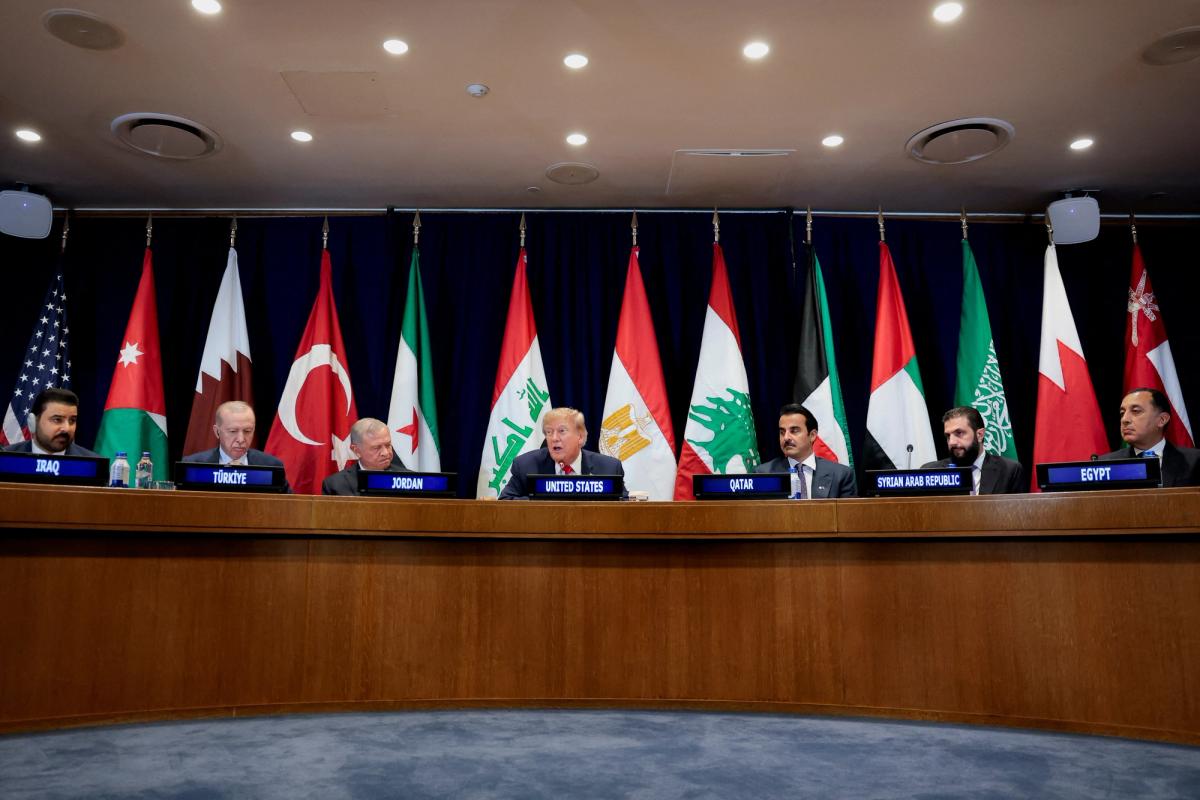
President Donald Trump downplayed the chance of renewed conflict and was due to meet Qatar’s prime minister. Meetings between Chinese and Gulf leaders also added to hopes for diplomacy. But Washington’s position remains a point of tension: Trump’s secretary of state called some Iranian demands “outrageous and ridiculous.” Attacks on ships near Hormuz continued, underscoring the risks to oil supplies.
Saudi Aramco cut December prices for all of its Asian crude grades by $2 a barrel. Its flagship Arab Light was set at a $7 discount to Dubai/Oman, the lowest level since June 2020. The price cuts came as Gulf shipping faced constraints. A political scientist said the risk of conflict was heightened after midterm elections curtailed Trump’s domestic power, potentially making him more active abroad. The attacks and diplomatic signals leave markets balancing hopes for peace against continuing supply threats.
Markets Welcome Diplomacy as Iran War Keeps Oil Risk High
The sharp drop in oil prices reflects the value of diplomacy: Brent fell 15% over the week to $99 a barrel as traders anticipated progress toward ending the Iran war. But the attacks near the Strait of Hormuz show why a peace deal matters to energy supplies and why markets cannot treat the conflict as settled.
President Donald Trump downplayed the prospect of renewed fighting and was due to meet Qatar’s prime minister. Meetings between Chinese and Gulf leaders also raised hopes. Yet the administration’s public stance includes rejection of some Iranian demands, which Secretary of State called “outrageous and ridiculous.” Continued attacks on ships make the stakes of that diplomatic impasse immediate.
Saudi Aramco cut December prices for all Asian grades by $2 a barrel, putting Arab Light at a $7 discount to Dubai/Oman, its lowest level since June 2020. The cuts came amid constraints on Gulf shipping. A political scientist warned of heightened peril after midterm elections curtailed Trump’s domestic power, potentially making him more active abroad. The week’s price slide is not proof that the danger has passed; it is a bet on diplomacy succeeding.
Oil Traders Bet on Peace While Iran Attacks Threaten Supply
Oil traders are pricing in peace before the threat to shipping has gone away. Brent dropped 15% in the week ending November 6 to $99 a barrel, driven by expectations of U.S.-Iran diplomatic progress. But assaults on vessels in waters near the Strait of Hormuz continue to put supplies at risk, making optimism look premature.
President Donald Trump downplayed the prospect of renewed conflict and was due to meet Qatar’s prime minister. Chinese and Gulf leaders also held meetings that offered grounds for hope. At the same time, the secretary of state called some Iranian demands “outrageous and ridiculous.” The gap between diplomatic hopes and continuing attacks remains central to the outlook.
Saudi Aramco cut December prices for every Asian crude grade by $2 a barrel. Arab Light was priced at a $7 discount to Dubai/Oman, the lowest since June 2020, amid Gulf shipping constraints. A political scientist said the risk was heightened after midterm elections curtailed Trump’s domestic power, potentially encouraging greater activity abroad. The price decline signals market expectations, not an end to the conflict or the threat to oil flows.
Reported by Hot Air, Semafor, The Guardian.