Record Tides Flood California Coast as Higher Water Looms
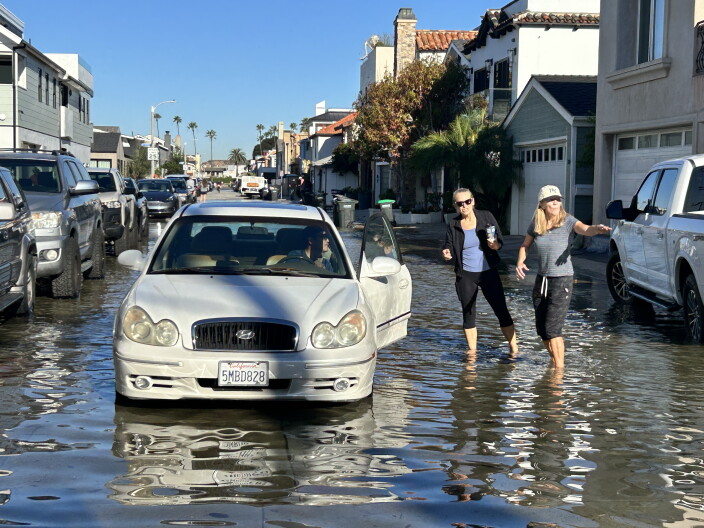
Unusually high tides pushed seawater over shorelines and into coastal neighborhoods in Southern California for a second day on October 27. Flooding affected areas of Los Angeles and Orange counties, including Newport Beach, where water reached streets and homes on the Balboa Peninsula. Parts of Pacific Coast Highway were closed in Huntington Beach and nearby areas as water spilled onto the roadway.
The San Pedro tide gauge registered 8.18 feet on October 27, 2026, its highest level in over 100 years of measurements, after setting a record the day before. Gauges in La Jolla and Santa Barbara also broke records. Newport Beach officials activated pumps and built sand berms, while the city offered sandbags and suspended parking enforcement to help residents move vehicles from flood-prone areas.
Coastal flood warnings and advisories were in place through Thursday afternoon. Officials also restricted boat traffic beneath the Newport Boulevard Bridge during the morning high tide to reduce wakes near homes. Flooding has disrupted train operations: Metrolink’s Orange County service was halted on the route from Laguna Niguel/Mission Viejo to Oceanside, and trains will turn back at Laguna Niguel/Mission Viejo until Friday.
Scientists say seasonal alignment of the sun and moon is contributing to high tides, while warmer-than-usual ocean water and an El Niño-driven mass of warm water are raising sea levels further. The ocean off Southern California is in a prolonged marine heat wave, with temperatures 5 to 9 degrees above average. Scientists attribute the warming to both human-caused climate change and El Niño.
The tides were expected to ease gradually, but forecasters warned that higher tides are likely later in the year, when annual peaks generally occur in late November, December and January. Scientists said the risk of more widespread and deeper coastal flooding could grow, especially if storms arrive as tides rise. Sided is true: the story discusses climate change and its contested public implications. Left and right framings follow.
Record Flooding Shows California’s Climate Risk Is Growing
California’s record tides are already sending seawater into homes and streets, and scientists warn the current flooding may be only an early sign of what coastal communities face this winter. On October 27, water inundated parts of Los Angeles and Orange counties, forcing closures along Pacific Coast Highway and disrupting rail service.
San Pedro’s tide gauge hit 8.18 feet, the highest level since records began there more than a century ago. In Newport Beach, officials deployed pumps and sand berms, offered sandbags and suspended parking enforcement as water threatened low-lying neighborhoods.
The drivers are not limited to the normal seasonal tide cycle. Scientists point to unusually warm ocean water, El Niño and a warm-water wave that can raise sea levels, alongside human-caused climate change. Ocean temperatures off Southern California were 5 to 9 degrees above average.
Warnings remained in place through Thursday afternoon, but scientists said the highest tides typically come later, in late November, December and January. They cautioned that flooding could become deeper and more widespread, especially if storms coincide with the higher tides. Treating climate change as a distant concern ignores the flooding already confronting coastal residents.
El Niño-Driven Tides Flood California as Winter Risks Rise
Record tides pushed seawater into California streets and waterfront neighborhoods on October 27, closing parts of Pacific Coast Highway and prompting local officials to deploy pumps, build sand berms and help residents protect their property. The immediate challenge is preparing communities for high water that forecasters expect to continue through Thursday.
The San Pedro gauge reached a record 8.18 feet. Newport Beach officials suspended parking enforcement so residents could move vehicles from flood-prone areas, and restricted boat traffic beneath a bridge to limit wakes near homes.
Several factors are linked to the high water: the seasonal alignment of the sun and moon, El Niño, and unusually warm ocean conditions. Scientists also cite human-caused climate change as a contributor to ocean warming. Temperatures off Southern California were 5 to 9 degrees above average.
Higher tides usually arrive later, from late November through January, and scientists warn that flooding may worsen, particularly if storms coincide with the peaks. That risk calls for practical preparation based on the range of factors identified, rather than treating a complex ocean event as proof of a single cause or policy answer.
Reported by CBS News, LAist, New York Post, The Boston Globe, ABC News, CBS Los Angeles, The Philadelphia Inquirer, KTVU FOX 2, Los Angeles Times.




