Missile debris damages Aramco building in Riyadh
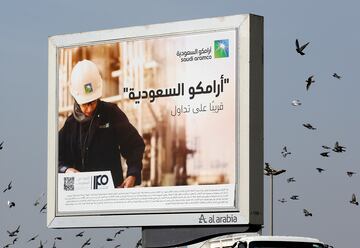
A missile strike or falling debris damaged several floors of an Aramco-owned building in Riyadh’s King Abdullah Financial District on November 8, following an advance alert from Saudi Civil Defense about a possible threat. Witnesses described a loud explosion, and video showed damage to the building’s upper levels and exterior glass.
Saudi authorities said Saudi defenses brought down two ballistic missiles along with two cruise missiles aimed at Riyadh and other parts of the kingdom. The Saudi-led coalition blamed the Houthis for launching the ballistic missiles. Saudi officials described the Aramco site as the target of an attempted attack and said debris caused minor damage. No deaths or injuries were reported.
The Houthis had not claimed responsibility. The group has launched missiles and drones toward Saudi targets in recent months, and has said it would keep doing so while Saudi Arabia conducts airstrikes in Yemen and maintains a blockade.
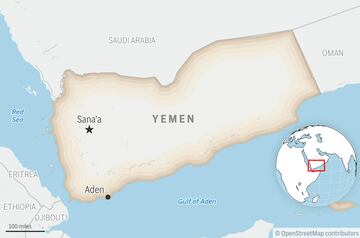
The latest attack followed Saudi airstrikes near Sanaa on November 7. Yemen’s Houthi-run health ministry said at least 33 people were killed; another account citing Houthi officials put the toll at 27. Saudi Arabia’s southern region, which borders Yemen, has also faced repeated Houthi attacks. The coalition said it intercepted another ballistic missile aimed at that region overnight.
Riyadh Strike Shows Cost of Escalating Yemen War
A missile attack on Riyadh damaged an Aramco building on November 8, underscoring how the Saudi-led campaign and the Houthi response are bringing the war’s risks into the kingdom’s capital. Debris damaged multiple floors in the King Abdullah Financial District; Saudi officials said there were no casualties.
Saudi forces brought down two ballistic missiles as well as two cruise missiles, according to the coalition. It accused the Houthis of firing the ballistic missiles, although the group had not claimed responsibility. The Houthis say they will continue attacks while Saudi Arabia carries out strikes in Yemen and maintains a blockade.
The exchange followed Saudi airstrikes near Sanaa on November 7. Yemen’s Houthi-run health ministry said at least 33 people died, while another account citing Houthi officials gave a toll of 27. The reports place the Riyadh attack amid a cycle of strikes and retaliation, with civilians facing the consequences on both sides.
Saudi authorities said debris caused only minor damage and reported no injuries or deaths. The coalition also said it intercepted a ballistic missile aimed at the kingdom’s southern region, which borders Yemen. The attacks show the mounting danger of relying on military escalation to contain the conflict.
Houthi Missile Threat Reaches Riyadh’s Financial District
Missiles aimed at Riyadh and other Saudi regions were intercepted on November 8, but debris still damaged an Aramco building in the capital’s financial district. The incident highlights the continuing threat posed by Houthi attacks to Saudi cities and critical economic sites.
The Saudi-led coalition said it stopped two ballistic missiles and two cruise missiles, and accused the Houthis of launching the ballistic weapons. Saudi officials reported no casualties and described the damage to the Aramco building as minor. The Houthis had not claimed responsibility for this attack, though they have targeted Saudi Arabia in recent months.
The group has said it will keep firing missiles and drones as long as Saudi Arabia strikes areas of Yemen it controls and enforces a blockade. That posture leaves Saudi communities exposed to further attacks. The coalition also reported intercepting a ballistic missile headed toward the kingdom’s southern region, which borders Yemen.
The latest exchange came after Saudi airstrikes near Sanaa on November 7. Houthi authorities said those strikes killed at least 27 people in one account and 33 in another. The competing attacks underline the security challenge facing Saudi Arabia as it seeks to defend its cities from missiles while the conflict continues.