Justice Department Drops California Ballot Lawsuit
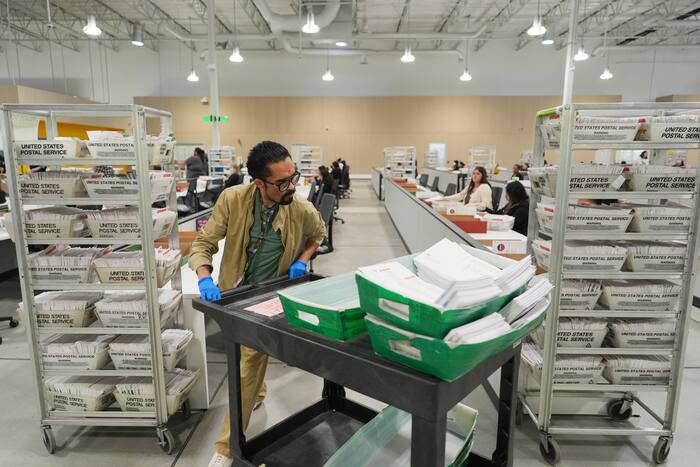
The Justice Department has dropped its effort to make California segregate mail ballots linked to about 20,000 people the department described as likely noncitizens. On November 6, it filed a notice voluntarily ending the case before a Los Angeles federal court, while the state continued counting ballots in major races.
The department had sought to keep the ballots apart until state officials could verify voters’ citizenship. It argued that a lawful vote being offset by an unlawful one would cause harm that could not be repaired, and said action was needed around Election Day on November 3.
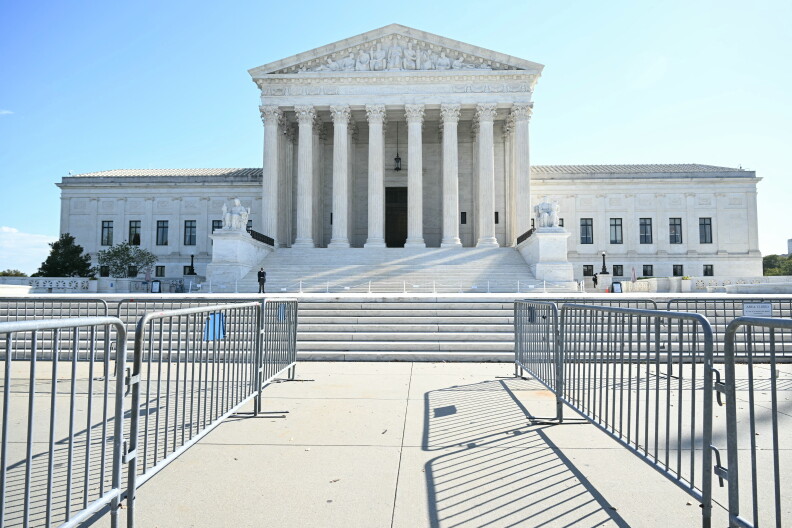
A federal judge denied the department’s emergency request and scheduled a hearing on a preliminary injunction for November 13. The department appealed through the Ninth Circuit and the Supreme Court, which rejected its request for an injunction pending appeal on November 2.
In its dismissal notice, the department said that by the scheduled hearing, California would have combined the ballots in question with other ballots, making it impossible to separate them. It said the requested relief was therefore no longer available and that the case should be dismissed. The notice said no answer or motion for summary judgment had been filed.
The department said it was considering how to protect American votes, including by preventing noncitizens from diluting votes. The case’s dismissal ends this attempt to have California set aside the ballots.
Justice Department Abandons Bid to Set Aside California Ballots
The Justice Department has abandoned its attempt to make California set aside mail ballots connected to about 20,000 people it characterized as likely noncitizens. The filing, made in federal court in Los Angeles on November 6, came as the state continued counting ballots in major races.
The department wanted the ballots held apart until officials could confirm voters’ citizenship. But a federal judge denied its emergency application, and the Ninth Circuit and Supreme Court also rejected requests for relief. The Supreme Court turned down the department’s bid for an injunction pending appeal on November 2.
The department said a November 13 hearing would come too late because California would by then have combined the challenged ballots with other ballots. It argued that the ballots could no longer be separated and asked to dismiss the case.
That sequence left the department’s effort to block or isolate ballots without the court-ordered safeguard it sought. Its notice says it is still considering ways to protect votes from dilution by noncitizens, but this lawsuit is over.
Court Delays Leave DOJ Unable to Separate Challenged Ballots
The Justice Department says it can no longer obtain the limited ballot safeguard it sought in California, and has dismissed its lawsuit. The November 6 filing in Los Angeles followed the department’s failed effort to have ballots associated with about 20,000 people it called likely noncitizens kept apart pending citizenship checks.
The department argued that each lawful vote offset by an unlawful one would cause irreparable harm, and that action was needed around November 3’s Election Day. But a federal judge denied emergency relief and set a preliminary injunction hearing for November 13. The Ninth Circuit rejected the department’s requests, and the Supreme Court denied an injunction pending appeal on November 2.
The department said the later hearing would come after California had merged the questioned ballots into the valid-vote pool, making later identification impossible. It concluded that the relief was no longer available and sought dismissal; the notice reported that neither a response nor a request for judgment without trial had been submitted.
The department says it is evaluating other ways to protect votes, including preventing dilution by noncitizens. Its account places the immediate obstacle in the timing of court review: the requested decision would come after the ballots could no longer be isolated.
Reported by The Philadelphia Inquirer, Los Angeles Times, Raw Story, CBS News.