California Marks Exide Cleanup Milestone as Soil Concerns Persist
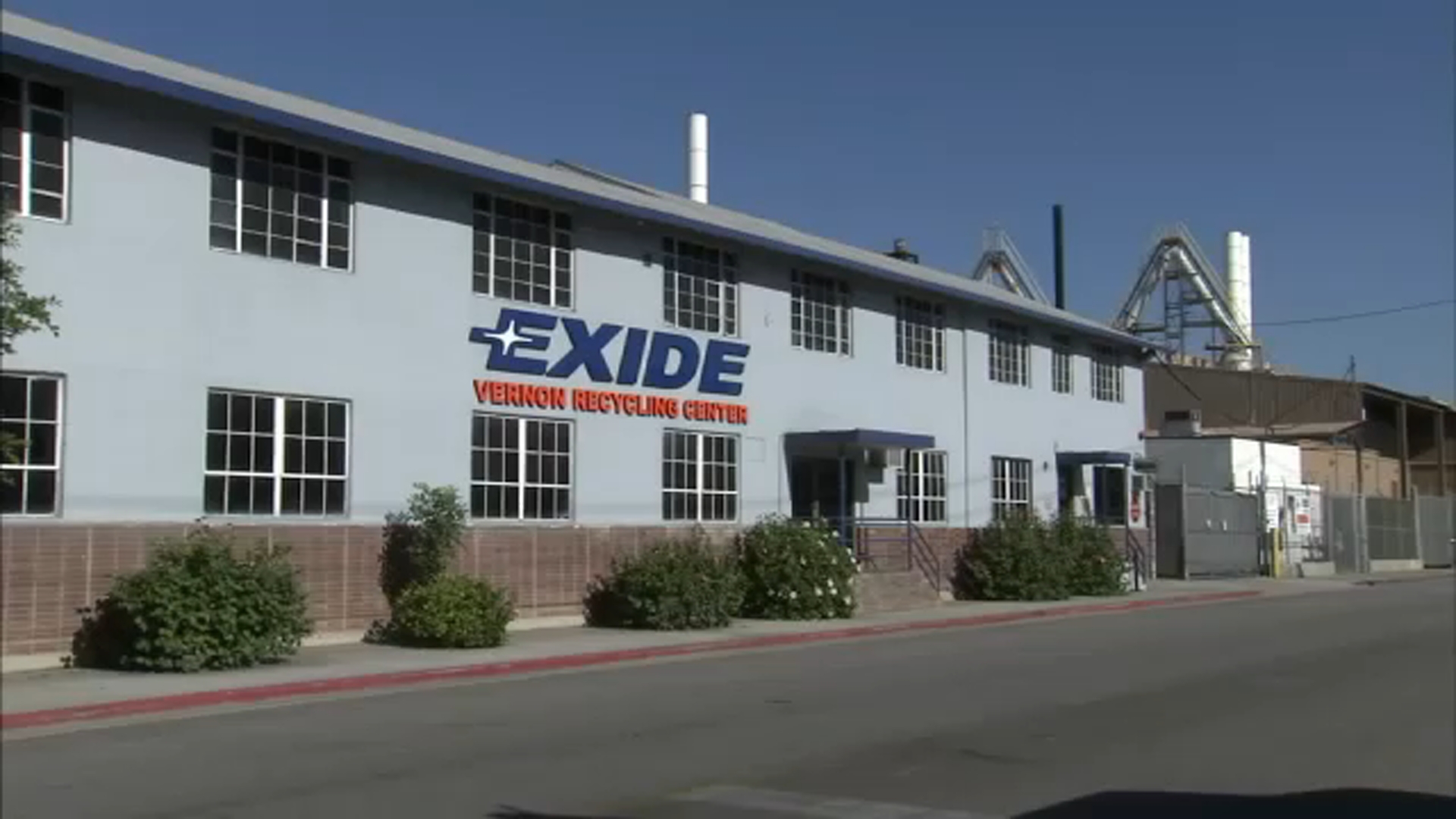
Nearly 6,500 homes in Southeast Los Angeles have had lead-contaminated soil cleaned up, California Gov. Gavin Newsom announced on November 6. The work addresses pollution linked to Exide’s old battery-recycling facility in Vernon, which contaminated residential areas around it for decades before closing in 2015.
The completed homes represent about 80% of the roughly 8,000 eligible properties whose owners allowed access. About 1,500 homes are still awaiting cleanup. The state says it has likewise completed project work at 12 schools, 68 child care centers and five parks, as well as more than 7,800 areas along streets and sidewalks.
California has spent more than $700 million on the cleanup. The work began about a decade ago after testing found elevated lead levels in nearby residential soil. When Exide filed for bankruptcy in 2020, California was left to handle much of the cleanup.
Questions remain about whether some cleaned properties meet the state’s residential soil standard. Testing at homes treated earlier in the effort found lead above that standard in individual samples at more than a dozen properties. Some samples came from deeper or difficult-to-reach locations, including areas near tree roots, utility lines or structures. State officials told homeowners that clean soil and landscaping materials had been placed over those areas to prevent contact.
An environmental health group’s executive director said the results indicate additional work may be needed at some homes and urged attention beyond the 1.7-mile cleanup zone. Residents have also voiced frustration over repeated environmental problems in the area. The state says the cleanup is continuing.
Exide Cleanup Shows Progress, but California Must Finish the Job
Nearly 6,500 homes near the former Exide battery plant in Vernon have had contaminated soil cleaned up, California announced on November 6. The milestone matters for Southeast Los Angeles communities that endured decades of lead pollution, but it is not a reason to declare the problem solved.
The state says the completed homes make up about 80% of the roughly 8,000 eligible properties whose owners granted access. Cleanup is also complete at 12 schools, 68 child care centers and five parks, along with more than 7,800 roadside and sidewalk areas. About 1,500 homes remain in the queue.
More than $700 million in public money has gone toward the effort, after Exide’s 2020 bankruptcy left California responsible for much of the work. Yet soil testing at some homes treated earlier found lead above the state’s residential standard in individual samples at more than a dozen properties. Some were in hard-to-reach areas, and officials said clean soil and landscaping material had been placed over them to prevent contact.
That may reduce exposure, but the findings warrant scrutiny and, where needed, further remediation. An environmental health group’s executive director said additional work may be necessary and called for attention beyond the 1.7-mile cleanup zone. Residents who have lived with the consequences of pollution deserve a cleanup that meets the state’s own standard, not just a headline milestone. California says work is ongoing.
California’s Exide Cleanup Has Reached Thousands of Homes
California has completed cleanup work at nearly 6,500 homes near Exide’s old battery-recycling facility in Vernon, Gov. Gavin Newsom announced on November 6. The effort has also covered every school, child care center and park included in the project, as well as thousands of street and sidewalk areas.
The state says the homes represent roughly 80% of eligible properties whose owners allowed crews access. About 1,500 homes remain. California has spent more than $700 million on the work, which followed the discovery of elevated lead levels in residential soil. Exide closed in 2015, and the company’s 2020 bankruptcy left California to shoulder much of the cleanup.
The progress is substantial, even as soil tests have found lead above the state’s residential standard in samples from more than a dozen homes treated earlier. Some samples were taken from deep or obstructed areas, including near tree roots, utility lines and buildings. Officials told homeowners clean soil and landscaping materials were placed over those locations to prevent contact.
An environmental health group’s executive director said some properties may need more work and called for attention outside the 1.7-mile cleanup zone. Those concerns merit follow-up, but they do not erase the scale of work already completed or the state’s ongoing commitment to finish the remaining properties. California says the effort continues.
Reported by ABC7 Los Angeles, Los Angeles Times.


